German Chancellor Friedrich Merz touched down in Kyiv at dawn on Sunday, 4 October 2026, as air‑raid sirens rattled the capital. The visit followed a night of Russian attack that saw 135 drones, including 52 jet‑powered models, descend on the city.
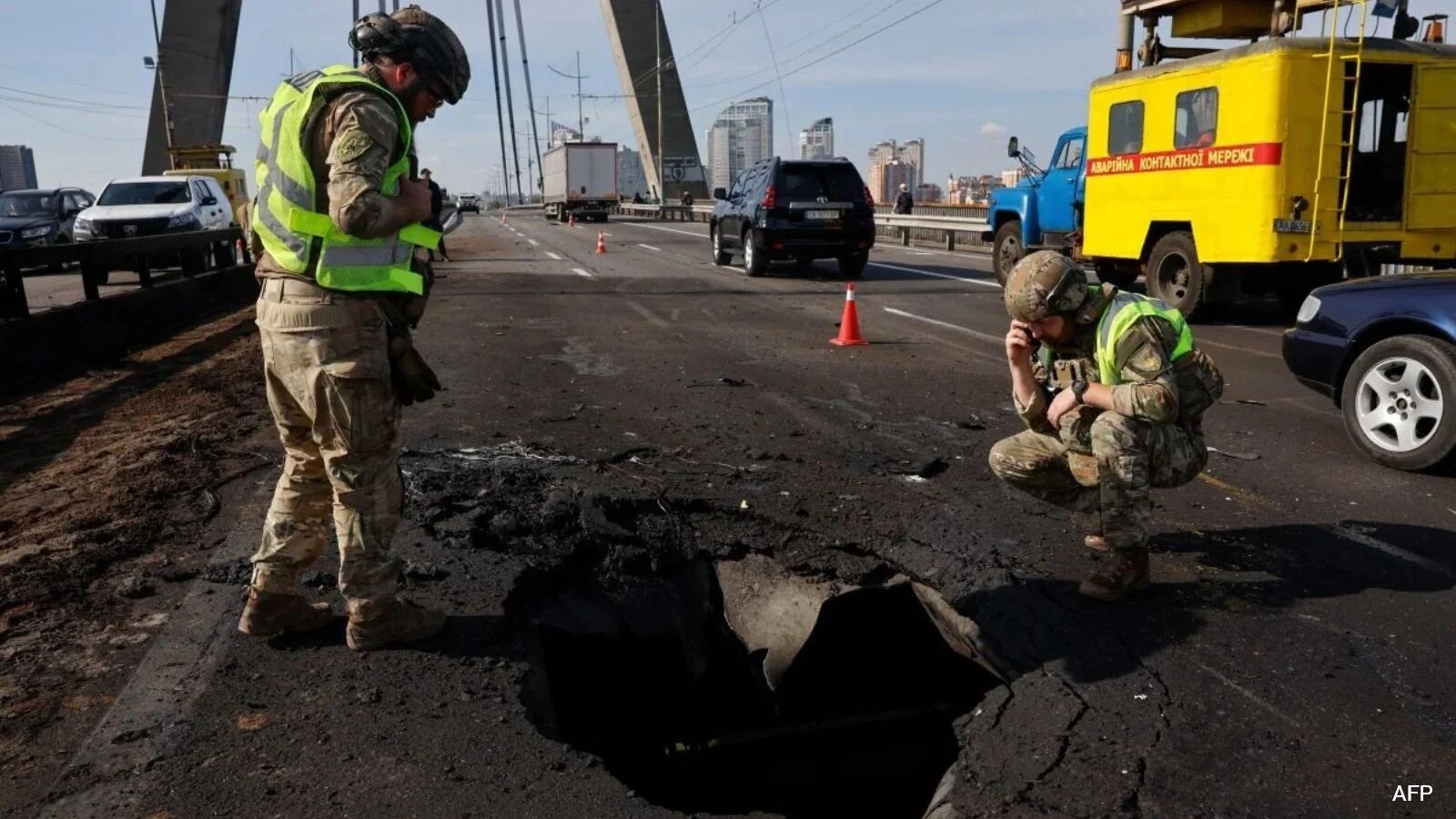
The Pivnichnyi Bridge, a vital artery across the Dnipro, was hit by a drone, shattering its road surface and halting east‑west traffic. In Sumy, a pharmaceutical warehouse exploded, killing one worker and injuring two, while a communications hub in Dnipro suffered damage that left six people wounded. President Volodymyr Zelensky posted a video of the wreckage and confirmed the toll, saying the attacks were a deliberate attempt to disrupt daily life.
During a brief press conference, Merz declared a €1.3‑billion aid package for Ukraine, citing the need for “immediate and decisive support.” He warned that if Russia’s campaign does not stop, the war machine could turn against Europe, and promised that Germany would accelerate defence cooperation across the bloc.
Zelensky, standing beside Merz, thanked the German leader for the “unwavering support” and called for a coordinated European response. Kyiv Mayor Vitali Klitschko added that the bridge damage would cost the city weeks of repair and that power outages were already affecting several districts.
The next step will be a European Union summit on 9 October, where member states are expected to discuss the aid package and a potential joint defence initiative, with Germany slated to lead the negotiations.