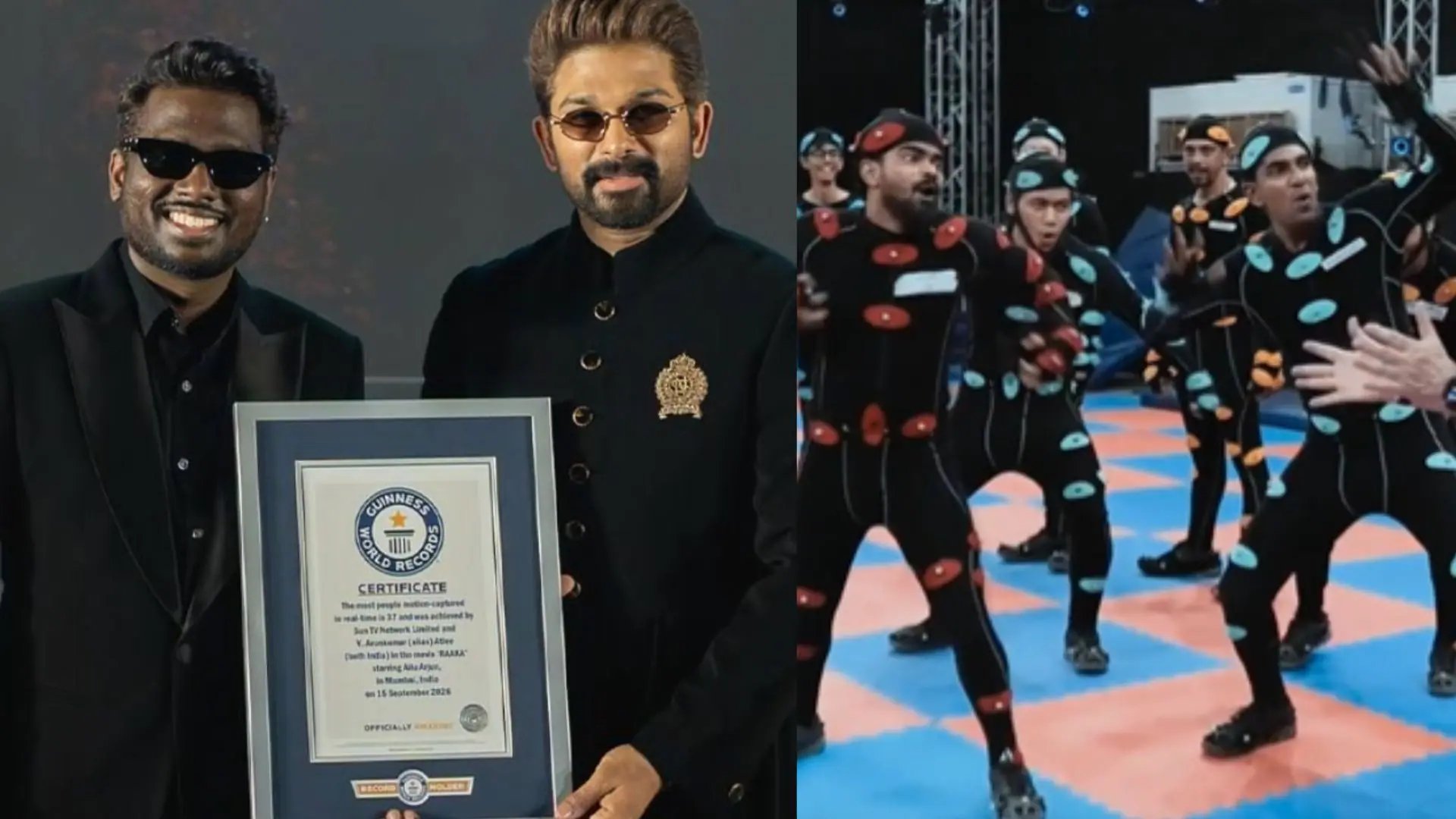
The sheer hum of 92 optical cameras reverberated across a makeshift studio that looked more like a space‑shuttle than a set. Sun Pictures’ engineers had to calibrate each sensor, sync them over a high‑speed network, and keep the frame rate crisp enough to catch a child's giggle and a grandparent's sigh at the same time.
Mocap, the tech that turns real bodies into digital avatars, is usually a one‑off dance for a handful of actors. For Raaka, the team turned it into a full‑on orchestra, layering 37 distinct performances without a single overlap. As Brian Rausch, the motion‑capture director, explained, "It's not a magic button; it's a symphony of precision."
The cast spanned from a four‑year‑old who danced in a sari to a seventy‑year‑old veteran who steadied the camera. Each movement had to be tagged separately, meaning the system had to distinguish a child's leap from an elder's stooped stride in real time. The result was a choreography of pixels that felt as organic as a live theatre.
Allu Arjun, who will later play four roles in the film, said the record was "a testament to execution over ambition." He added that the team’s willingness to import gear from Los Angeles and build an in‑house studio was a bold move that paid off. "We didn't just want to set a record; we wanted to raise the bar for Indian VFX," he told reporters.
With this milestone, Raaka positions Sun Pictures as a serious contender on the global stage, proving that Indian cinema can match Hollywood’s technical heft. It also opens the door for future projects that could blend large‑scale mocap with story‑driven drama, hinting at a new era where Indian filmmakers routinely compete in the same arena as Hollywood's visual effects giants.