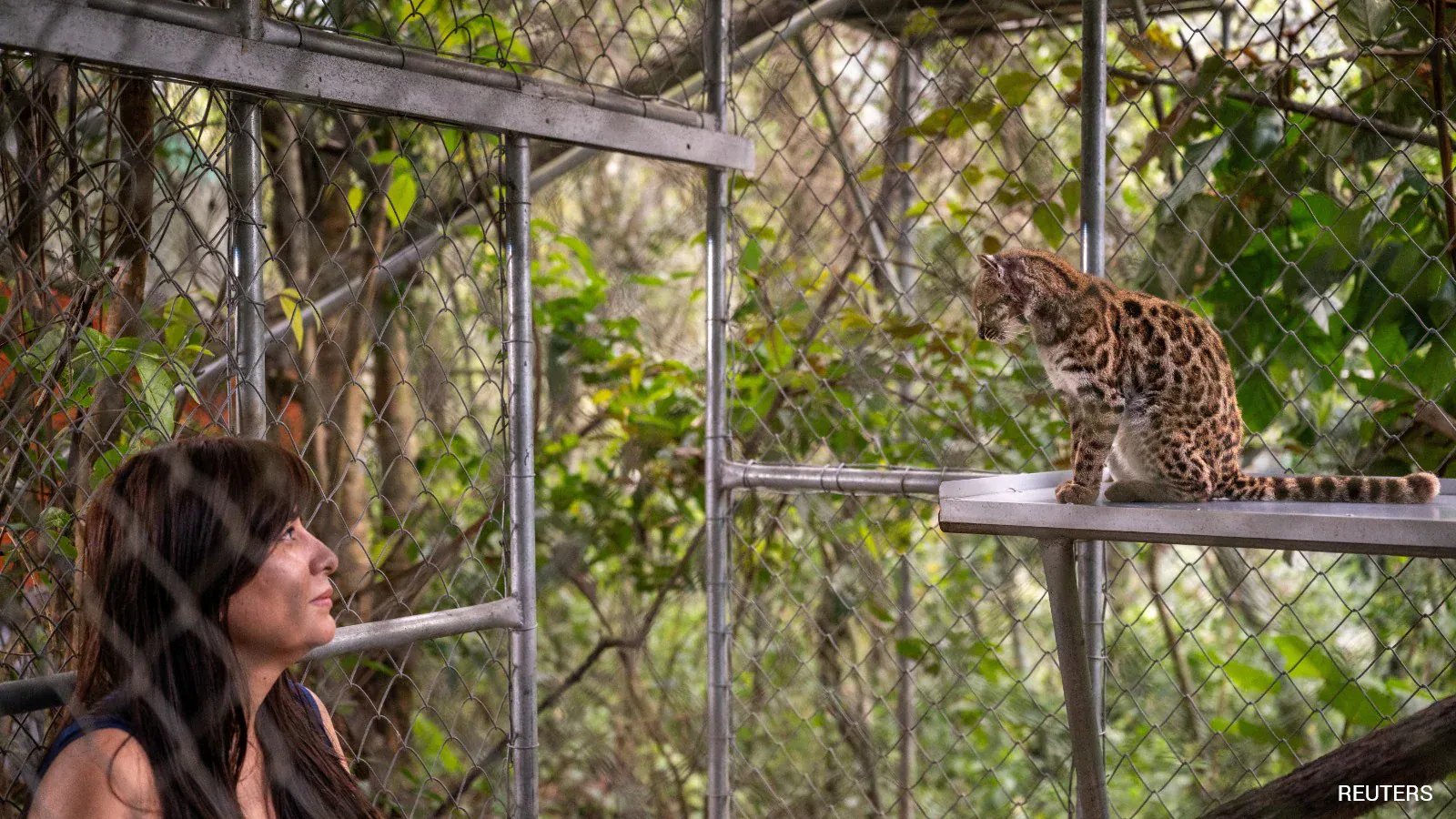
Scientists led by Paola Nogales‑Ascarrunz have named a previously unrecognized wild cat species, Leopardus tilcayo, after genetic analysis of a small, spotted feline kept at a sanctuary in Bolivia’s Yungas region. The animal, only 18 inches long and weighing 3 pounds, was first noticed by a local family who struggled to keep it as a pet.
The team compared DNA from more than 30 cats across South America, finding that the Yungas specimen split from its relatives about 1.4 million years ago. This makes it the first new living wild cat named in a century, following Uruguay’s pampas cat in 1923.
Genetic work also clarified that what was once lumped into a single “tiger cat” group actually contains at least five distinct species, four of which had already been described. “Even well‑studied groups still hide diversity,” said co‑author Jonas Lescroart of the University of Antwerp.
The discovery comes from a humble beginning: a local family found the tiny feline in the forest, and the sanctuary’s volunteer work led researchers to its DNA. The cat’s light brown coat, speckled with dark leopard‑like spots, made it especially intriguing to biologists.
Conservationists argue the new species’ protection is urgent, as its Yungas forest faces rapid deforestation and expanding gold‑mining operations. Scientists plan to map its full range and study its diet and habits before formal protective measures are drafted.