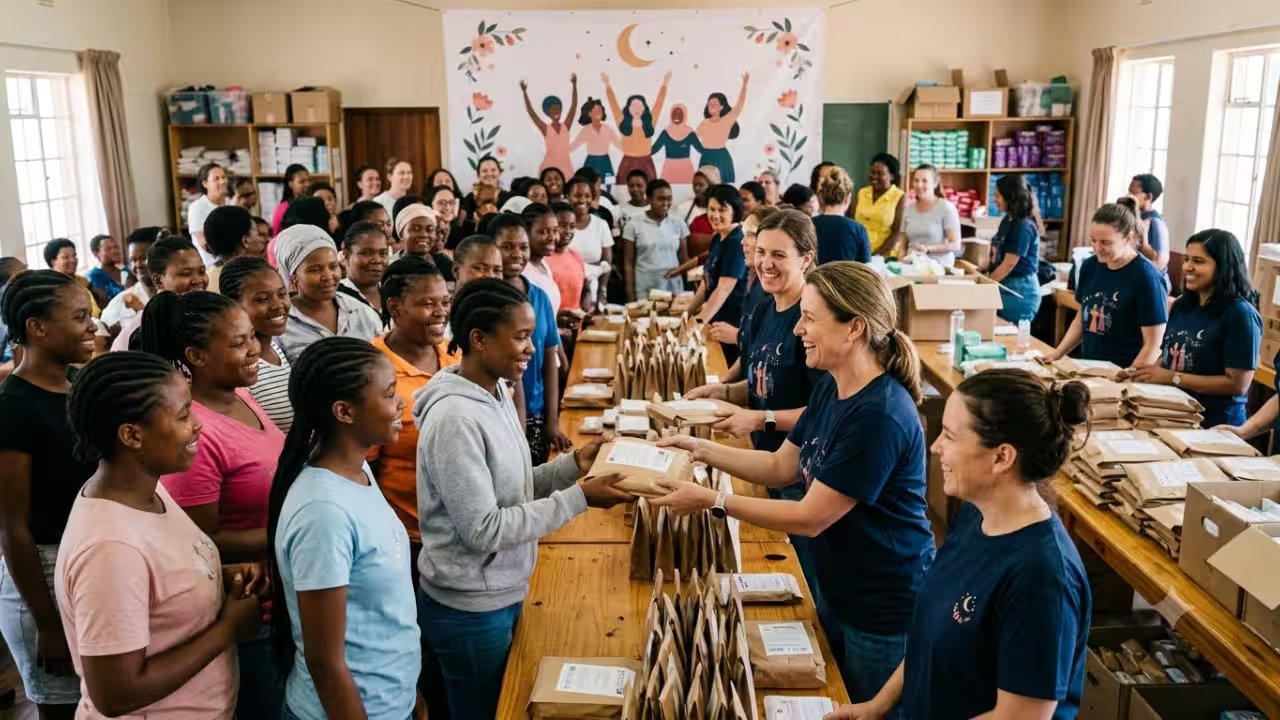
Barbara Morgan started collecting pads in 2017 because food stamps didn't cover them. It was a simple gap in the safety net. For someone choosing between rent and hygiene, the math is brutal.
Eight years later, that small pile of donations has become a logistics machine. Project Dignity now serves ten counties in Western North Carolina. The scale is undeniable: nearly 1,900 women and girls receive supplies every single month.
The distribution network is the real story here. The nonprofit doesn't just hand out boxes; it embeds itself into existing infrastructure. More than 148 schools and 59 social service agencies act as distribution points. This means a student in Hendersonville or a woman in a domestic violence shelter can access products without leaving their daily routine.
Why does this matter? Because period poverty is recurring. It’s not a one-time expense. It’s a monthly drain on a budget that’s already stretched thin. Missing school or work because you don’t have a pad is a preventable disruption. The organization turns what could be a crisis into a routine supply of dignity.
For readers interested in similar community health initiatives, the takeaway is clear: targeted, non-food relief is just as vital as food assistance. If you’re in Western North Carolina, local social service agencies are the primary points of access for these supplies.