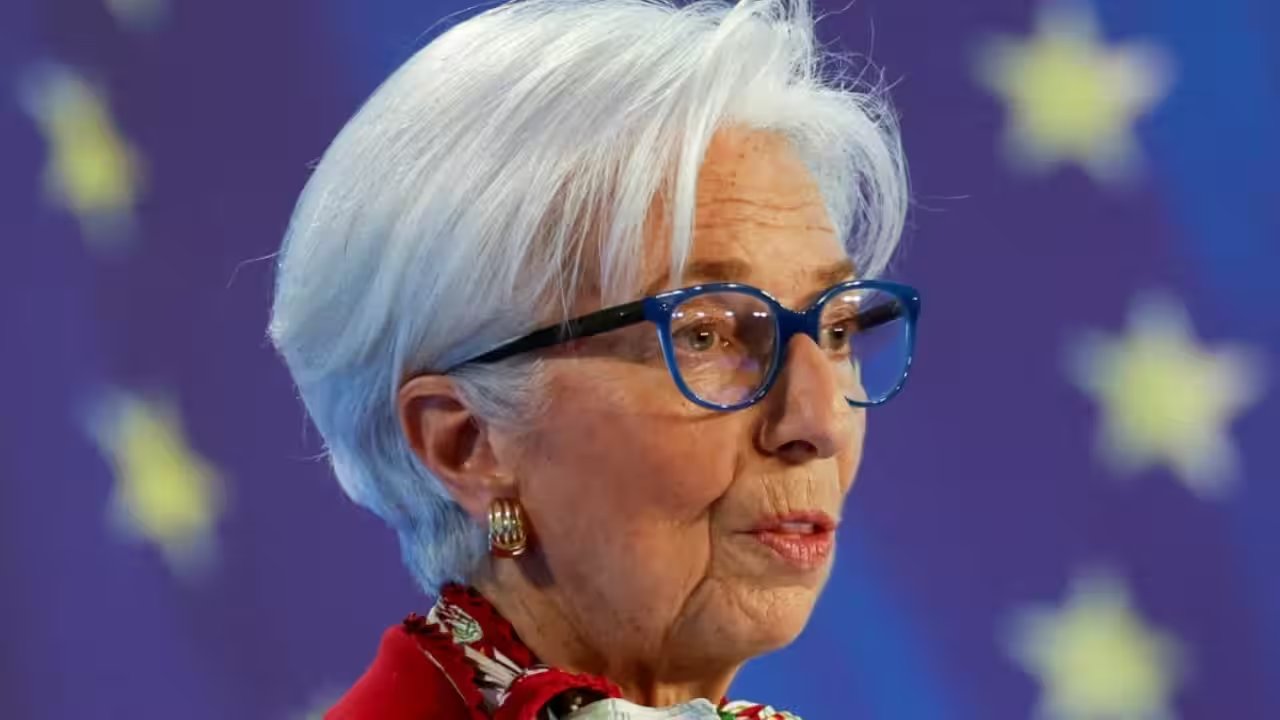
Christine Lagarde will hand over the ECB presidency in February, cutting her mandate short by nine months. She cited an inability to remain neutral while speaking out on issues beyond monetary policy. This is a strategic exit, not a resignation in protest.
The timing is deliberate. By vacating the seat early, Lagarde allows European leaders to conclude the appointment process before France’s presidential election heats up. She has effectively cleared the path for a successor who can operate without the baggage of her impending political ambitions.
European Council President Antonio Costa confirmed the selection process starts immediately. The frontrunners for the role are Klaas Knot, former head of the Dutch central bank, and Pablo Hernandez de Cos, who leads the Bank for International Settlements. Both are seen as safe, technocratic choices to maintain stability during a turbulent political cycle.
Lagarde’s departure marks a significant shift in EU institutional dynamics. While she remains a dominant figure in French politics, her removal from the ECB’s top spot forces a rapid realignment of financial leadership just as Europe faces economic headwinds. The next few weeks will determine whether the ECB retains its political insulation or becomes a battleground for pre-election maneuvering.