VIENNA — Iran has shut the door on restarting nuclear inspections, telling the International Atomic Energy Agency that talks cannot proceed while Washington threatens fresh military strikes against Iranian atomic infrastructure.
Legal monitors remain locked out. The Islamic Republic warned in an official diplomatic note that normal safeguards will stay frozen until foreign military threats disappear and structural security conditions return. Tehran pointed directly to repeated, public warnings from the President of the United States pledging renewed armed force against Iranian territory.
The diplomatic standoff paralyzes international oversight at a dangerous juncture. American and Israeli aerial campaigns—including a 12-day blitz in June 2025 and a massive wave of strikes on February 28 that killed Supreme Leader Ayatollah Ali Khamenei—battered Iranian facilities and severed routine verification protocols. United Nations inspectors have been unable to measure bomb damage, tally physical inventory, or verify the location of refined material across multiple sensitive compounds.
The root causes of the present situation must be addressed and the essential requirements for normal safeguards implementation restored before talks advance.
Iranian Diplomatic Mission to the IAEA, Official Communication
Urgency inside the agency is mounting. Tehran holds an unmonitored stockpile of 440.9 kilograms—roughly 972 pounds—of uranium enriched to 60% fissile purity. That concentration sits well above civilian energy thresholds and rests just technical inches away from 90% weapons-grade material. Agency rules mandate monthly verification for stockpiles enriched to that scale, but inspectors have not laid eyes on the canisters for months.
Last year, IAEA Director General Rafael Grossi cautioned that an unverified hoard of this magnitude could yield sufficient fissile fuel for as many as 10 nuclear bombs if Iran opted to weaponize its program. Tehran insists its nuclear ambitions remain entirely peaceful. Yet the agency and Western intelligence agencies determined years ago that Iran conducted a structured nuclear weapons development project until 2003.
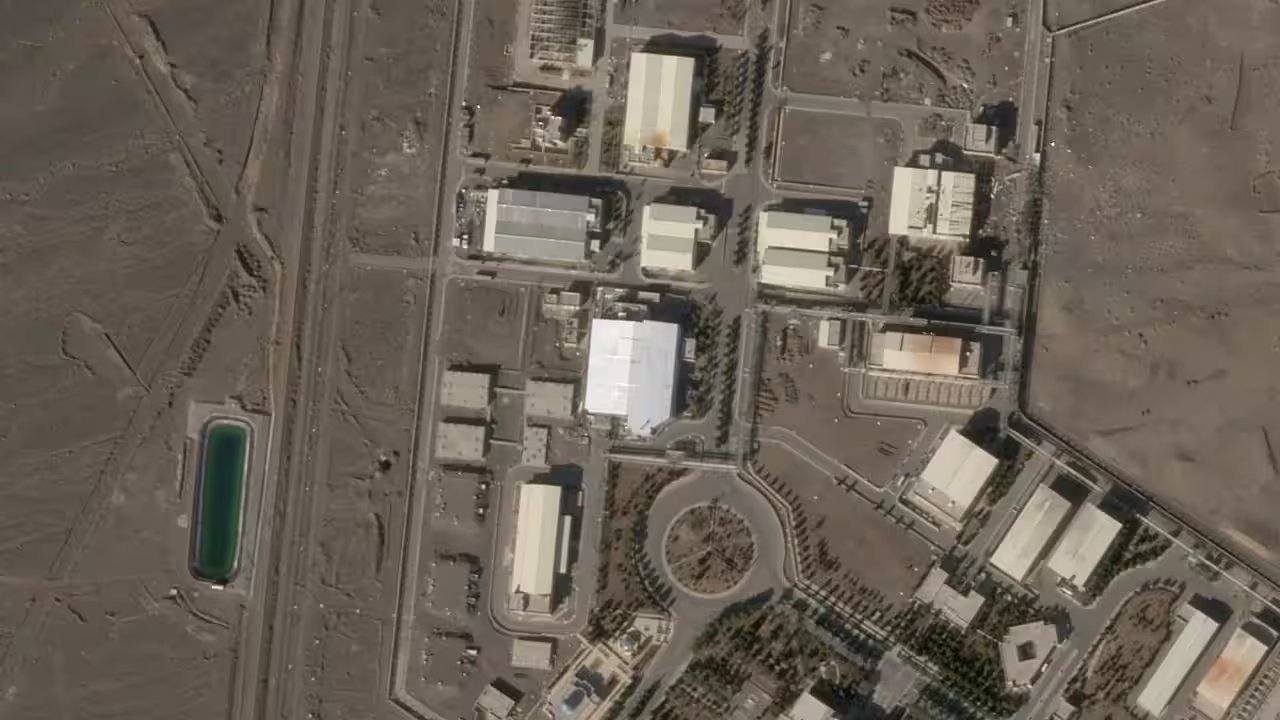
A critical agency blind spot centers on the Isfahan Fuel Enrichment Plant. Iran disclosed the existence of the subterranean installation to the IAEA in June 2025, moments before American and Israeli aircraft unleashed their opening bombardment. Inspectors stood ready to enter the complex on the exact morning bombs began falling, forcing an immediate cancellation. Today, the agency confirms it does not know the facility's exact physical coordinates or whether fissile material sits inside its tunnels.
| Nuclear Facility & Inventory Parameter | Official Status / Metric |
|---|---|
| 60% Enriched Uranium Inventory | 440.9 kg (972 lbs) — Capable of 10 warheads if weaponized |
| Required IAEA Verification Cadence | Every 30 days (Currently suspended) |
| Bushehr Nuclear Power Plant | Inspected September 12–15; operational on 4.5% Russian fuel |
| Isfahan Fuel Enrichment Plant | Unverified; coordinates and material status unknown |
| Last Comprehensive Site Access | June 2025 (Prior to 12-day military strikes) |
| US Information Bounty | Up to $20 million offered for nuclear intelligence |
Only one civilian facility has admitted foreign technical teams since the June 2025 bombardment. Monitors secured limited access to the Russian-built Bushehr nuclear power plant between September 12 and September 15. The commercial reactor operates exclusively on Russian-supplied fuel enriched to 4.5%, a baseline strictly suited for civilian electricity production and far below weapons threshold. Every other declared nuclear site across the country remains dark to outside verification.
Frictions escalated further after Washington posted a $20 million financial reward seeking covert intelligence on Iran's nuclear apparatus. Tehran fired off a formal protest to the IAEA, demanding the agency guard its operational data and prevent confidential site blueprints from leaking into foreign military hands. Tehran argued that such bounties compromise the neutrality of international safeguards.
Tehran insists it will honor statutory safeguards obligations once outside military threats abate. But the agency warned member capitals on Friday that the total information blackout represents a critical proliferation crisis requiring immediate remediation. The IAEA stated it remains on standby to deploy technical inspection teams on short notice, urging Iranian authorities to greenlight gradual verification protocols before regional hostilities trigger another round of preemptive military action.