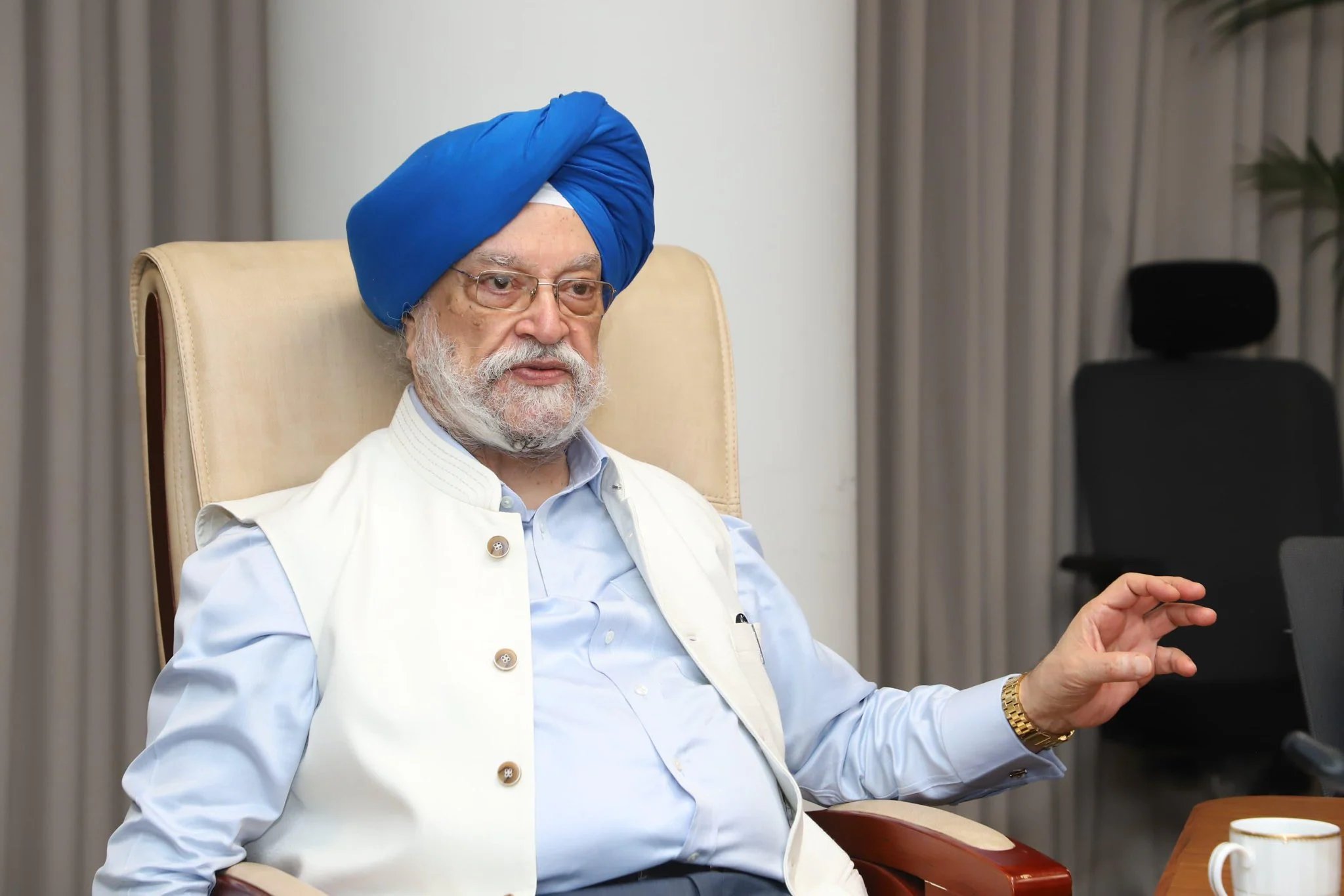
Hardeep Singh Puri stood firm against the narrative that New Delhi is capitulating to Western demands to cut ties with Moscow’s energy sector. Speaking at the 29th Energy Technology and Innovation Meet on Tuesday, the Union Petroleum Minister dismissed reports of external coercion. "I have never felt any pressure," he stated directly. For a government balancing massive import bills with diplomatic neutrality, that distinction is critical. It reclaims the agency of the trade from the geopolitical stage.
The logic is coldly commercial. Puri explained that Indian refiners operate on a simple algorithm: buy from the supplier offering the best price for a specific grade of crude. "At the point of negotiation, whoever is supplying a particular grade, we will buy from them," he said. Prices fluctuate. Sometimes Russian discounts widen. Sometimes they narrow. The decision follows the rupee, not the political winds. This approach protects the domestic economy from the volatility that has rattled global markets since Russia’s invasion of Ukraine.
Western sanctions targeting Russian giants Rosneft and Lukoil have complicated the logistics, but not the strategy. Puri noted that buyers can and do source from alternative hubs, including the United Arab Emirates. India has actively diversified its energy investments, pointing to recent ventures in Saudi Arabia. This diversification acts as a buffer. It ensures that if one supply line is choked by sanctions or sanctions-related banking friction, another is open. The goal remains unshakeable: reliable supply at manageable costs for consumers.
The minister emphasized that treating India’s oil purchases as a geopolitical lever ignores the complexity of global trade. Procurement involves layers of commercial and supply considerations that no single country can dictate. India is a major energy consumer. It cannot afford to let its energy security hinge on the diplomatic temper of other nations. The bottom line is simple: if the price is right, the oil flows. If it isn’t, the refiners look elsewhere.
As global powers continue to tighten the noose on Moscow’s oil revenues, India’s stance remains a deliberate act of economic pragmatism. The next phase involves monitoring how sanctions enforcement affects payment mechanisms and shipping routes. But for now, the Indian government’s position is clear: the market decides, not the mandates.