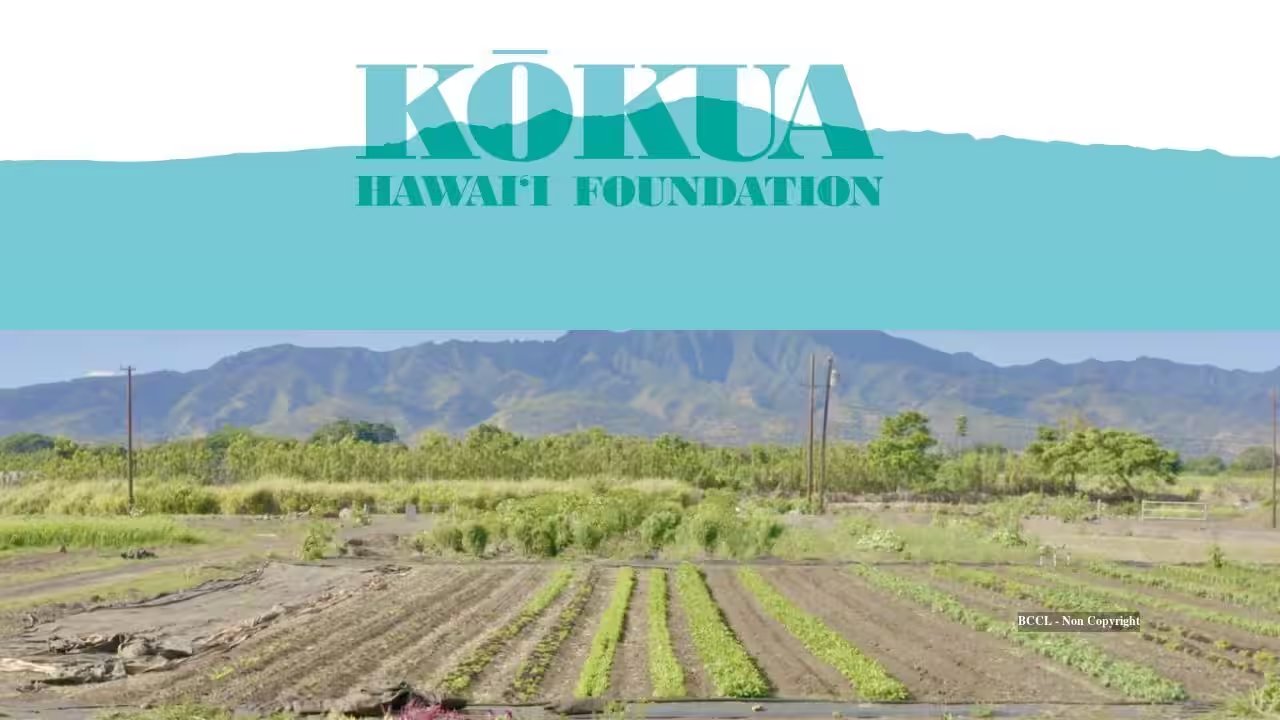
The Kōkua Hawaiʻi Foundation, founded by musician Jack Johnson, purchased a 20‑acre plot on Oʻahu in 2019 that had lain fallow for years. The foundation’s goal was to turn the neglected land into a living classroom for students and volunteers.
Building the farm required more than planting seeds. The foundation’s website details the installation of irrigation channels, the selection of cover crops, and the creation of a composting system that feeds the soil. An agroforestry program now interlaces fruit trees with vegetable beds, turning the site into a diversified ecosystem.
By 2025, the farm reported harvesting over 40,000 pounds of produce and welcoming more than 2,200 students on field trips. Lessons cover soil science, pest management, and the cultural significance of the ʻāina, allowing learners to see the food system in action rather than in textbooks.
Volunteer workdays held every first Saturday keep the farm running. Community members help with mulching, weeding, nursery work, and harvesting. Private workdays are offered to schools, churches, military units, and local clubs, giving groups hands‑on experience in sustainable agriculture.
The farm’s impact has drawn the attention of local policymakers. Kōkua Hawaiʻi Foundation officials say the project demonstrates the power of community stewardship and has prompted discussions about additional funding to expand the model. The foundation plans to host a town‑hall meeting next month to outline its vision for a statewide network of community farms.