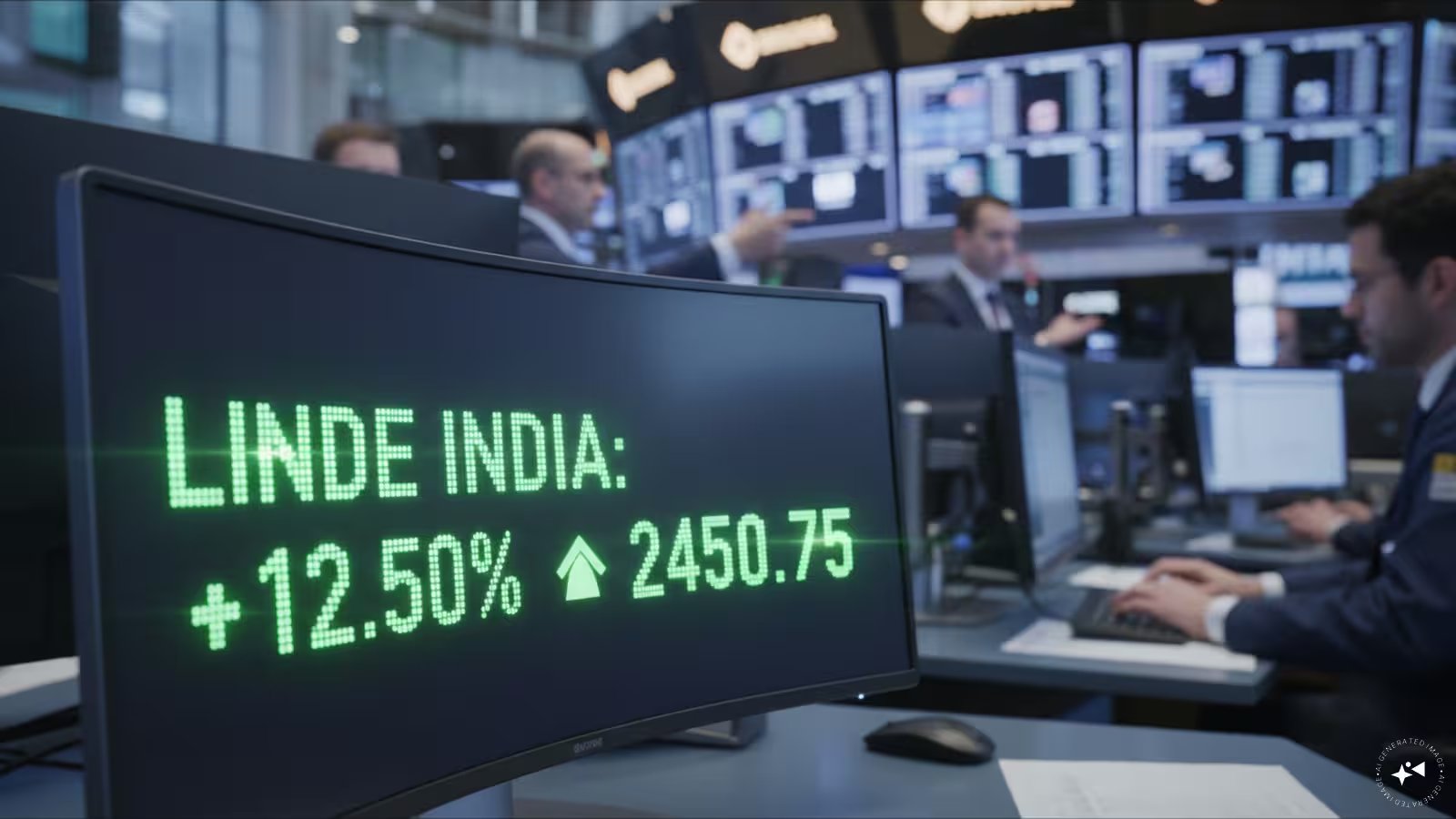
Linde India Ltd. shares surged as much as 12% on Friday, November 6, after the Supreme Court ordered the industrial gas supplier to hand over its valuation report on transactions with Praxair to capital markets regulator SEBI. Buyers swept into the counter during morning trade. The judicial directive injects immediate clarity into an escalating regulatory face-off over related-party contracts.
Both the Securities and Exchange Board of India and the Securities Appellate Tribunal have scrutinized Linde India's operational transactions with Praxair. The core legal dispute turns on classification: does the business arrangement constitute a material related-party transaction? If classified as material, corporate governance regulations mandate approval from minority shareholders. Linde India previously argued that the commercial pact between the two gas entities was an operational matter determined strictly at the board level. Regulators pushed back.
Shareholders had already signaled outright hostility toward the arrangement. In March 2026, minority investors voted down a formal resolution seeking clearance for related-party transactions with Praxair totaling ₹417 crore. The rejection was decisive. A staggering 89.23% of ballots opposed the measure, leaving just 10.77% in support. The BOC Group Limited—Linde India’s holding company and an affiliated related party—abstained from casting votes.
The legal headwinds hardened months earlier. In December 2025, the Securities Appellate Tribunal dismissed an appeal brought by Linde India, upholding SEBI's regulatory enforcement against the firm. In that ruling, the appellate bench stated that Linde India's internal testing criteria for related-party contracts ran directly contrary to regulatory statutes established by SEBI.
With the Supreme Court now directing the handover of valuation records to SEBI, regulatory inspection turns directly to the underlying asset valuations and pricing parity governing the Praxair commercial integration.