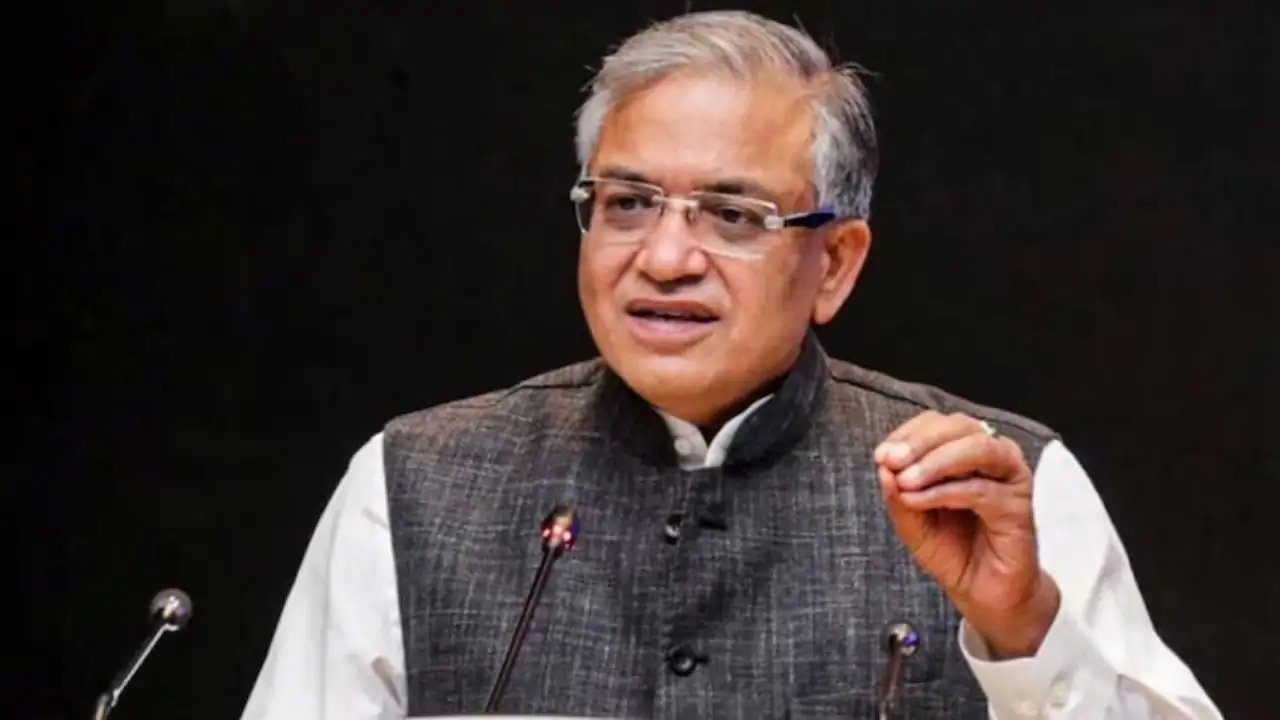
The bench, led by Chief Justice Surya Kant, issued a notice to the Election Commission and Chief Election Commissioner Gyanesh Kumar on Monday, demanding records about how the Commission’s decisions were taken and how the voter‑registration form—Form 6—was altered. During the hearing, the Chief Justice clarified that no modified version of Form 6 had received Supreme Court approval, a point that has amplified the scrutiny of the Commission’s internal processes.
Opposition leaders seized the moment to attack the poll body. Congress general secretary Jairam Ramesh blasted the CEC on X, accusing him of deliberately deleting Gen Z voters from the new form and saying the controversy had deepened. Shiv Sena MP Priyanka Chaturvedi demanded Kumar’s resignation, while Pawan Khera called for the suspension of the SIR exercise and a return to ballot‑paper elections. National Conference senior leader Bashir Ahmad welcomed the court’s decision as a “positive first step” toward a fair outcome.
The Special Intensive Revision (SIR) process, designed to update voter rolls, has been contested since several election commissioners—Vivek Joshi and Sukhbir Singh Sandhu—objected to unilateral changes. The Election Commission maintains that its decisions were taken unanimously, citing internal discussions as normal institutional practice. The Supreme Court’s notice, however, signals a departure from that narrative, insisting on a majority or unanimous vote for any alteration.
While the bench stopped short of suspending Gyanesh Kumar, it will scrutinise the Commission’s response and the statutory framework governing its decisions before deciding on the legality of the disputed actions. The next hearing is scheduled for early next week, after the Commission submits the requested records.
In Delhi, a family of five who had recently been denied registration under the new Form 6 says the changes have left them feeling invisible, echoing the concerns raised by opposition leaders.