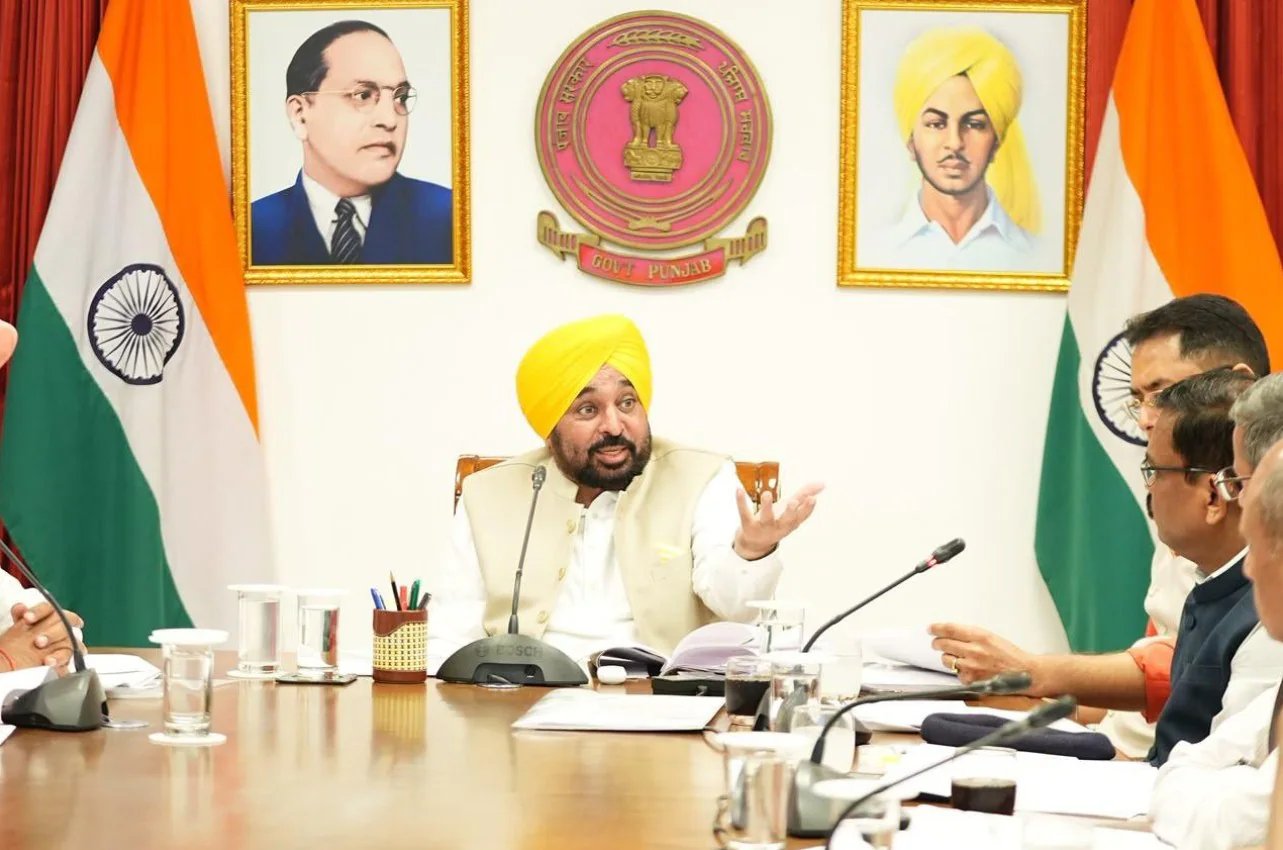
The Punjab and Haryana High Court, in a decision delivered this week, transferred the investigation of alleged corruption in Chief Minister Bhagwant Mann’s office to the Central Bureau of Investigation. The case stems from an Enforcement Directorate probe that uncovered irregularities in land‑use permissions and other government deals. Central investigators have already questioned private businessman Nitin Gohal, who is alleged to have acted as an intermediary between applicants seeking state favours and Rajbir Singh Ghumman, Mann’s Officer on Special Duty.
The ED’s dossier paints a network that allegedly wielded influence over transfers and postings, accessed confidential documents, and secured arms licences and approvals for private parties. The CBI’s mandate, as directed by the High Court, is to produce a comprehensive report within two months, a time frame that critics say is too tight for such a sprawling scheme.
Opposition voices have exploded. Congress chief Pargat Singh said, ‘The Honble High Court’s decision is a step toward a fair, impartial inquiry, and those who have caused losses to Punjab’s exchequer must be held accountable, no matter how powerful they are.’ BJP’s Ravneet Bittu demanded ‘complete accountability’ and, according to him, every rupee must be accounted for.
The Aam Aadmi Party, which won the state on a promise to curb corruption and strengthen the Lokpal, now faces questions that could erode its anti‑corruption credentials. AAP General Secretary Baltej Pannu accused the Central government of withholding funds that the Punjab administration uses to deliver services, suggesting that the probe could be politically motivated.
With the 2027 assembly elections on the horizon, the CBI report—due in early September—will likely become a centerpiece of the political narrative. The opposition is already mobilising around the findings, while the Mann government is bracing to defend its record on transparency.