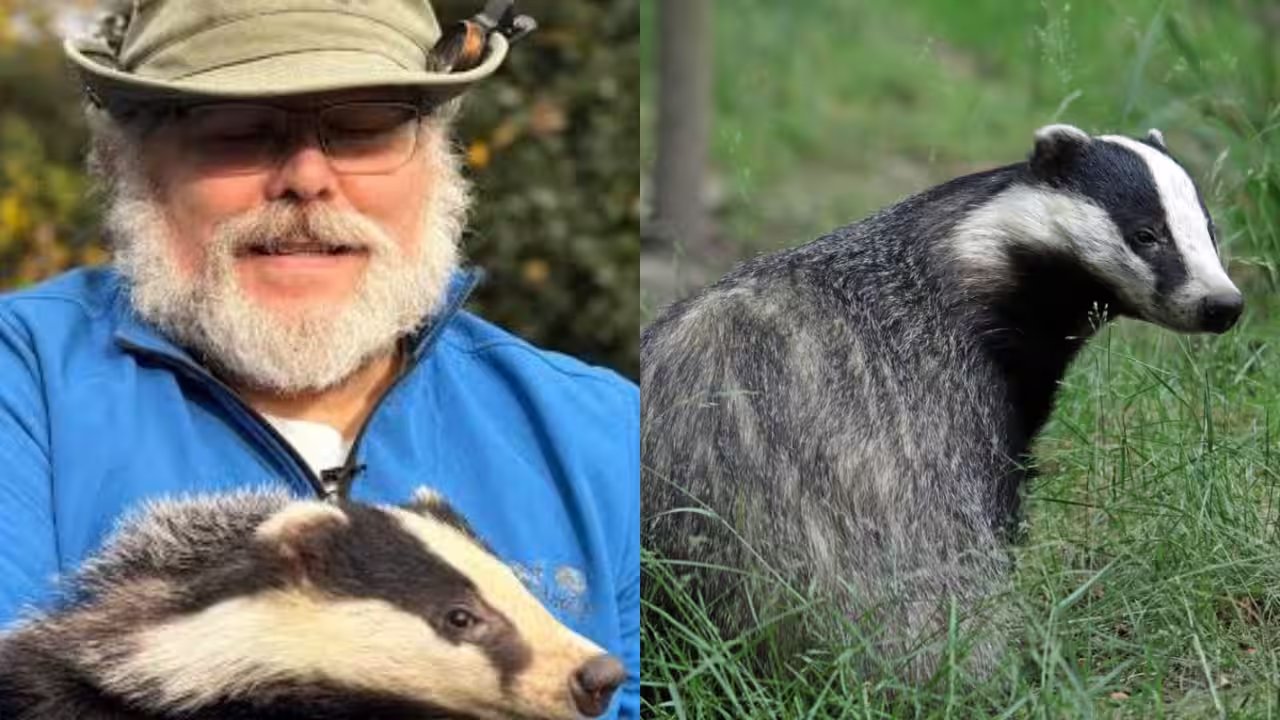
Graeme Wilson did not plan to become a permanent caretaker for Harriet. He found the starving badger cub trapped in a cattle trough in the Scottish Borders in April, just 100 metres from her sett. Wilson, who runs GW Ecology from his home in Denholm, took her in expecting a short-term recovery.
It did not work out that way. After months of bottle-feeding, Wilson concluded that Harriet is too accustomed to human presence to survive independently. He fears that if released, she will approach walkers, exposing herself to injury or death. His application to NatureScot for an educational licence to keep her was rejected. The authority suggested either wild release or transfer to a zoo.
Wilson rejects both options. A zoo, he argues, would leave the solitary animal isolated and distressed. A release could kill her. He wants a permanent, safe home where he can also use Harriet to educate the public about badger rehabilitation. The British Wildlife Rehabilitation Council, however, draws a hard line. Paul Reynolds, the council’s chair, stated that human familiarity does not automatically justify permanent captivity.
The council emphasises the need for specialist facilities, veterinary supervision, and species-specific care that a private residence may not provide. They distinguish between responsible rehabilitation and keeping wild animals for personal or educational purposes. NatureScot said talks are ongoing but stressed that Harriet’s welfare remains the central metric. Police Scotland has been notified of the dispute.
The outcome remains uncertain. Wilson continues to advocate for an exception to the usual rules, arguing that Harriet’s specific history makes her an outlier. Whether he secures a legal exception or Harriet is moved to a facility, the case has ignited a broader debate on the limits of human intervention in wildlife conservation.