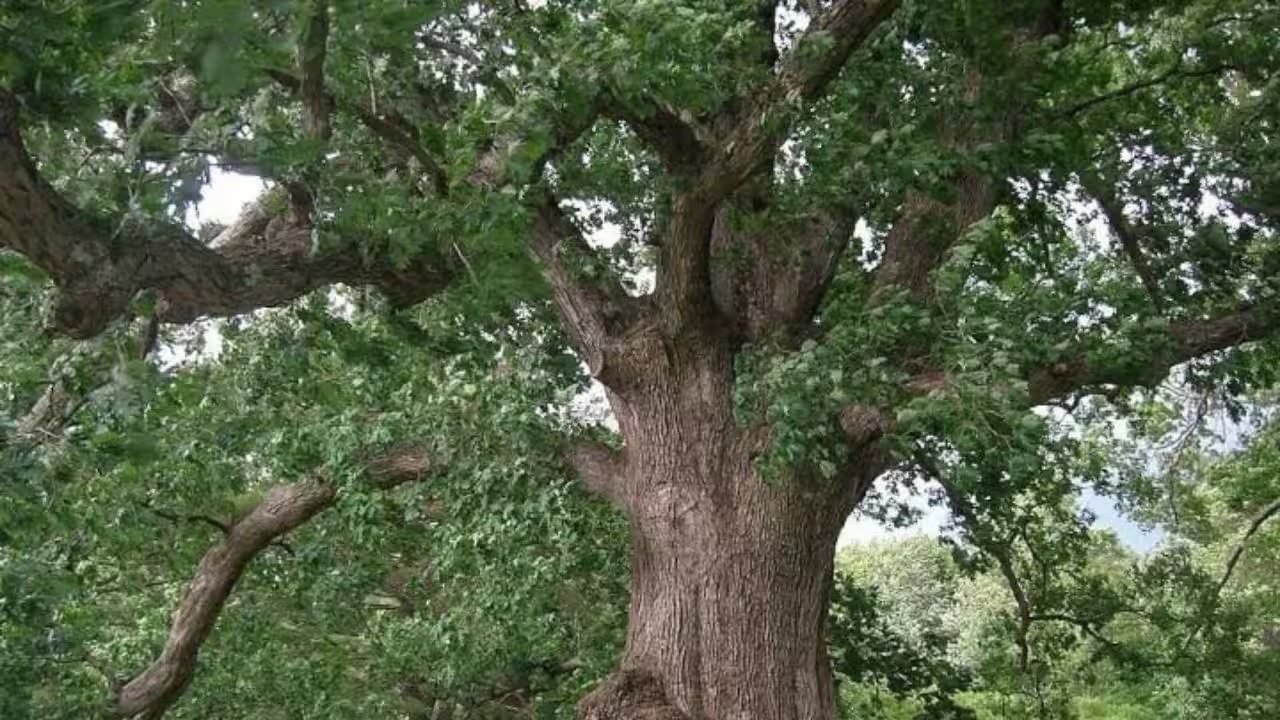
The New Jersey Appellate Division has finalized a $173,000 judgment against a utility company, rejecting its attempt to overturn a jury verdict in docket A-2181-23. The homeowners’ victory comes after a massive, rotting oak tree situated on the utility’s property tore off the roof and structural frame of the adjacent house. This is not a case of bad luck; it is a case of ignored warnings.
The homeowner had spent months sending written notices and holding direct conversations with the utility, flagging the tree’s visible decay. She documented the risk. The utility did nothing. No inspection, no trimming, no removal. When the tree finally snapped, the damage was catastrophic, forcing the resident to vacate the home while repair costs ballooned. The trial court jury reviewed these communications and found the utility’s inaction constituted negligence.
On appeal, the utility argued that landowners are not liable for natural conditions, even hazardous ones. The three-judge appellate panel shot that argument down. They clarified that while nature is not a defendant, owners in urban or suburban settings have a duty to address dangers they know or should know about. Because the utility had specific, documented notice of the oak’s instability, the shield of 'natural condition' protection evaporated.
The ruling stands. The utility company must now wire the $173,000 to cover the structural repairs and related losses. For property owners across the state, the message is blunt: if you are warned about a dying tree, you act. Silence is now a financial liability.