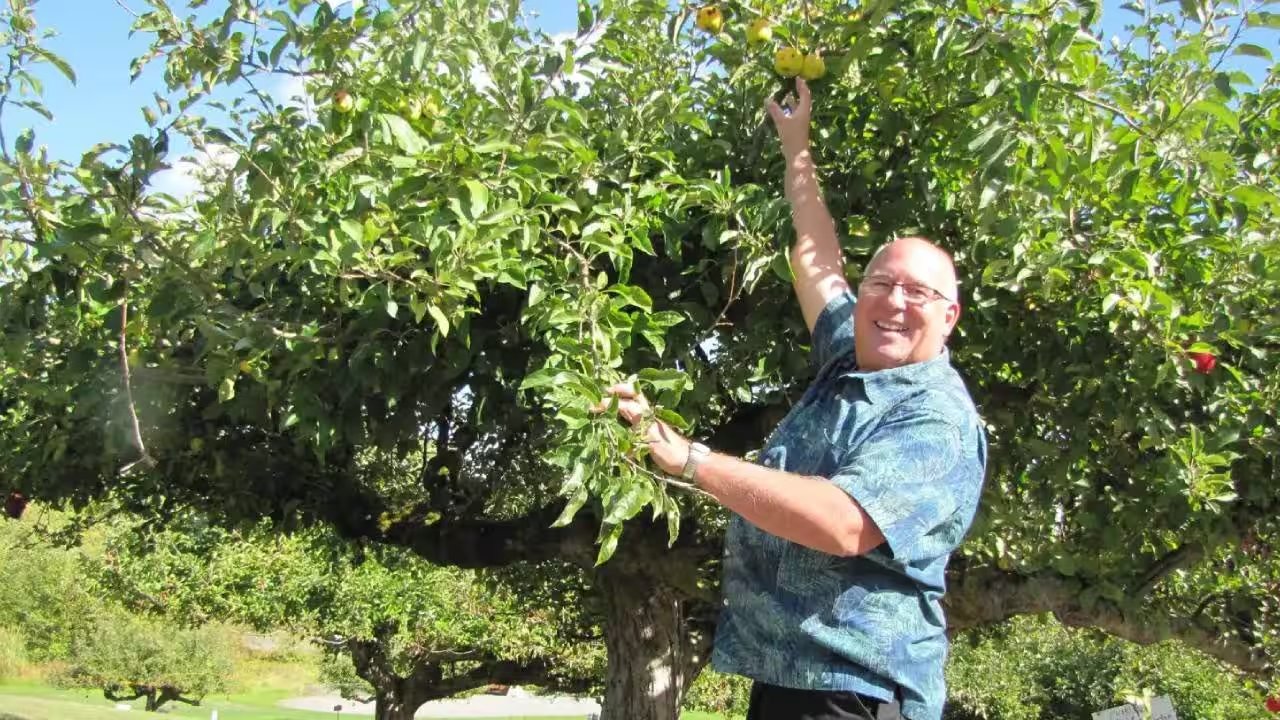
In July 2024, retired FBI agent Dave Benscoter announced he had identified 30 lost apple varieties across the Pacific Northwest. He stumbled on the quest in 2012 while helping a parishioner with yard work, noticing trees that didn’t match any catalogued types. Benscoter called the woman, asked about the orchard’s varieties, and the conversation sparked a decade‑long rabbit hole of research.
He scoured state archives, county fair newspapers, and DNA databases, eventually partnering with orchard experts Joanie Cooper and Sean Shepherd from Oregon’s Temperate Orchard Conservancy. Their first success came when they confirmed the existence of the historic Fall Jenneting, a cultivar that had been presumed extinct. Since then, the trio has logged 30 varieties, including the Streaked Pippin, Sary Sinap, and Nero.
The trio’s work, now formalized as the Lost Apple Project, goes beyond cataloguing. Each fall, the team harvests samples, then returns in winter to graft branches onto rootstocks, ensuring the genetics survive. They've already propagated 150 new trees, planting them in orchards across eastern Washington, western Idaho, and northern Oregon.
One of the most touching discoveries was the Kittageskee apple, long sought by a farmer in Arkansas who had spent a decade hoping to taste the variety he’d read about. When Benscoter’s team finally located a surviving tree in southern Idaho, the Arkansas farmer, whose name is withheld, cried as he tasted the fruit for the first time. “It felt like a dream come true,” he told a local news outlet.
Looking ahead, the Lost Apple Project plans to distribute grafts to 50 growers this spring, a move that will secure the genetic diversity of these historical cultivars. Benscoter said the initiative aims to weave forgotten apple stories back into the region’s agricultural fabric.