Ever wondered how a small root can turn a whole plant into a powerhouse? Grafting lets you pick the best of two worlds – a disease‑resistant root system paired with a juicy, high‑yielding scion. It’s the secret sauce that makes a humble brinjal thrive in rough soils.
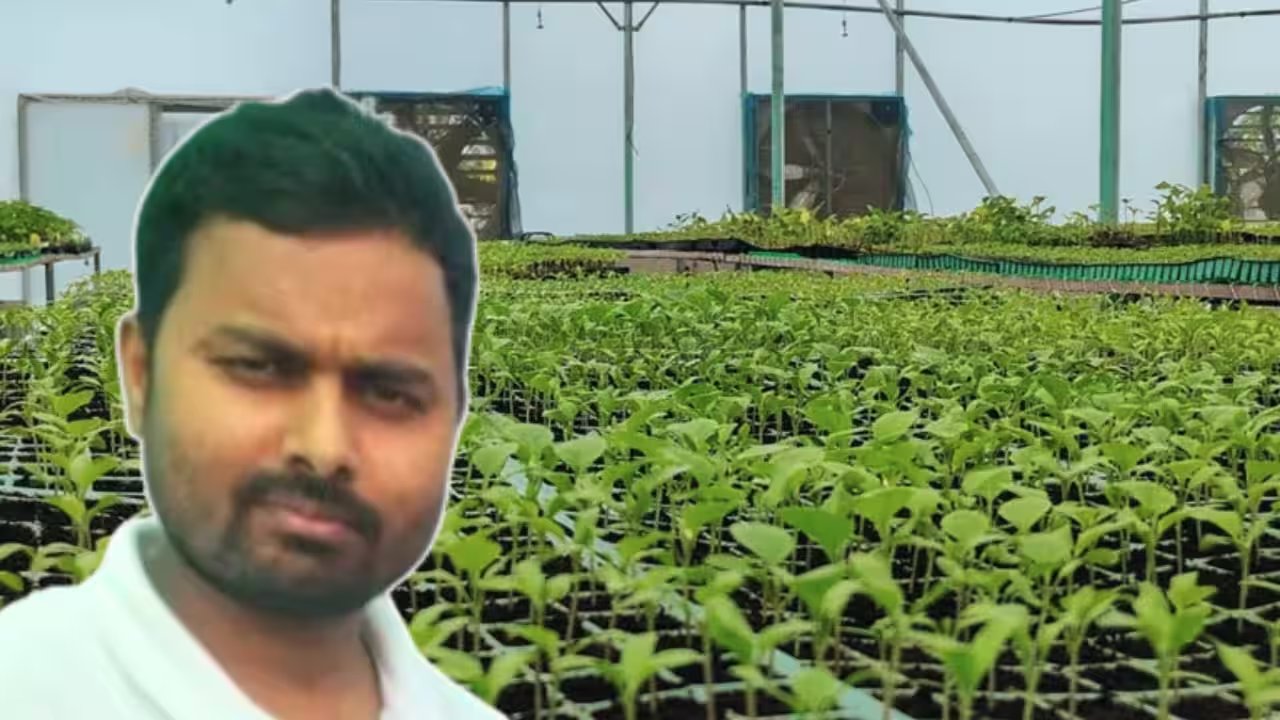
Back in 2023, Gaurav Maurya turned a meagre 0.125‑hectare patch into a profit‑making plot, harvesting 112 quintals of brinjal and pocketing ₹2.27 lakh. That tiny triumph nudged him to sell seedlings instead of just fruit, and the next year he shipped nearly 75,000 grafted tomato and brinjal seedlings, raking in another ₹3.37 lakh. Today, his nursery churns out four lakh plants a year, a ₹60 lakh turnover and a growing reputation.
Want to try this at home? Start with a few inches of Solanum torvum rootstock – a hardy, disease‑tolerant plant that’s easy to find at local nurseries. Cut a clean 4‑inch slant on the rootstock and a matching 4‑inch slant on the brinjal scion. Hold them together, wrap with a thin strip of waxed cotton, and secure with a rubber band. The whole process takes less than an hour, and the cost per seedling is a pocket‑friendly ₹8–10.
After the graft, place the pair in a healing chamber: a small box with a damp cloth, low light, and 80–90% humidity. Leave it for seven days; the tissues will fuse, and you’ll see the first green shoots. Once the seedlings sprout, move them to a sunny spot with well‑drained soil, and they’ll grow into full brinjals in about 50–60 days.
The easiest way to dip your toes in the market is to buy a ready‑made grafted seedling from a local nursery or an online farmer’s market. They’re sold for ₹12–13 each, and if you’re savvy, you can start offering them to neighbors, friends, or your own garden, turning a hobby into a small side‑business. Give it a go, and watch your backyard blossom with disease‑resistant brinjals—and maybe a few extra rupees in your pocket.