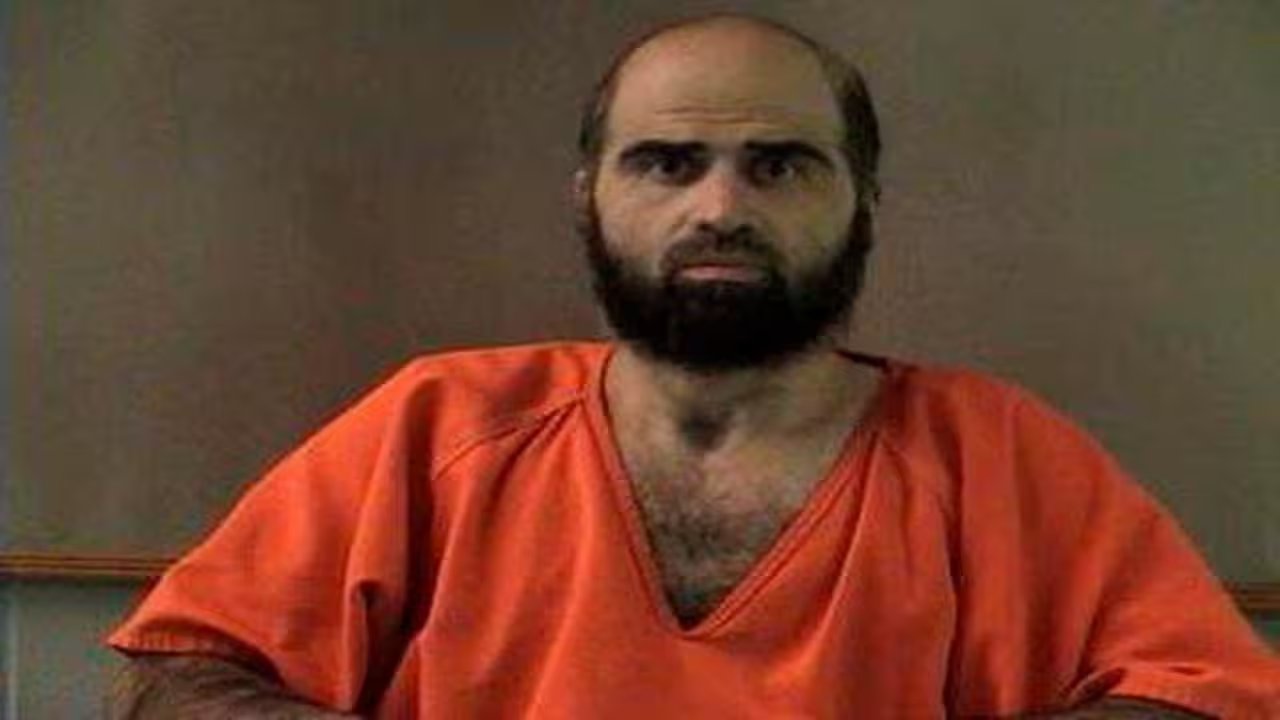
Donald Trump confirmed on Friday that Nidal Hasan will be executed on December 3, but he stepped back from the Pentagon’s earlier insistence that the event would be broadcast live. "They are making a determination about that, but he will be killed," Trump said, adding, "I really don't care how he goes, as long as he goes." This hesitation contrasts sharply with Defence Secretary Pete Hegseth’s prior statements that the military would facilitate a public viewing, a stance that has ignited a firestorm across the political spectrum.
The opposition is not partisan. Republican Representative Austin Scott argued that while Hasan deserves death, livestreaming executions mirrors the tactics of jihadist groups. Democratic Senator Mark Kelly, a member of the Senate Armed Services Committee, went further, comparing the proposed broadcast to public executions carried out by Iran and the Taliban. Even Vice President JD Vance, who labeled the 2009 Fort Hood massacre the worst terrorist attack on US soil since 9/11, said he would refuse to watch the stream if it went ahead.
International and religious leaders have joined the condemnation. The UN human rights office stated that a livestreamed execution would constitute a public execution, breaching the absolute prohibition of torture. Archbishop Paul Coakley, president of the US Conference of Catholic Bishops, called the plan a "barbaric promotion of a culture of death." Technology platforms TikTok, YouTube, Meta, and X have not yet clarified whether they would host the feed, though TikTok’s existing policies explicitly prohibit graphic violence.
Hasan, a Virginia native and former psychiatrist, shot and killed 13 people and wounded dozens more at Fort Hood in Texas on November 5, 2009. He represented himself during his 2013 court-martial and did not contest the charges. Court-appointed lawyers had raised concerns that Hasan was actively seeking execution. The court noted he opposed US operations in Iraq and Afghanistan and had communicated with Anwar al-Awlaki, the radical cleric killed in a Yemen drone strike.
If proceeds as scheduled, the firing squad will mark the first US military execution by this method since 1945. The last military execution in the US occurred in 1961, when John Bennett was hanged. Hegseth’s office is currently weighing the logistical and legal ramifications of the broadcast, with a final decision expected before the December 3 date. The fate of the livestream will likely face immediate legal challenges if the Pentagon proceeds with the initial plan.