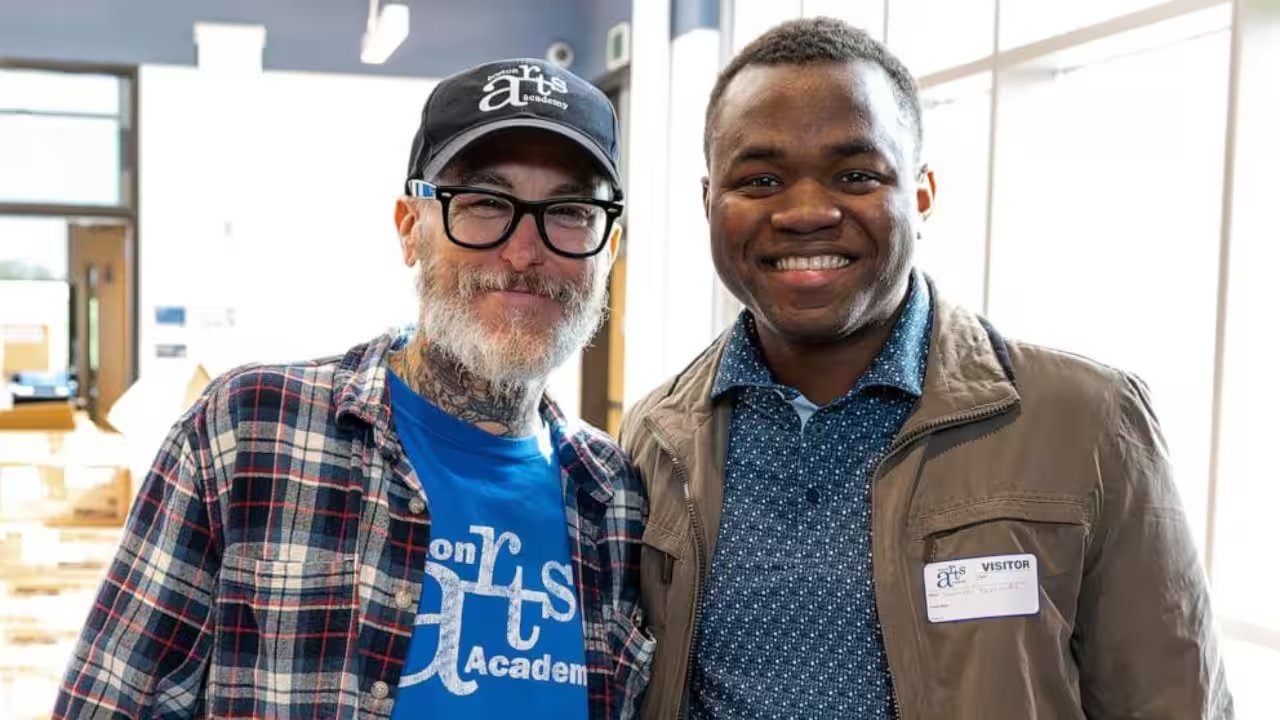
In Boston, a 53‑year‑old custodian’s willingness to donate a kidney through a kidney‑exchange program helped a 21‑year‑old college student in stage‑5 kidney failure receive a transplant. The student, who had spent months on dialysis, was turned away by two older brothers who were medically incompatible.
Kidney‑exchange programs are a clever workaround for donor–recipient mismatches. A donor whose organs cannot go directly to a particular patient offers them to another patient instead; in return, the original recipient receives a compatible organ from a different donor. The system essentially swaps kidneys to pair up medical matches that would otherwise be impossible.
The custodian, after learning of the student’s dire condition, applied to the Massachusetts General Hospital Living Donor Program that very night. He underwent a battery of tests—blood typing, HLA matching, imaging, and a psychosocial evaluation—before being cleared. On June 3, 2025, he had his left kidney removed in a minimally invasive laparoscopic procedure, and the kidney was transplanted into another patient. The student received his transplant on August 20, 2025, thanks to an anonymous donor who matched his body.
Thinking about becoming a living donor? First, talk to your primary doctor; they can refer you to a transplant center that offers a living‑donor assessment. The process involves multiple blood tests, a kidney scan, and a counseling session to ensure you’re physically and mentally prepared. If you’re cleared, the transplant team will schedule a donation date, and recovery typically takes a few weeks of rest and gradual return to normal activities.
For anyone intrigued by the idea of organ donation, remember that even if you’re not an exact match, you can still help through an exchange. Registering as a potential donor, staying healthy, and keeping your blood type in mind can put you on the waiting list for a program like this. Always keep your doctor informed and follow their guidance on diet, exercise, and medication to maintain kidney health.
If you’re considering donation, the safest move is to set up a conversation with a transplant coordinator and explore the eligibility criteria. Even if you end up as a non‑direct donor, the ripple effect of your generosity can save a life—just as it did for the Boston student and his custodian friend.