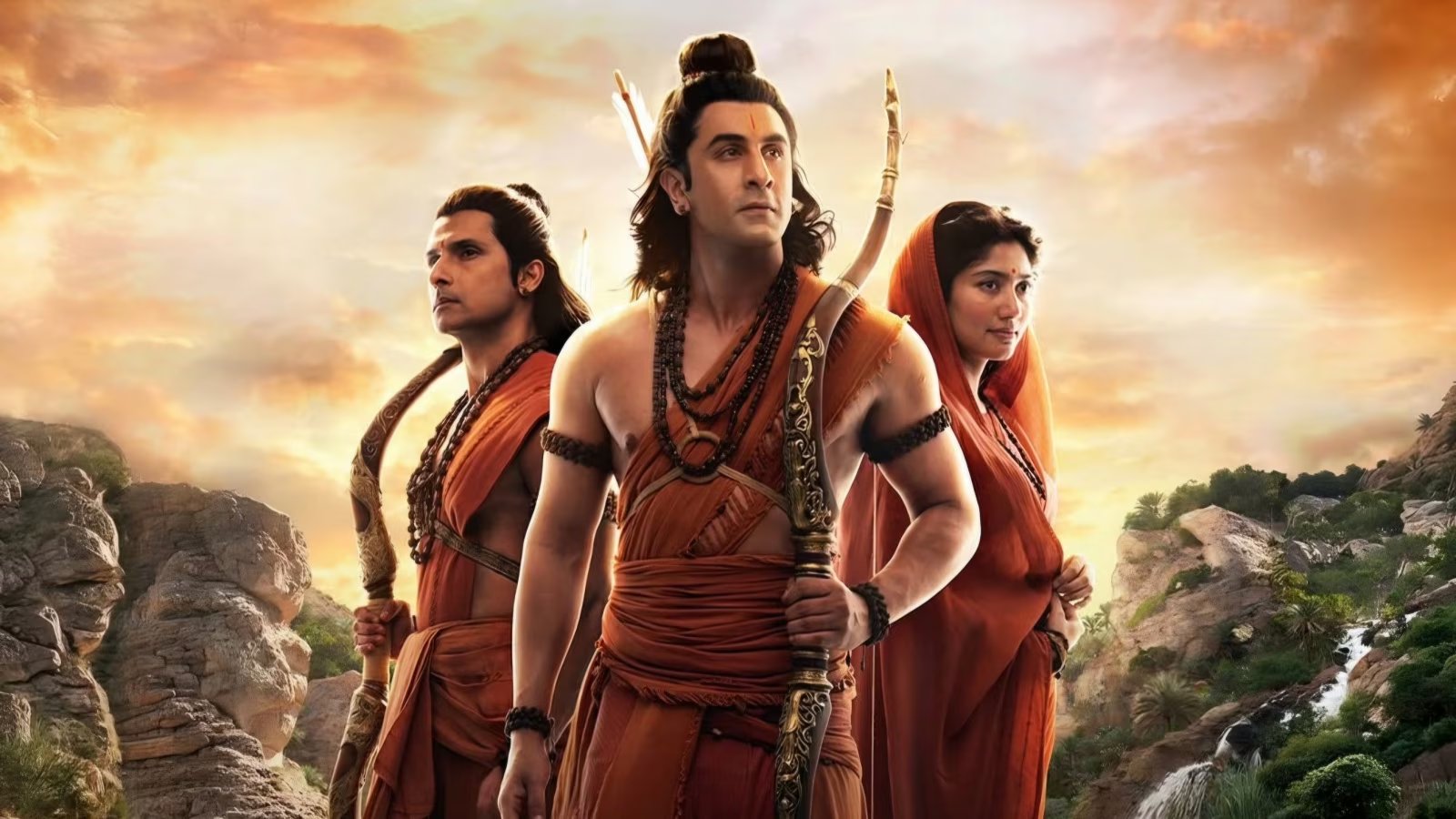
Prime Focus shares slipped 0.49% to ₹273.55 in Mumbai on Wednesday, extending a post-release retreat that has shaved 11% off the media company's market value since November 5. The drop comes in sharp contrast to theatrical ticket counters. Ramayana, produced by Namit Malhotra’s studio, collected over ₹499 crore in worldwide gross receipts across its opening four days. But equity markets gave the spectacle a cold shoulder. Traders booked profits, leaving the stock languishing 26% below its 52-week high.
The selloff halted a year-long speculative run. Prime Focus shares had more than doubled over the trailing twelve months as anticipation built around the production, tacking on another 13% gain in the final fortnight before screens lit up. The momentum broke on release day. Both Prime Focus and the broader entertainment sector retreated in tandem as the euphoria met cold balance-sheet scrutiny. Over the past five sessions, the stock shed 3.25%, pushing its monthly decline to 1.95%. It trades down 0.31% over six months, while retaining a 19.29% advance year-to-date.
The theatrical numbers set an individual record for lead actor Ranbir Kapoor. Ramayana opened domestically at ₹64.85 crore net—Kapoor’s largest domestic debut to date, though trailing the ₹86.75 crore opening day benchmark established by the Prabhas-starrer Adipurush. Yet box office receipts alone face an uphill climb against capital deployment.
Two parts of Ramayana carry a reported combined production budget exceeding ₹4,000 crore, ranking the twin project as the most expensive film venture in Indian cinema history. Recovering that outlay demands unprecedented monetization across multiple windows. Pre-release sales of digital and satellite rights brought in more than ₹450 crore—covering just 11% of the aggregate production budget. Producers retain only a fraction of distributor box office collections, and the second installment has yet to reach cinemas.
| Financial & Market Metric | Reported Figure / Value | Details |
|---|---|---|
| Current Stock Price | ₹273.55 | Down 0.49% on the day |
| 52-Week High Discount | -26% | Current trading discount |
| Post-Release Share Drop | ~11% | Slump since November 5 debut |
| Worldwide Box Office (4 Days) | Over ₹499 Crore | Global gross ticket sales |
| Domestic Net Day 1 Opening | ₹64.85 Crore |
Market Context: The divergence between box office headline receipts and equity pricing highlights growing investor scrutiny over studio profit-share splits. When production debt dwarfs early non-theatrical rights recovery, distributor revenue cuts leave thin margins for equity holders bearing long recoupment cycles.
Fundamentals continue to weigh on institutional conviction. Prime Focus logged a net loss of ₹46 crore in the June quarter and has ended in the red in seven of the past ten fiscal years. Balance-sheet leverage remains substantial, with total borrowings standing near ₹5,717 crore. That financial drag leaves the equity trading at a steep 119 times trailing earnings.
Smart money took money off the table during the build-up. Foreign institutional investors steadily trimmed their exposure, slashing holdings from 11% to under 3% over the past year. Retail participants absorbed the supply, more than doubling their collective share count across the same window. High-net-worth investors Ramesh Damani and Madhusudan Kela entered the register last year, while Kapoor secured an equity allocation in the company.
VFX subsidiary DNEG remains the company's primary economic engine. Most of Prime Focus’s top-line revenue flows from this global visual effects outfit, making the Ramayana franchise a massive corporate bet rather than an existential sole operation. Regulatory scrutiny also lingers in the background. The Income Tax Department carried out searches across Prime Focus offices in October regarding alleged foreign remittances, with tax authorities yet to disclose formal investigative findings.
Trading desks now face an immediate operational checkpoint. Prime Focus is scheduled to unveil its financial scorecard for the September quarter today, November 13, giving investors verified clarity on cash flow and studio performance.
| Ranbir Kapoor career-best debut |
| Ramayana Two-Part Budget | Over ₹4,000 Crore | Indian cinema record production cost |
| Digital & Satellite Rights Sold | Over ₹450 Crore | Covers ~11% of total production cost |
| Total Company Borrowings | ₹5,717 Crore | Carried on balance sheet |
| Trailing Price-to-Earnings (P/E) | 119x | Stretched operational valuation |
| Q1 June Quarter Net Loss | ₹46 Crore | Preceding operating quarter |