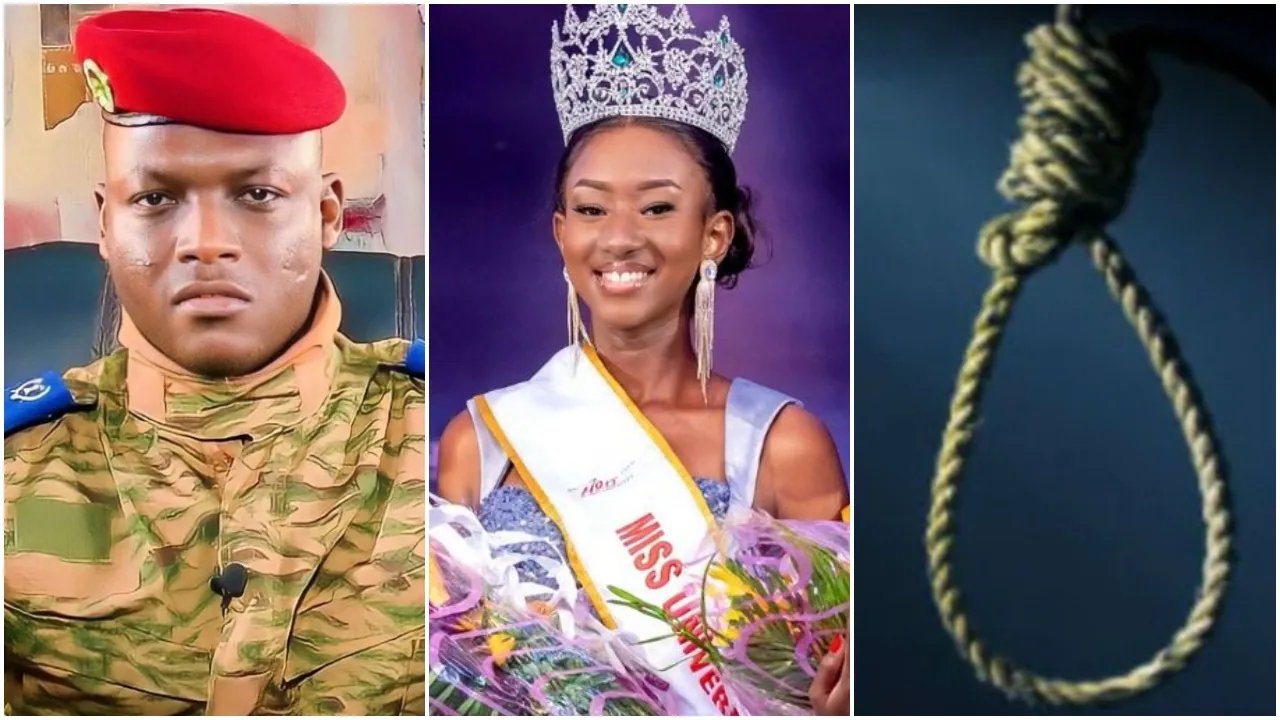
The transitional parliament, convened under the military regime, passed a new penal code that re‑instates capital punishment for terrorism, treason and espionage, reversing the 2018 abolition and marking the first potential execution since 1988.
Justice Minister Edasso Rodrigue Bayala defended the decree, arguing that the spike in violent insurgencies demanded harsher deterrents to safeguard national security.
Separately, the Ministry of Communication, Culture, Arts and Tourism announced on June 8 that all beauty contests would be halted until new regulations aligning with national traditions are drafted, a decision that pre‑dated the death‑penalty vote but remains in effect.
International human‑rights groups have reacted sharply: Human Rights Watch warned that the death penalty could be weaponised against political opponents, while Amnesty International urged a moratorium; both organisations have requested the UN Human Rights Council to review the decree within the coming month.
Amid the backlash, the government has spotlighted a national science competition for young women, HAKILI Mousso, which drew 84 participants and received praise for promoting STEM education, illustrating the regime’s attempt to balance punitive measures with social initiatives.