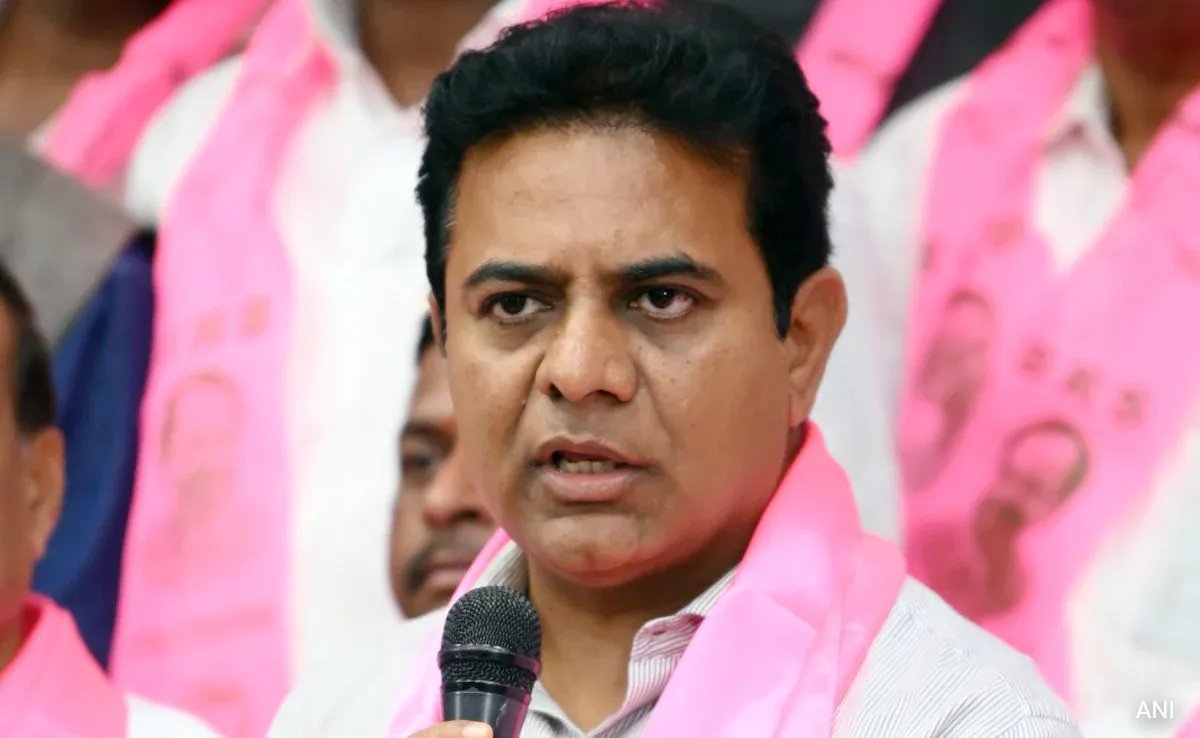
BRS working president K T Rama Rao, widely known as KTR, declared an all-out offensive against Chief Election Commissioner Gyanesh Kumar on Thursday, demanding his immediate resignation. The party will march to the Telangana Chief Electoral Officer’s office in Hyderabad tomorrow, signaling a sharp escalation in its standoff with the election body. This isn't just a local grievance; BRS plans to drag the fight to New Delhi, with specific protest dates and squads to be finalized in the coming days.
The core accusation is stark: systematic, large-scale deletions from voter rolls in constituencies represented by BRS MLAs. KTR framed this as a constitutional crisis, posting on social media that "nothing is greater than the Constitution of India" and that no citizen can be stripped of their franchise. He argued that institutional accountability must trump individual protection, stating bluntly, "No individual is above the institution." The party is not just shouting into the void; they have formally requested an independent investigation supervised by a sitting Supreme Court judge and urged the top court to take suo motu cognisance.
The criticism within the BRS camp extends beyond KTR. Former minister and deputy floor leader T Harish Rao attacked the Commission’s integrity, calling it "the backbone of democracy, not a protective shield for those in power." Harish Rao’s stance mirrors KTR’s: if the institution cannot guarantee impartiality, Kumar must step aside. This rhetoric lands in a climate of deep distrust, with civil society groups already taking to the streets at Hyderabad’s Dharna Chowk on October 3 to demand changes to the Special Intensive Revision (SIR) process.
This is not an isolated outburst. Congress leaders in Telangana have joined the chorus, raising their own alarms about potential voter deletions and echoing the call for Kumar’s resignation. The SIR exercise has become a flashpoint, transforming a routine administrative task into a political battleground over electoral transparency. For millions of eligible voters, the fear is tangible: being erased from the roll without recourse. The BRS insists these concerns require an independent, judicial examination, not just an internal review by the very body accused of bias.
The next 48 hours are critical. BRS will mobilize its cadre for the Hyderabad protest, while legal teams prepare potential petitions for the Supreme Court. The Election Commission has yet to respond to the resignation demands, but the pressure is mounting. If the top court accepts the case, the SIR process in Telangana could face a judicial freeze or a thorough audit, a scenario the Commission has long resisted.