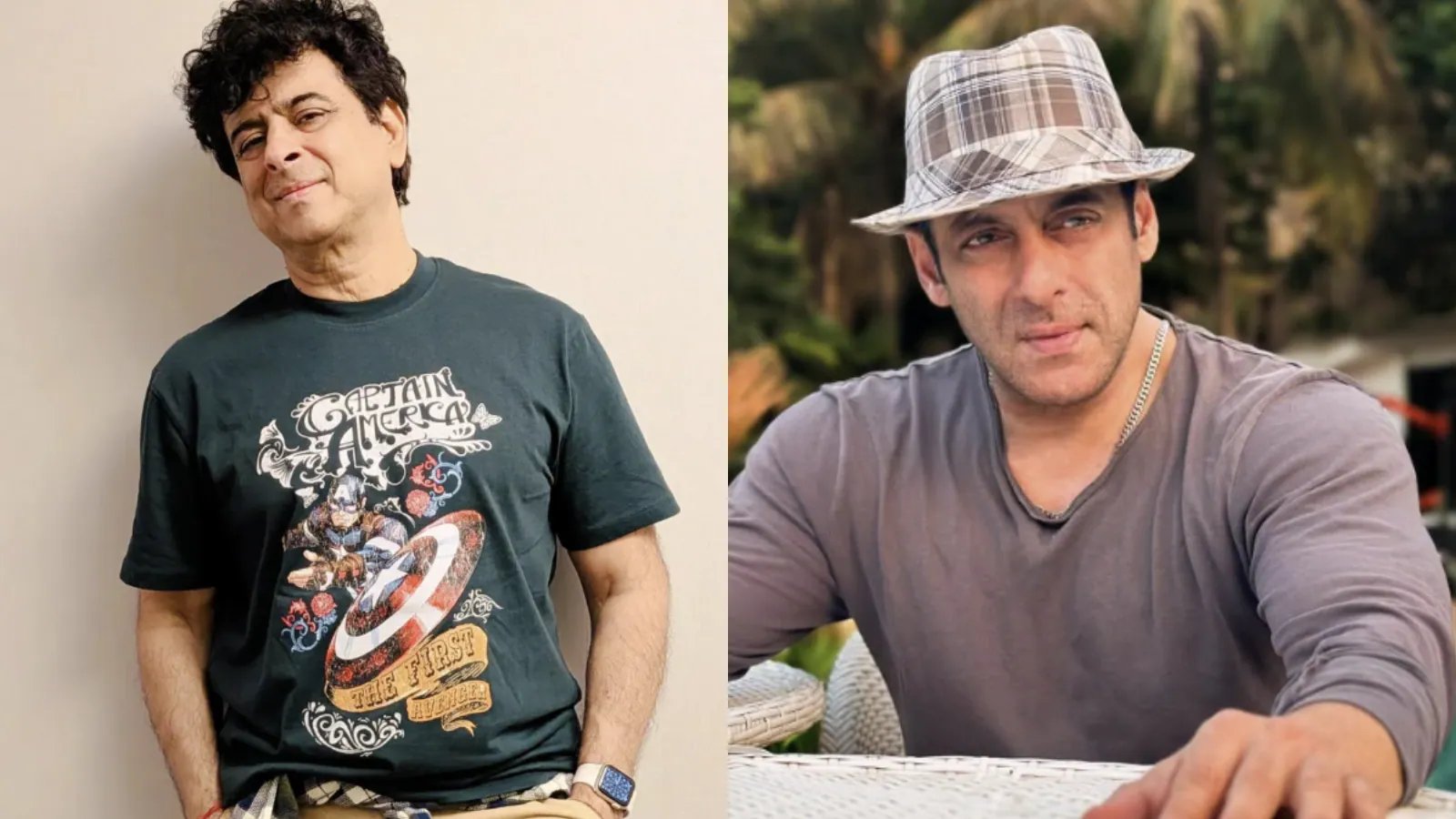
Salman Khan took a moral stand on Bigg Boss 20, slamming the trolls who body-shamed women post-pregnancy—widely read as a defense of Katrina Kaif. It was a moment designed to trigger empathy, a rare instance of the Big B aligning himself with the vulnerable against the mob. But Palash Sen, the voice of Euphoria, isn't buying the purity act. In a chat with Screen magazine, the singer dropped a stinger that lands harder than any troll comment: Khan is not the solution; he’s part of the machinery.
"He's a part of starting this. Let's not forget that," Palash said, refusing to give the actor the benefit of the doubt. The argument is blunt. For decades, the industry’s power players have maintained their positions by working closely with PR teams, crafting narratives that blur the line between genuine audience reaction and manufactured outrage. Palash argues that calling out the problem while having helped build the system is a confusing message. "One day, you can start saying things and sound like a saint," he noted, suggesting the timing feels more like damage control than genuine concern.
There’s also the elephant in the room: authenticity. Did Khan speak from the heart, or did he read a cue card? Palash pointed out the difficulty of distinguishing between organic emotion and scripted drama in today’s media landscape. "Even the fact that he did this on this show... 100 percent, we don't know whether this was scripted or it was really organic," the singer stated. In an era where every interview is a press release and every social media post is a strategy document, trusting a celebrity’s impulse is a long shot.
Palash’s own distance from Mumbai’s cinematic machinery informs his perspective. He admitted he never fully integrated into the city’s PR-centric camp culture, even after his 2002 debut in Filhaal. He chose to stay outside the ecosystem, observing that "nothing in the industry was real." His critique of Khan isn’t just about one rant; it’s a broader indictment of an industry that treats public opinion as a commodity to be managed, not heard.
So, was Khan brave or calculated? Palash leaves that ambiguity hanging, but his point stands: you can’t clean up a mess you helped create without addressing your own role in it. For now, the debate shifts from who is trolling to who is controlling the narrative—a far more uncomfortable question for the stars involved.