On Tuesday night, Pakistan's federal government lifted petrol and high‑speed diesel prices by PKR 4.10 and PKR 6.41 per litre, bringing the former to PKR 384.34 and the latter to PKR 415.83. The hike follows disruptions in the Strait of Hormuz and Bab el‑Mandeb that have driven global oil prices upward. The move rattles commuters.
Energy Minister Awais Leghari said Pakistan's power grid has remained stable thanks to a 72% domestic energy mix, yet rising RLNG prices—now $23.25 per MMBtu—push the cost of imported gas higher. He warned that a shift away from domestic gas would force another hour of load shedding and raise consumer tariffs by about PKR 10.6 billion. That's a serious threat.
Climate Change Minister Musadik Malik announced that the government will bolster its fuel‑relief programme, offering subsidised petrol for up to five litres per week to motorcyclists and ten litres every ten days to car owners. Malik added that the assistance would only partially offset the hike, reflecting the economy's limited absorption capacity.
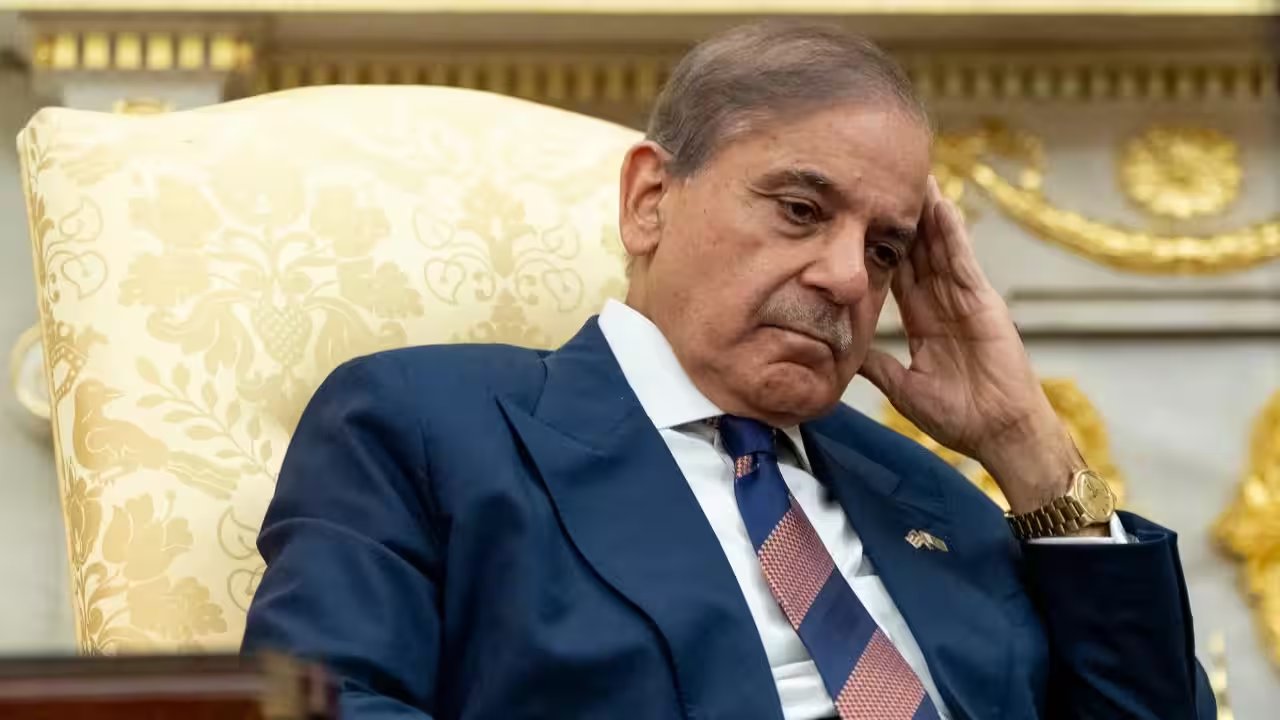
Prime Minister Shehbaz Sharif faces political pressure, with Jamaat‑i‑Islami threatening nationwide demonstrations if prices remain high. While Information Minister Atta Tarar floated a ‘smart lockdown’ similar to the four‑day work week used during the US‑Iran conflict, Malik denied that such a plan was under discussion.
The government has also switched to a daily petroleum‑pricing mechanism, introduced in July to replace the weekly system, as a response to volatile global markets. Adding to the uncertainty, Saudi Arabia shut its East‑West oil pipeline after an aerial attack, tightening global supply further.