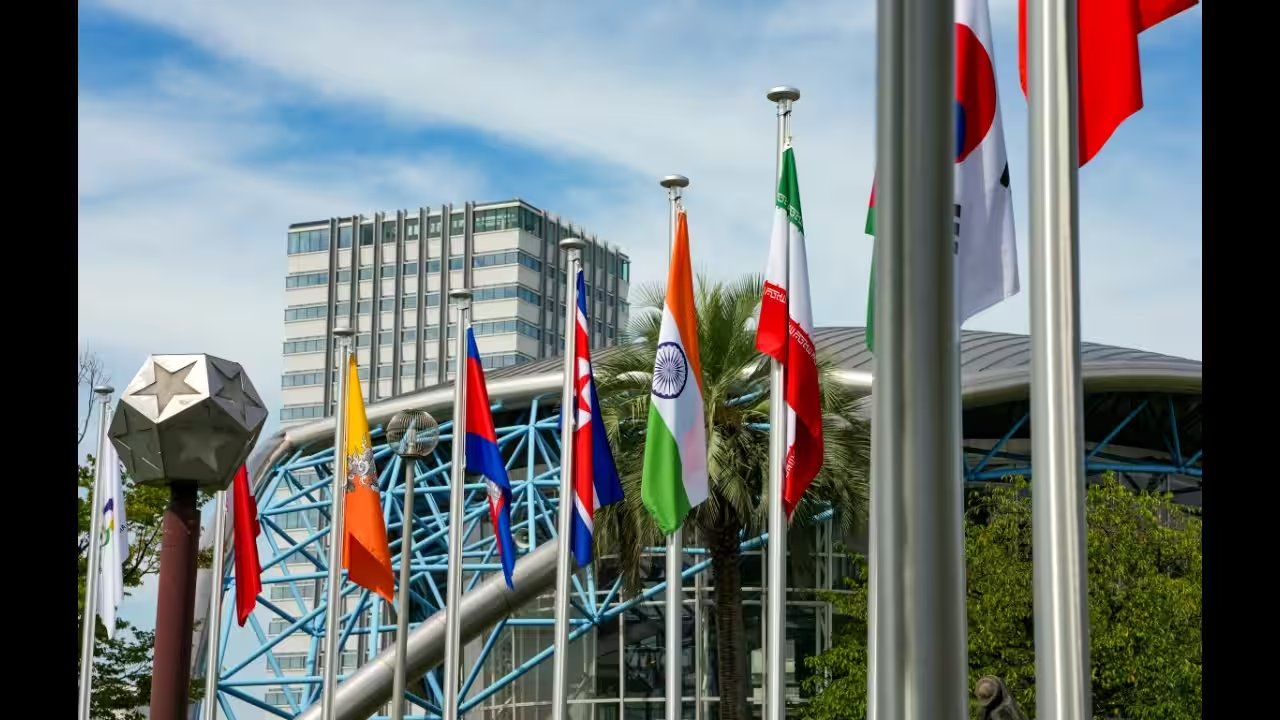
Nagoya, a city built on the bedrock of Japanese punctuality, just watched its host committee stumble over a simple clock. The flag-hoisting ceremony for India, Yemen, North Korea, Palestine, Chinese Taipei, and Timor-Leste didn’t happen at 1:30 pm. It didn’t happen at 1:50 pm. It dragged on for over an hour, leaving dignitaries and officials staring at their watches in Garden Pier.
The sequence of events was pure farce. The ceremonial band started playing. The contingents moved toward the stage. Then, just as they were about to step up, they were told to stop. They were sent back to the waiting area. The official explanation from ANAGOC was a shrug dressed up in diplomatic language: “The communication between the Olympic Council of Asia executive board and the organising committee was not well.”
Sahdev Yadav, India’s Chef de Mission, didn’t mince words when reporters pressed him. “There is mismanagement,” he said, bluntly. He admitted the build-up has been plagued by organisational hiccups, but he’s focused on the fix. India has already booked 18 extra hotel rooms—10 more are in the pipeline—and officials are stationed at the airport to sort out the logistical mess before it bites the athletes.
No Indian player was on site for the delay, but the message is clear. The Games are here, the flags are flying, but the wheels are grinding. The next fixture is on the schedule, so the focus shifts from the waiting area to the competition floor.