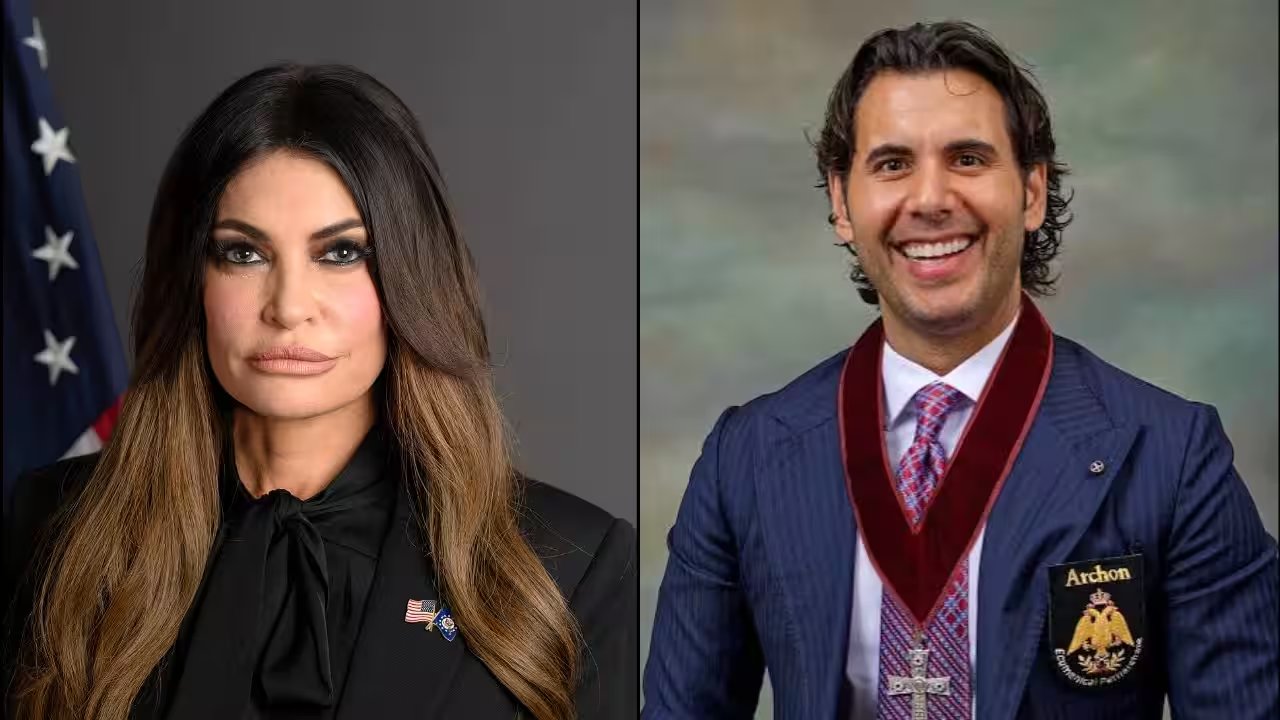
Christos Marafatsos, 39, sits beside Ambassador Kimberly Guilfoyle on a private jet over the Black Sea, a scene that has now become a focal point for a debate over the blurred lines between diplomacy and lobbying.
Alongside Guilfoyle, Marafatsos—registered as a lobbyist for Aktor Group, a Greek construction company that has recently diversified into natural gas—has been present at high‑level meetings across the Balkans, urging officials to cooperate on a proposed vertical gas corridor that would route U.S. liquefied natural gas through Greece to Ukraine and other Eastern European markets.
Marafatsos’s involvement has drawn a sharp response from the U.S. State Department, which has begun an internal review after the Wall Street Journal revealed that the lobbyist received $160,000 from Aktor between November 2023 and June 2024 to help build ties with the White House, State Department, and Energy Department.
In the press briefing, State Department spokesperson Marcia Nunez said the agency is "examining the circumstances of Mr. Marafatsos’s presence in official meetings". The agency added that any conflict of interest will be addressed per existing regulations, but the specifics remain under wraps.
Guilfoyle’s legal team, led by Jesse Binnall, dismissed the allegation that the ambassador was promoting a single company, arguing that her engagements with energy firms are "arranged through embassy channels". Yet the fact that Marafatsos did not disclose his ties to Aktor during the meetings has raised questions about transparency in diplomatic outreach.
The investigation may force the Biden administration to tighten rules governing the participation of private lobbyists in ambassadorial duties, a move that could reshape how U.S. foreign policy is marketed in regions vital to its energy strategy. The next step: The State Department is scheduled to release its findings in the first quarter of 2025, after which Congress may consider amending the Lobbying Disclosure Act to close the loophole exposed by this case.