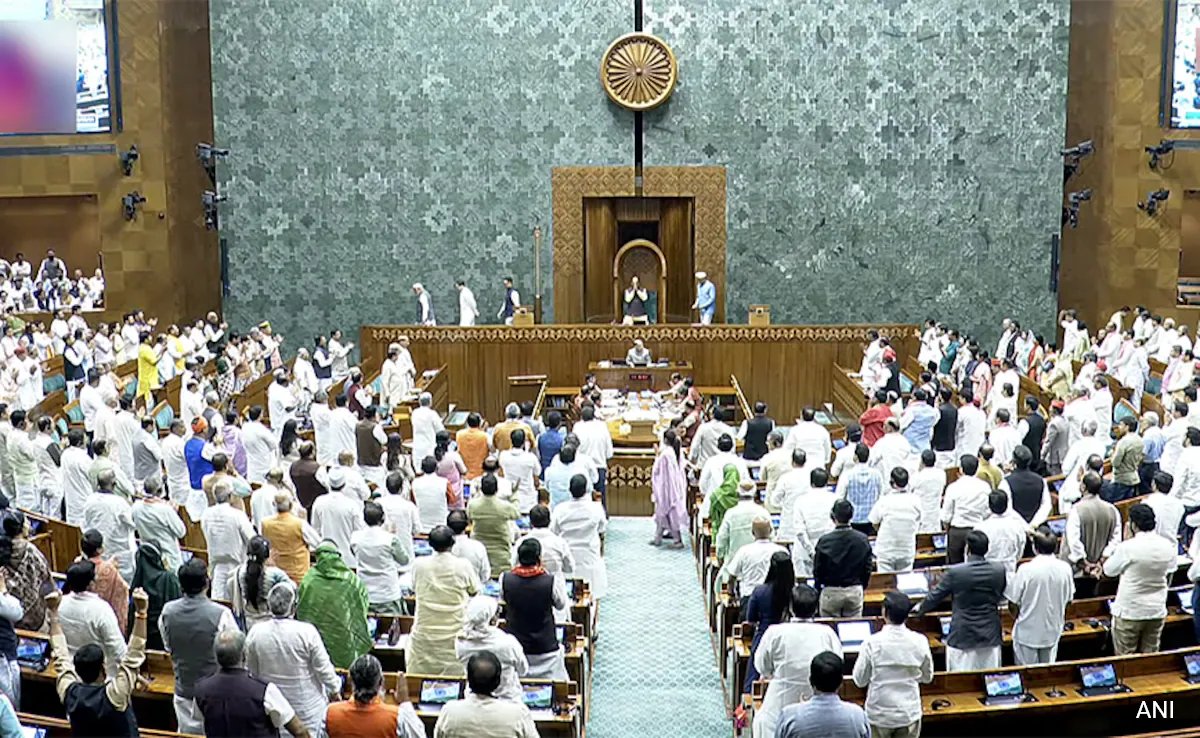
The ADR and National Election Watch analysis counted 26 Lok Sabha members, 7 Rajya Sabha members and 78 state legislators who changed affiliation after winning elections or by‑polls during 2022‑2026. Nagaland alone saw 32 MLAs switch parties, all of whom had been elected on Nationalist Democratic Progressive Party (NDPP) tickets and joined the Naga People’s Front (NPF).
West Bengal’s 20 Lok Sabha members, originally elected on All India Trinamool Congress (AITC) tickets, moved to the Nationalist Citizens Party of India (NCPI). The shift is now before Lok Sabha Speaker Om Birla for a potential merger decision. Telangana’s nine MLA defections followed a similar pattern, with Bharat Rashtra Samithi (BRS) lawmakers joining Congress.
Other states added to the tally: Goa’s eight Congress MLAs moved to BJP; Punjab had eight defections, including six Rajya Sabha members. Maharashtra’s six Lok Sabha members shifted from Shiv Sena (Uddhav Balasaheb Thackeray) to Shiv Sena under Eknath Shinde. Smaller numbers appeared in Meghalaya, Manipur, Arunachal Pradesh, Gujarat, Himachal Pradesh, Rajasthan, Karnataka, Madhya Pradesh, Sikkim and Uttar Pradesh.
At the party level, NDPP recorded 25 exits, AITC 20, and Congress 19, while NPF absorbed 32 legislators, BJP 29 and NCPI 20. ADR highlighted that these defections have led to the fall of governments in some state assemblies, underscoring the destabilising effect of such moves.
In response, ADR recommends transferring disqualification power from presiding officers to the President for MPs and to governors for MLAs, imposing a time limit for petitions and limiting defectors from holding public office until re‑elected. The report calls for these changes to be debated in Parliament, with Lok Sabha Speaker Om Birla set to consider the merger case in the coming days.