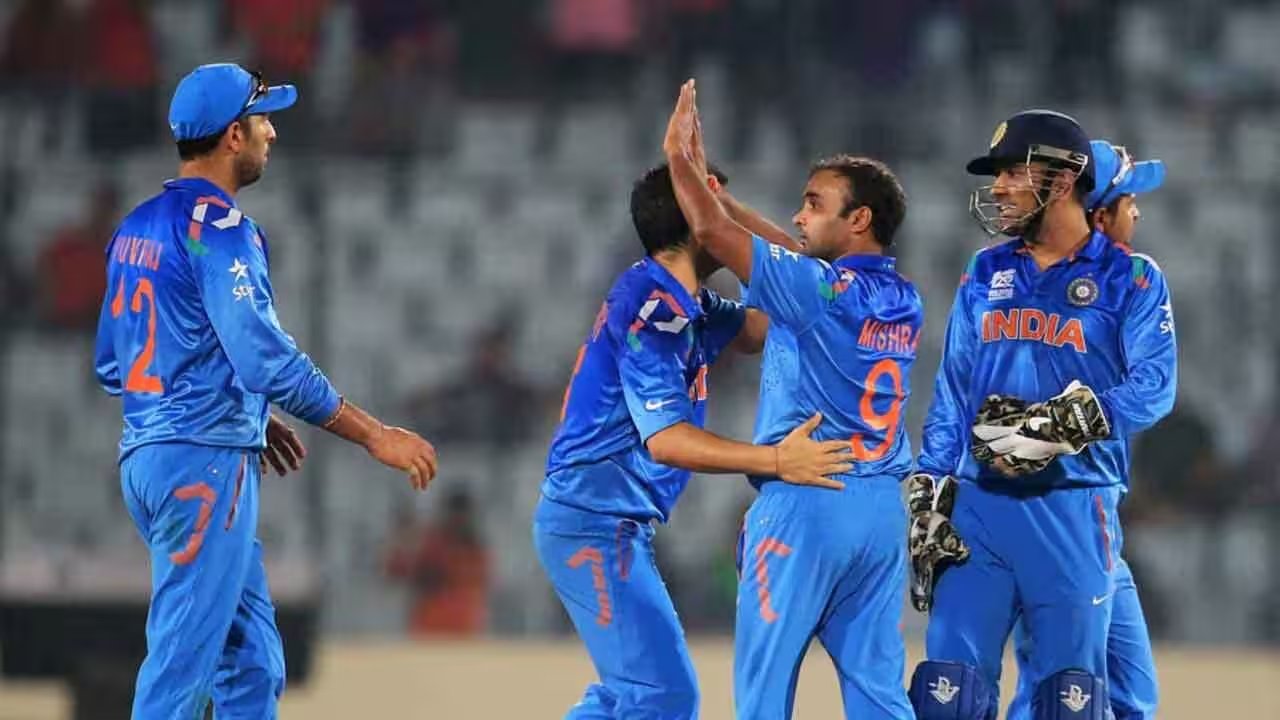
Amit Mishra has pulled back the curtain on a dark chapter of his career that few outsiders knew about. The leg-spinner, who made his Test debut in 2003, revealed in an interview with Aakash Chopra that he suffered from depression for 18 months after being dropped from the Indian team.
It wasn’t just about missing out on games. It was the confusion that ate him alive. Mishra found himself excluded from the Duleep Trophy and the India A zonal setup, yet he kept playing domestic cricket without understanding why the selectors were bypassing him. “I kept thinking about what my mistake was,” he said. “I was playing everywhere, but the only question in my mind was that, ‘what did I do wrong?’”
The breakthrough came when a selector had a direct conversation with him. The feedback was blunt: he wasn't performing. That single realization shifted his mindset entirely. He stopped obsessing over the India jersey and started focusing on his output in the domestic circuit. He realized he was playing for India rather than playing well for his franchise.
That change in approach worked. His performances improved, and he earned his way back into the national setup in 2008, nearly five years after his debut. He went on to represent India in 22 Tests, 36 ODIs, and 10 T20Is, claiming 156 wickets across the formats.
Mishra’s story is a stark reminder of the mental toll of high-performance sport. While the stats are gone, the lesson remains: performance, not pedigree, is the only currency that matters when you're on the outside looking in.