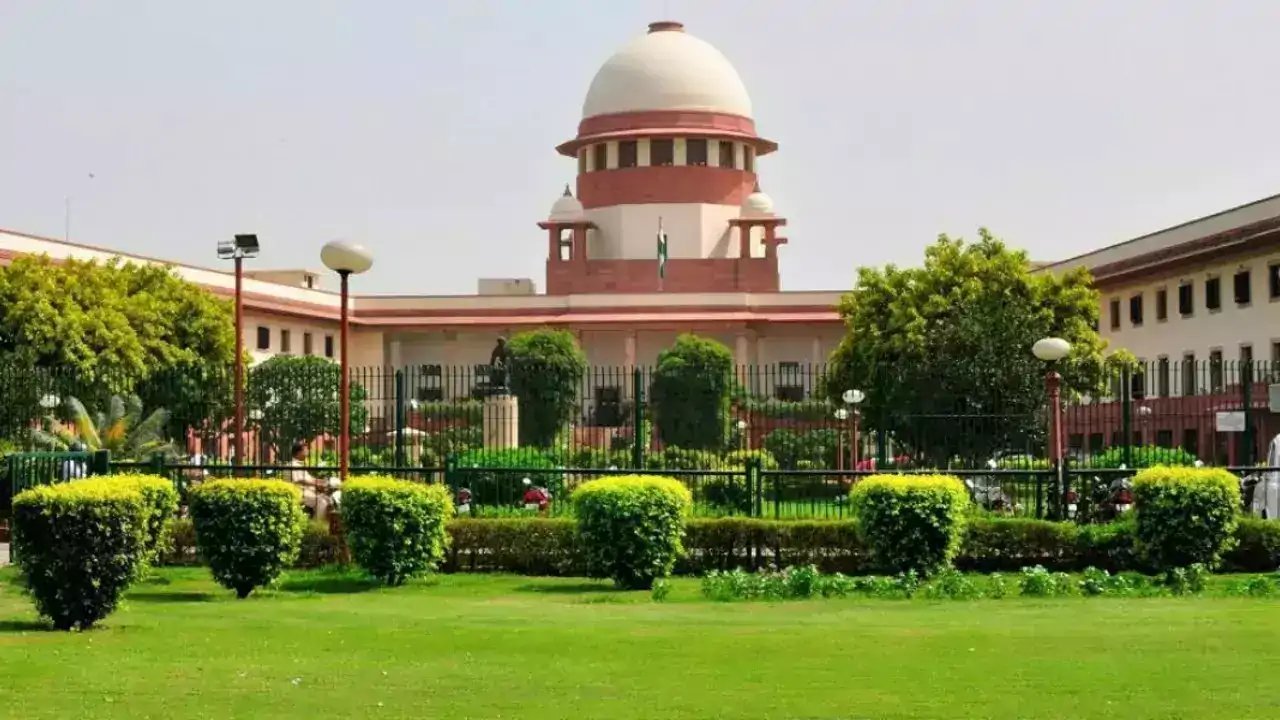
The Supreme Court dismissed the Union government's push to dilute its landmark OBC creamy layer verdict, ruling that parental salary alone cannot strip candidates of reservation benefits.
A two-judge bench comprising Justices PS Narasimha and R Mahadevan rejected the Centre's plea seeking prospective application of its March 11, 2026 judgment. The ruling firmly bars authorities from treating parental earnings in public sector undertakings (PSUs) or private firms as the sole benchmark for creamy-layer exclusion. Instead, government evaluators must assess the actual status and nature of parental employment. The Centre wanted the ruling cordoned off to future recruitment cycles. The bench refused.
"Since the process of allocation remains pending and there is no convincing or reasonable justification for deferring the implementation of the judgment dated 11.03.2026, the creamy layer principle, as interpreted in the said judgment, shall govern the allocation of services to OBC candidates selected through the Civil Services Examination, 2025," the bench held.
Yet the court built strict guardrails around its order to prevent administrative paralysis across central cadres. The judges clarified that granting consequential service allocations to qualifying candidates will not upset existing seniority lists or unwind concluded appointments. Addressing past selections, the bench referenced a December 20, 2016 Department of Personnel and Training (DoPT) clarification, which had expressly stipulated that selections under the Civil Services Examination, 2016 remained subject to the final outcome of these pending appeals.
For thousands of aspirants locked in administrative litigation, the road forward now narrows to the merits of each individual file. Adjudicating bodies, tribunals, and courts handling parallel challenges must evaluate pending creamy-layer claims strictly against the court's substantive test, while settled appointments from past cycles remain insulated from retrospective review.