Behind the headline, the real story lies in the split between domestic and overseas orders. Domestic sales hit 113,982 units, up 30.9%, while the international arm exploded to 21,132 units, a staggering 177.3% jump.
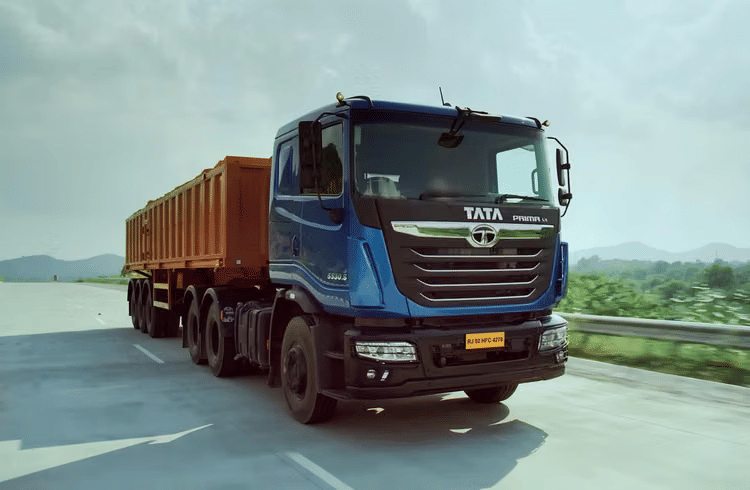
HCV trucks alone grew 40.3% to 33,756 units, outpacing the 24.4% rise in ILMCVs that reached 20,949 units. Passenger carriers saw a 35.2% climb to 15,455, and SCV & pickup volumes rose 26.2% to 43,822 units.
Electric‑vehicle volumes also surged, climbing 2.4 times year‑on‑year, though the exact headcount remains undisclosed. That jump underscores the growing shift toward electrified freight and logistics.
CEO Girish Wagh said the rebound stems from a mix of infrastructure projects, construction booms, and mining activity fueling HCV demand. ILMCVs are riding the e‑commerce, FMCG and two‑wheeler logistics wave, while SCVs benefit from consumption‑driven freight and pickups from last‑mile delivery.
On the policy front, rising commodity costs, diesel price swings, and potential interest‑rate hikes loom as watch‑points. Meanwhile, government capital expenditure, mining and construction drives, festive season spikes, and e‑commerce growth are expected to keep freight and transportation demand buoyant through FY27.
For buyers, the takeaway is that Tata’s commercial fleet is gaining traction faster than rivals, especially in the HCV segment. Keep an eye on upcoming electric‑truck launches and the company’s roadmap for expanding its HCV and ILMCV line‑ups as the market tightens.