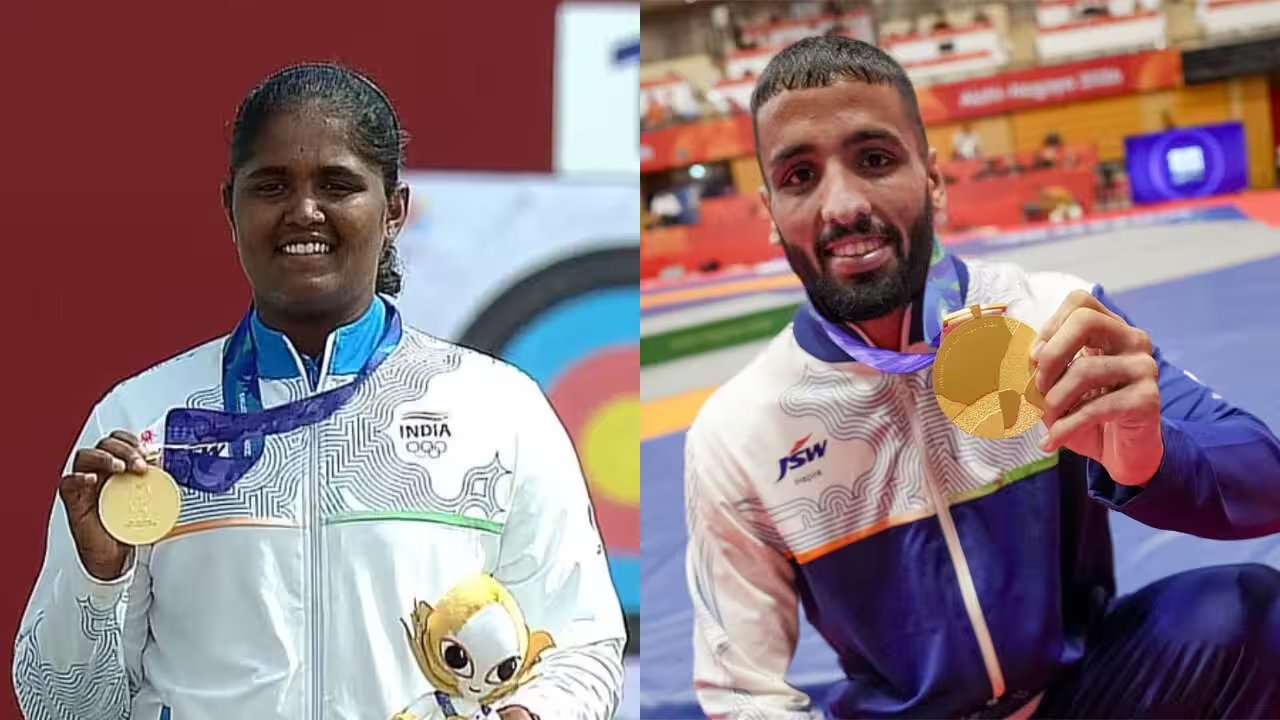
PT Usha just handed out the inaugural Jaspal Rana and Raja Randhir Singh Awards, and two names dominated the conversation in New Delhi. Kumkum Mohod and Sujeet Kalkal aren't just medalists; they’re the architects of India’s 85-medal campaign at the Aichi-Nagoya Asian Games. The Indian Olympic Association president didn’t mince words, calling them the standout figures from a tournament where India bagged 21 golds, 27 silvers, and 37 bronzes to finish fourth overall.
Mohod, a 17-year-old debutant, did something no Indian archer has done in a decade. She cracked the South Korean monopoly. Along with Ankita Bhakat and Kirti, she clinched the women’s recurve team gold, snapping a seven-consecutive-title streak that had held since 1998. Then, she went solo. Her individual gold meant no South Korean woman took home the recurve title for the first time in the discipline’s history at the Asian Games. That win also locked in a quota spot for Los Angeles 2028. Usha drew a direct line to the late Jaspal Rana, noting that Mohod’s composure under pressure suggests Indian archery finally broke through its glass ceiling.
On the mat, Sujeet Kalkal delivered a story that feels scripted. The 23-year-old wrestled his way to the 65kg freestyle final, beating Olympic champion Kotaro Kiyooka in the semis. But the final against Abdulmazhid Kudiyev? Pure drama. Down 2-9 with the clock ticking, Kalkal refused to tap out. He rallied to win 10-9, adding his name to the list of 65kg Asian Games champions alongside Yogeshwar Dutt and Bajrang Punia. Usha called it “never-say-die,” hinting that this gold is just the warm-up for an Olympic gold in two years.
The IOA will hold a formal felicitation ceremony in the coming days to honor both athletes. For now, the focus shifts to building on this momentum. India’s archery and wrestling squads are no longer knocking on the door; they’re walking through it.