The Wisconsin Department of Natural Resources (DNR) moved to lock down 1,800 acres of forest in Langlade County on Wednesday, securing a $1.6 million conservation easement that will permanently block development. The Natural Resources Board approved the purchase, a move that keeps the land in private hands while opening nearly 1,500 acres to the public for hiking, hunting, and fishing. The Braun family, specifically Braun Woodlands II, LLC and the Frederic H.T. Braun Grandchildren Irrevocable Trust, will retain ownership and manage the timber operations.
Ron Gropp, the DNR’s forest legacy programme coordinator, told the board that the family acted out of urgency. Development is encroaching from all sides, including a concentrated animal feeding operation located less than half a mile from the property. "They just really feel deeply about this property being protected," Gropp said. The family decided to protect the land before it could be broken up by surrounding expansion.
The funding is a patchwork. Nearly $1.3 million comes from a federal grant and Wisconsin’s Warren Knowles-Gaylord Nelson Stewardship Programme, though that state program expired in June. The DNR argues the money was already restricted to this specific contract before the expiry. The Ice Age Trail Alliance plans to chip in approximately $330,000, subject to board approval. Kevin Thusius, the alliance’s senior director of field operations, emphasized the dual benefit: the family keeps their timber legacy, and the state protects the trail.
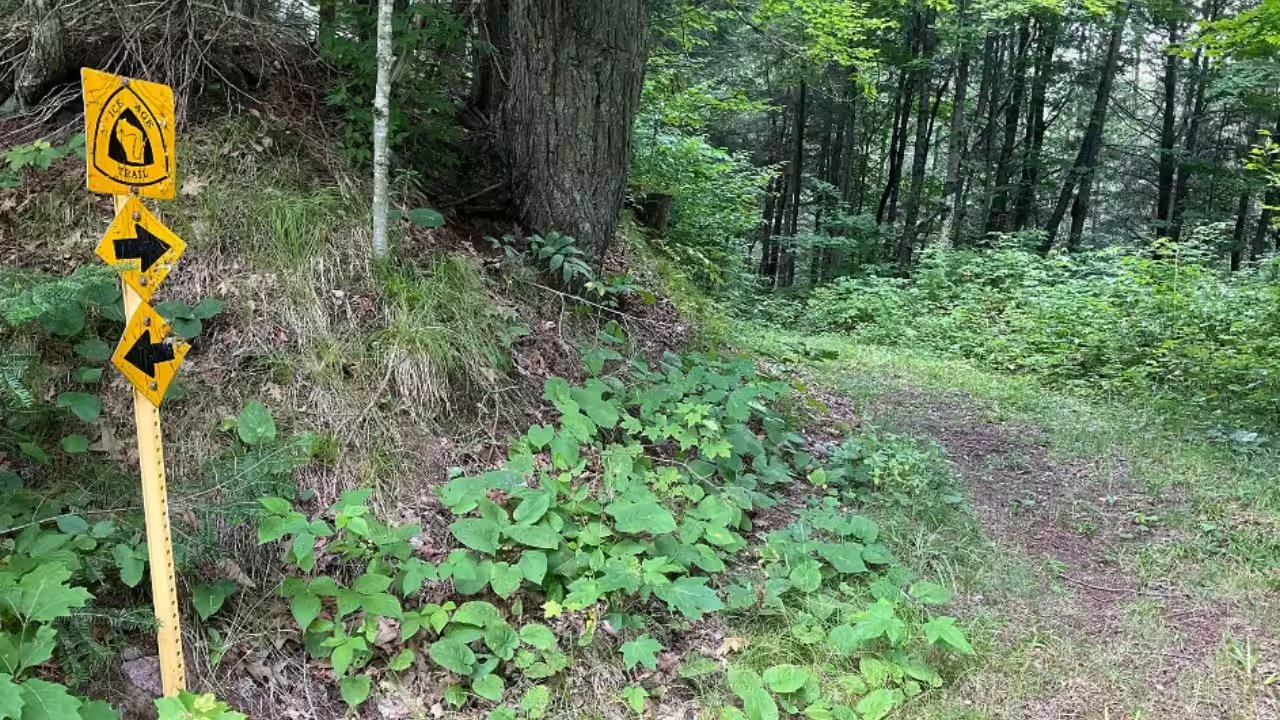
The property is more than just trees. Wood from the forest feeds directly into the Robbins Sports Surfaces manufacturing plant in White Lake. Under the new deal, 220 acres currently in the Managed Forest Law programme will open to the public, while 320 acres on the western side will remain closed. The easement also safeguards over a mile of the existing Ice Age National Scenic Trail, with the Alliance planning to add two more miles where no path currently exists.
The final step rests with the US Forest Service. The DNR is waiting for approval of the federal Forest Legacy grant, which is not expected until early next year. Until then, the land remains vulnerable to the surrounding pressure, but the legal framework to stop it is now in place.