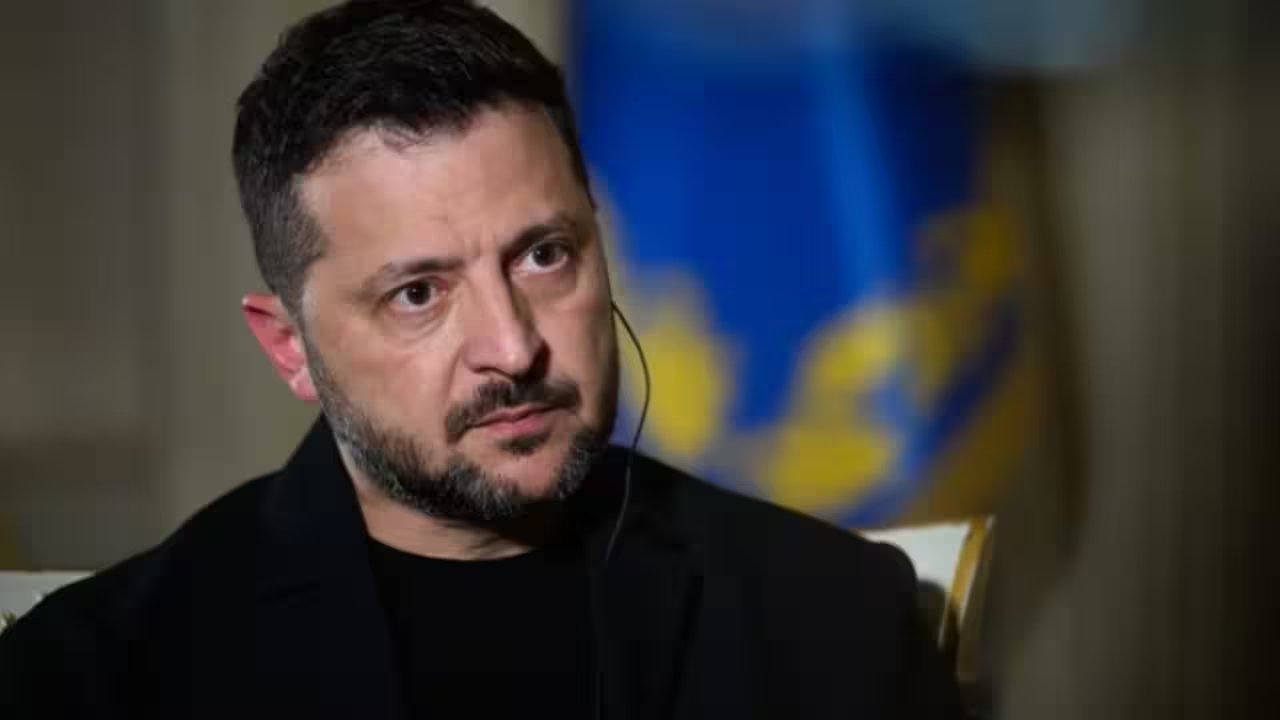
Zelenskyy blasted the Trump‑Russia diesel swap as a cynical move that would hand cash back to Moscow. He said the agreement would never offset the cost of the Strait of Hormuz blockade, but it would inflate Putin’s war budget. The Ukrainian leader slammed the deal as a "parody" of genuine peace talks, noting that Russia’s interest in negotiations remains feigned.
Trump’s package, signed on 12 September 2023, involves the United States selling 1.5 million tonnes of diesel to Russia for $3 billion, with the U.S. receiving a 20 percent revenue share. Analysts say the revenue stream could boost Moscow’s war‑financing by up to 15 percent of its current budget. The deal also sidesteps sanctions by routing fuel through third‑country intermediaries.
Zelenskyy accused President Vladimir Putin of playing with words, emphasising that the Kremlin’s “security zone” along Ukraine’s eastern border is non‑negotiable and a direct response to alleged Ukrainian incursions into Kursk. He warned that any future talks would be undermined by Russia’s unilateral demands. The Ukrainian president called the move a "strategic mockery" of diplomatic resolve.
European leaders rallied behind Zelenskyy’s stance, with France’s President Emmanuel Macron and Germany’s Chancellor Olaf Scholz pledging to increase military aid. The summit concluded with a unanimous call for an additional 70 billion euros of defence funding, aimed at procuring air‑defence systems and modern artillery. The European Council announced a provisional budget that will be finalized in the upcoming parliamentary session.
For civilians, the stakes are tangible: a mother in Lviv has lost three siblings to shelling, and her family now relies on the promised aid to secure food and shelter. A 32‑year‑old mechanic from Donetsk, who was displaced last year, said the new funding could mean the difference between a return to normal life or another year of uncertainty.
The EU is set to vote on the revised defence budget next month, with the United Kingdom expected to confirm its support. If approved, the funds will be channeled to Ukraine’s procurement programmes, bolstering its frontline capabilities and potentially reshaping the strategic balance on the eastern front.