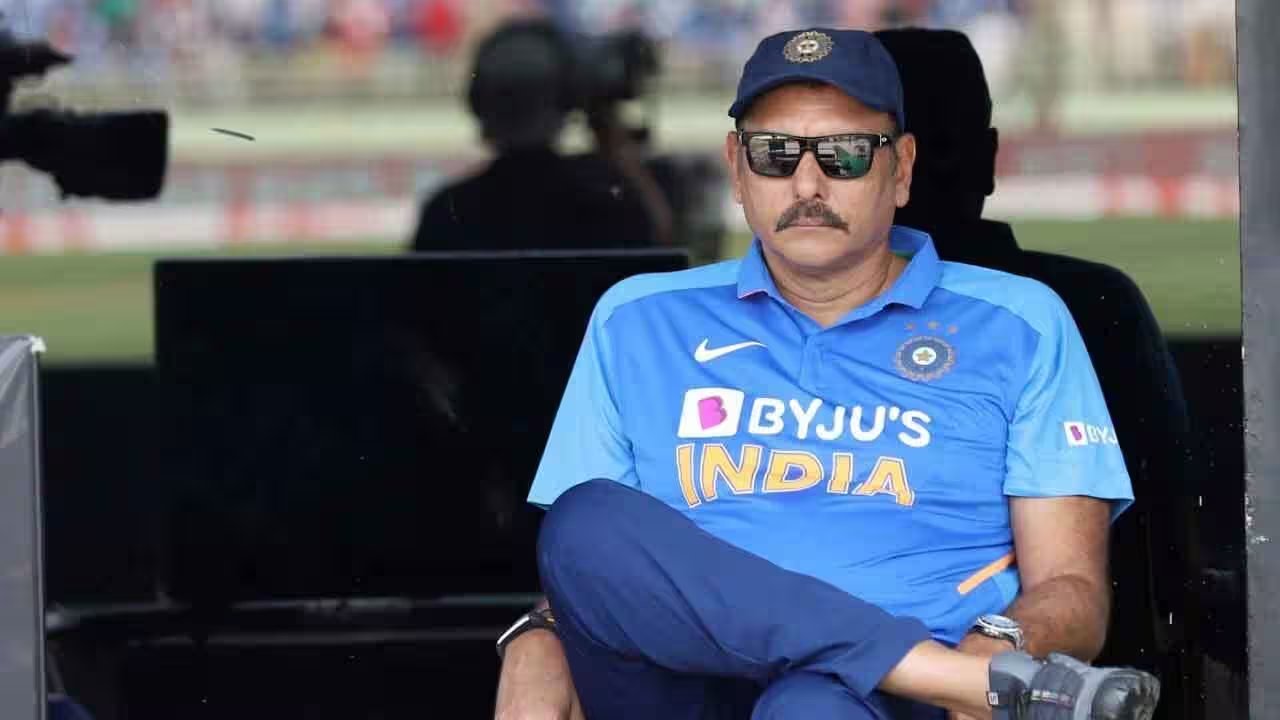
Coaching Team India carries a brutal, unrelenting weight. You hold neither bat nor ball. Once the playing eleven stride past the boundary rope, tactical control evaporates into thin air.
Ravi Shastri laid that stark reality bare in an interview with broadcaster Ian Smith, placing his dugout stint well above playing and television commentary on the stress scale. The pressure never eased. "You always have the gun to your head," Shastri said. "See, no, because you have nothing in your control once the players leave and get onto the field. You have the bat, ball when you're playing, the mic when you're broadcasting. But once the players go out, you know, you can only twiddle your thumbs."
Public expectations demanded absolute perfection across every format. "COVID, no COVID, you got to win, you know, game after game," Shastri noted. "So there's no hiding behind that." But surviving that crucible brought unmatched vindication. "If you pull it off and you're successful, I mean, then the rewards, it's very rewarding. Gives you tons of respect. And, you know, makes you enjoy what you're doing and gives you that kind of job satisfaction with nothing else gave you."
Shastri took charge of the national dressing room in July 2017, remaining at the helm until November 2021. Those four years reshaped India’s overseas red-ball reputation. In 2018-19, Virat Kohli's touring side captured the Border-Gavaskar Trophy 2-1, securing India’s first-ever Test series triumph on Australian soil. Two summers later, Shastri supervised an injury-battered reserve squad that repeated the 2-1 scoreline Down Under, breaching the Gabba fortress in January 2021.
Beyond the bilateral conquests, India dominated world rankings. The side sat atop the ICC Test rankings for 42 consecutive months, punched tickets to the inaugural World Test Championship final in Southampton in 2021, and marched into the semi-finals of the 50-over World Cup in England in 2019.
Having vacated the national dugout, Shastri stepped straight back into the television booth. Cricket remains his lifelong pulse. While other commercial avenues beckoned over the decades, the former India all-rounder insisted that deep emotional investment alone fuels longevity behind the mic.
"The only way we can hang in here is if we are passionate about the game," Shastri said. Without that genuine appetite, he argued, the grind of calling high-stakes tournament finals evaporates. For now, Shastri continues his globetrotting broadcasting rounds, dissecting the modern game from the gantry rather than the boundary line.