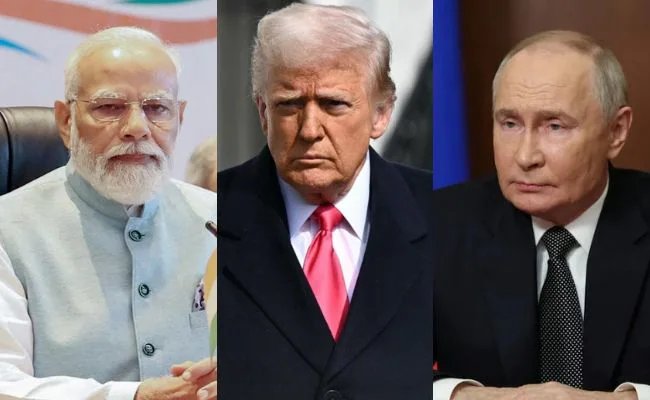
The House approved the Lindsey O. Graham Sanctioning Russia and Iran Act 262‑159, granting President Trump the power to impose import duties on Russian energy, with India among the named recipients.
The legislation, originally drafted by White House lawyers, includes provisions targeting Russia’s leadership, its energy sector, and the shadow fleet that facilitates evasion of existing sanctions.
Democratic Congressman Steny Hoyer pushed an amendment that explicitly names ten countries, such as China, India, and the UAE, as eligible for the authority, though it stops short of mandating a 100% duty on India itself.
The bill’s passage followed a tense debate; 58 Democrats broke with House leader Hakeem Jeffries, while 203 Republicans voted in favor and seven opposed.
Economic analysts warn the potential tariff escalations could dent India’s growth outlook; Chief Economist Aditi Nayar of ICRA Ltd. cautioned that any increase in U.S. duties would add uncertainty to New Delhi’s trade balance.
The final step hinges on President Trump’s signature; if enacted, the administration could activate the tariff powers within days, subject to his discretion.
In the streets of Mumbai, a small oil importer named Rajesh Patel, who has been sourcing Russian crude for the past year, fears that a sudden duty hike could shutter his operations, illustrating the human cost of geopolitical trade wars.