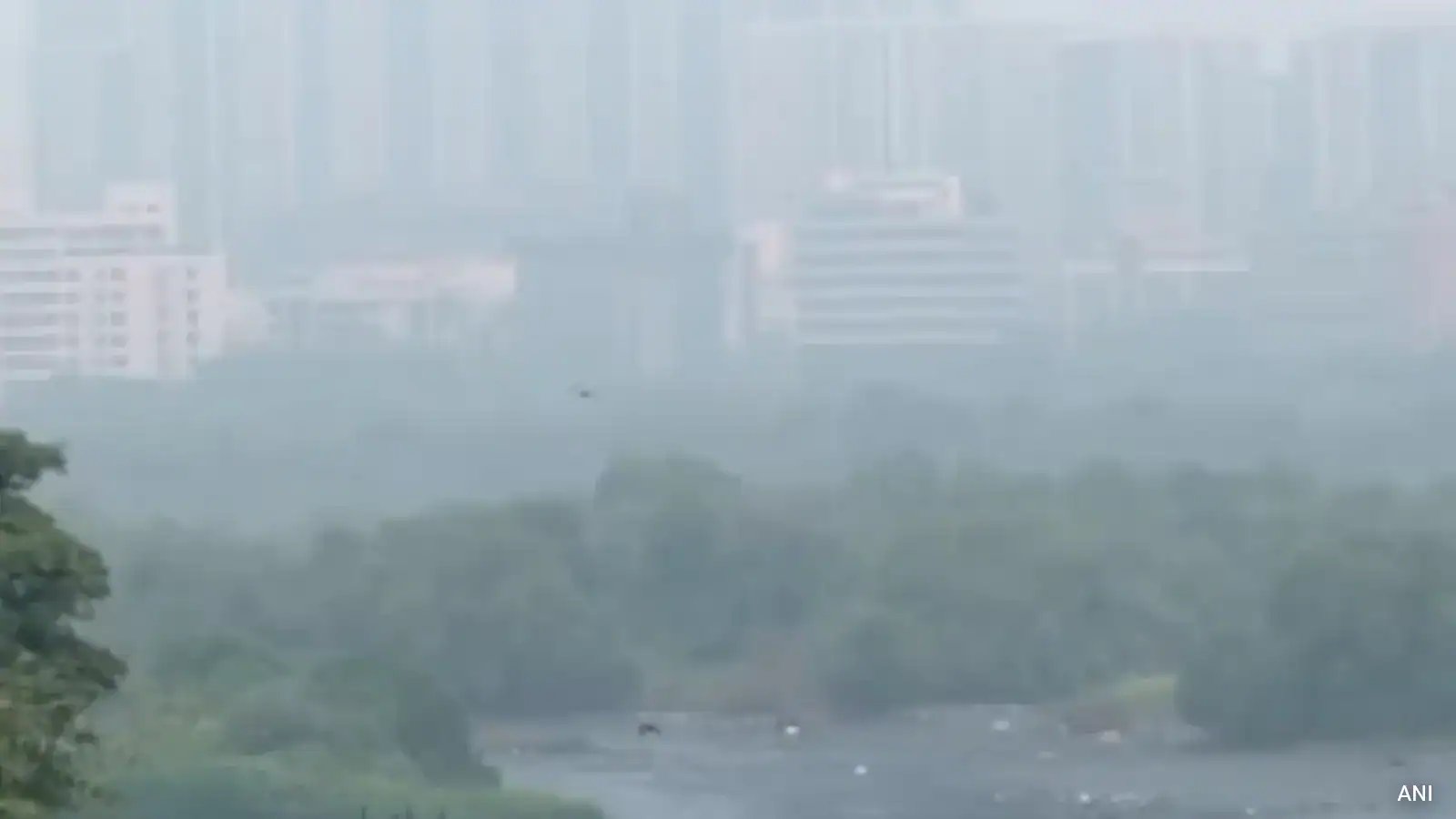
The Bandra Kurla Complex was shrouded in a thick blanket of smog on Saturday, a stark reminder that Mumbai logged 231 days in the ‘Good’ and ‘Satisfactory’ air‑quality categories this year, up from 218 in 2025. The BMC noted that PM10 levels fell 48% from 2017‑18 to 2025‑26, the sharpest decline in a decade.
The council’s 28‑point guidelines now mandate construction‑site inspections, road‑dust control, and waste‑management protocols. A total of 76 ward‑level squads conduct surprise checks, each required to visit at least two sites daily and follow up on identified pollution hotspots.
Sensor‑based monitors are compulsory at 3,166 construction sites, feeding data to a central dashboard that tracks real‑time readings. Meanwhile, 29 multipurpose vehicles perform deep‑cleaning sweeps, and construction vehicles must keep their wheels washed and covered before entering public roads.
Bakeries, which contribute about 3.5% of Mumbai’s particulate matter, are under scrutiny: 209 already use cleaner fuels, 175 have switched, 69 are converting, 87 remain non‑compliant, and eight have closed. The BMC has also installed control devices at 10 crematoria and monitors open‑burning hotspots.
For the coming winter, the council unveiled a Winter Air‑Pollution Mitigation and Enforcement Plan covering construction compliance, road dust, open burning, and vehicle checks. Public awareness campaigns will run on the dangers of firecrackers on public roads.
The next step: BMC will issue show‑cause notices to the 87 non‑compliant bakeries and will enforce stop‑work orders on any sites that fail to meet the new guidelines within the coming weeks.