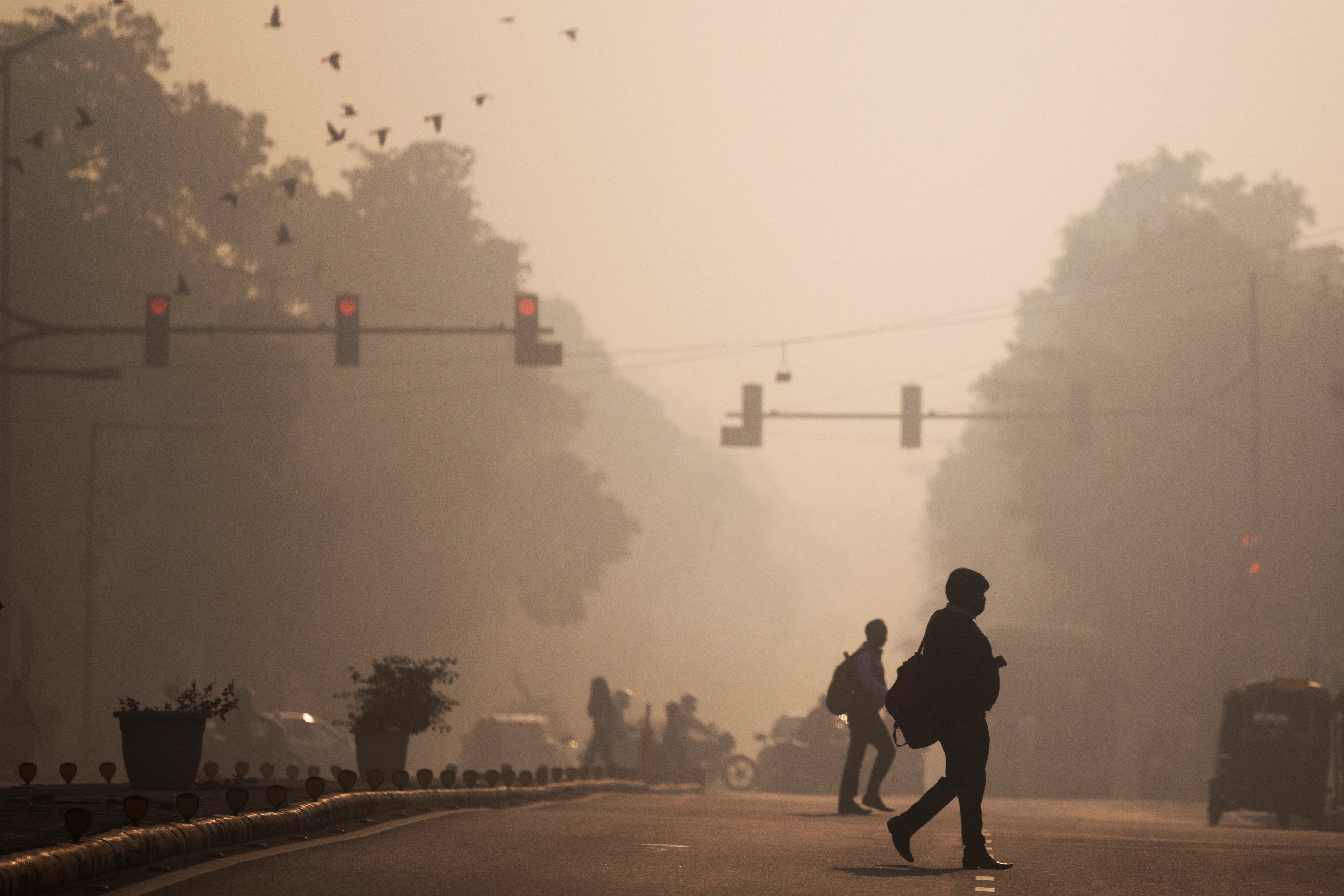
Delhi rolled out its 2026‑27 Winter Action Plan on Tuesday, announcing a 500‑station network of automatic number‑plate‑recognition‑enabled fuel outlets that will enforce a "No PUCC, No Fuel" rule from October 1. Non‑BS‑VI vehicles will be barred from the city from November 1 to January 31, while a full construction‑and‑demolition ban will run from December 10 to January 20. The plan also doubles parking charges, mandates 50 per cent work‑from‑home for state employees, and introduces an AI‑driven Command Centre to monitor real‑time air‑quality hotspots.
Environmentalist Bhavreen Kandhari slammed the initiative as a "paper plan" that simply rehashes the Graded Response Action Plan. "Delhi does not need another winter ritual of announcing restrictions," she told reporters, adding that the city must enforce every missed compliance on the ground. Analyst Manoj Kumar of the Centre for Research on Energy and Clean Air highlighted a scientific shortfall: the plan focuses mainly on PM10 and dust, yet PM2.5—formed from vehicular and industrial gases—remains unchecked.
The Ministry of Environment, Climate Change and Forests said the plan is a seasonal band‑aid but will lay the groundwork for a sustained fight against winter smog. It added that AI‑enabled monitoring will enable quicker response to spikes in pollution levels and that the Commission for Air Quality Management (CAQM) will oversee enforcement.
Despite the government's assurances, experts warn that unless each agency receives clear authority, training, and measurable targets, the plan will again become a symptom‑management exercise rather than a root‑cause solution. The CAQM will begin monitoring compliance next month, and the outcome will be judged by a measurable drop in PM2.5 concentrations across the NCR.