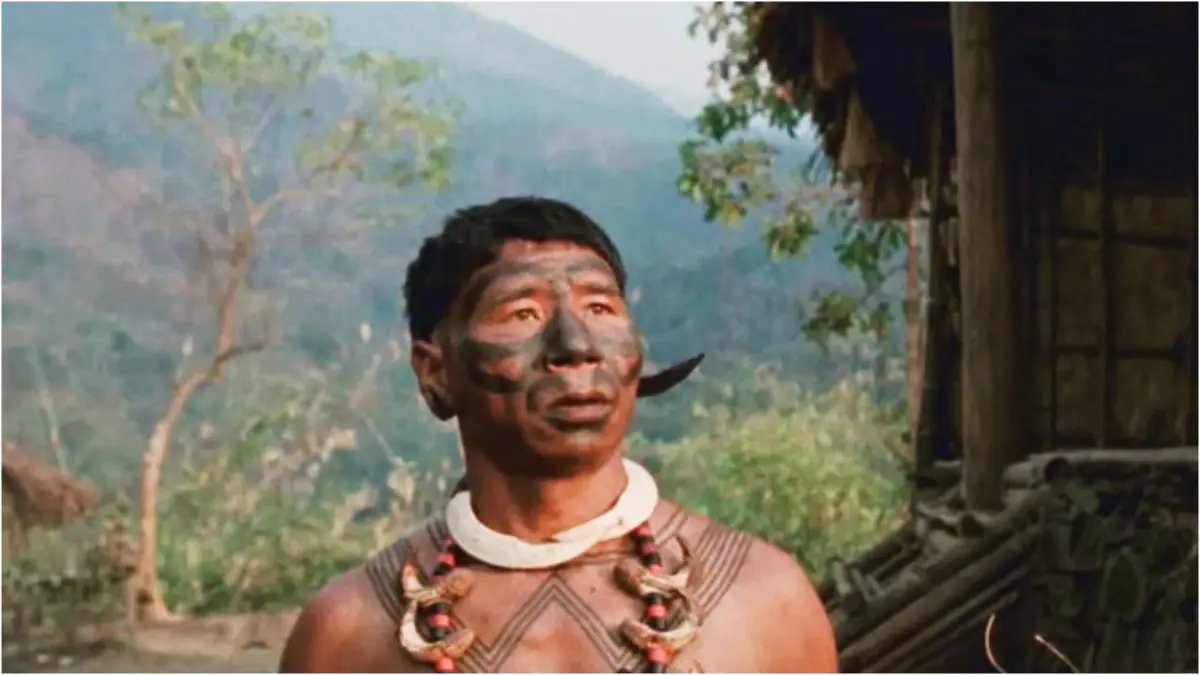
Theja Rio’s debut feature doesn’t just echo the 31‑year‑old director’s earlier short; it amplifies it, turning a personal vision into a cinematic milestone. Set in a 1960s Nagaland village, the film is a near‑complete Konyak dialogue, a linguistic rarity that feels like a cultural time‑machine.
Producer Nancy Nisa Beso, who sat through the long journey of Angh, said, "We’ve carried this story with us for years. It’s a testament to our people and our land." Her words echo the film’s insistence on telling an untold story on its own terms.
Rio himself added, "Seeing Angh resonate beyond our community is deeply moving. The Platform jury praised its fresh perspective and raw emotion, and now the Academy will recognize it.” The film’s narrative—an incursion of missionaries threatening a secluded village—touches on themes of faith, identity and survival.
The Academy’s decision to accept competition winners from six global festivals, including TIFF, marks a new era for international cinema. Angh’s selection signals that a debut film from an under‑represented region can compete on the world’s biggest stage.
Meanwhile, India’s other Oscar hopeful, Santosh Davakhar’s Marathi thriller Gondhal, will also vie for the International Feature Film prize. The country’s growing presence at the Oscars underscores a broader push to showcase diverse Indian voices.
The next chapter? Angh will premiere at the 99th Academy Awards, potentially opening doors for more Konyak stories. The film’s journey from a small short to a global platform reminds us that cinema’s power lies in authenticity, not polish.