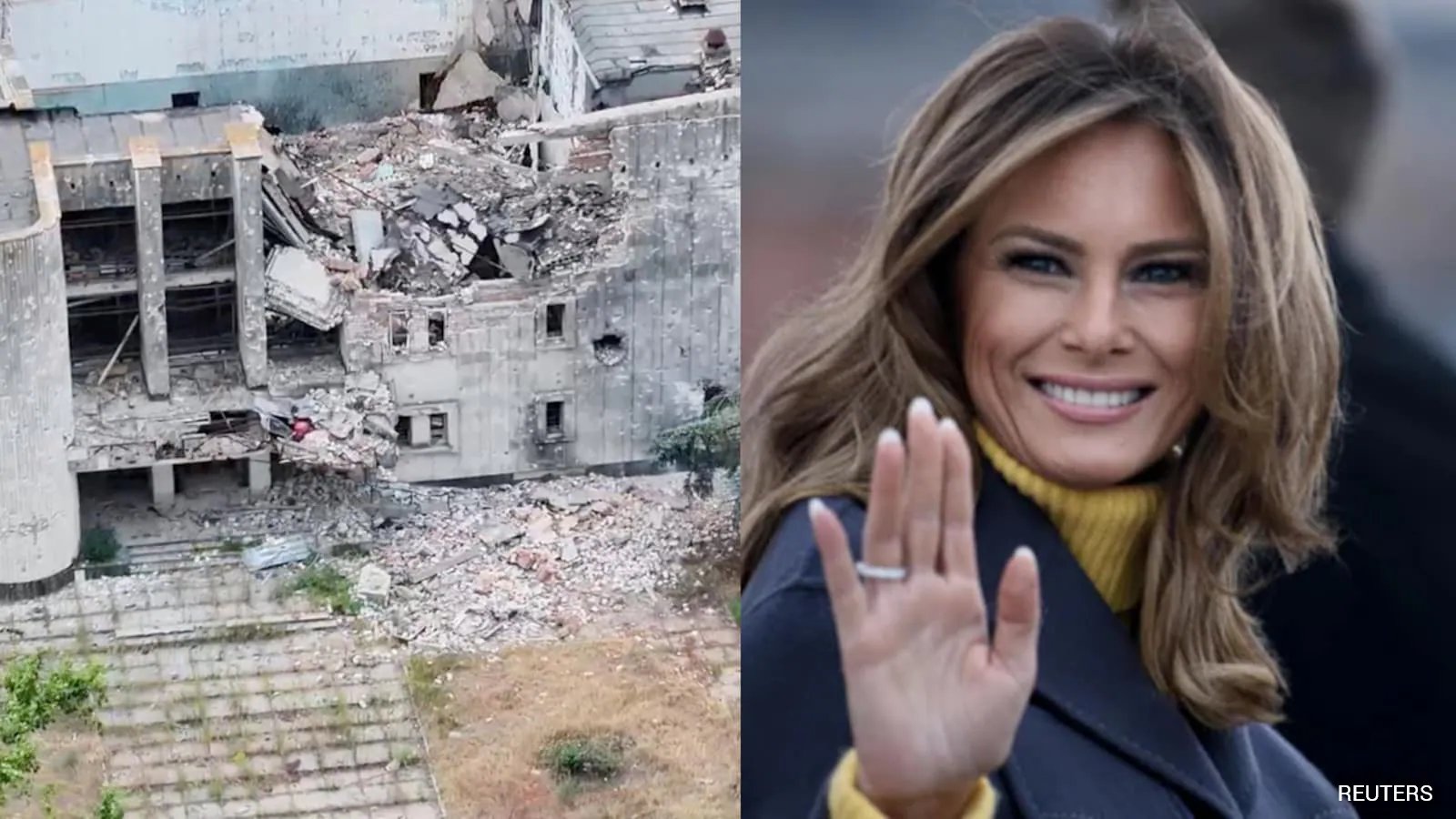
Melania Trump announced the truce on Tuesday, citing a 3‑hour pause that began at 3:00 a.m. local time in Oleshky, a town held by Russian forces since 2022. The agreement, announced by the First Lady last week, was confirmed by Russia’s defence ministry, which pledged to halt fire in the Kherson sector for the duration.
The town’s population has collapsed from roughly 24,000 before the invasion to about 2,000 now, including up to 50 children, according to Ukrainian and U.S. estimates. Residents report severe shortages of food and medicine, with some forced to hunt pigeons or rely on garden produce to survive.
Ukrainian military officials said they would "do everything possible" to assist Oleshky’s civilians and ensure their safety. They released drone footage showing charred apartment blocks and empty streets, while Russian sources claimed most residents who wanted to leave had already done so voluntarily.
The ceasefire’s scope remains limited; neither side has named a monitoring body, nor clarified how long it will last. The Russian army chief, Valery Gerasimov, said humanitarian convoys would be allowed to pass safely, but details on aid delivery remain sparse.
A three‑way meeting between Washington, Moscow and Kyiv is slated for November, marking a return to talks after a months‑long hiatus. The truce in Oleshky is seen as a precursor to broader negotiations, with observers from Newsmax reportedly granted access to the city.
For many Oleshky residents, the pause offers a sliver of hope: a displaced mother says she hopes the brief truce will let her family access medical supplies before they are forced to leave again.
The next phase will see diplomatic channels open for a broader ceasefire, with the U.S. encouraging both sides to adhere to the 3‑hour window and to facilitate humanitarian corridors.