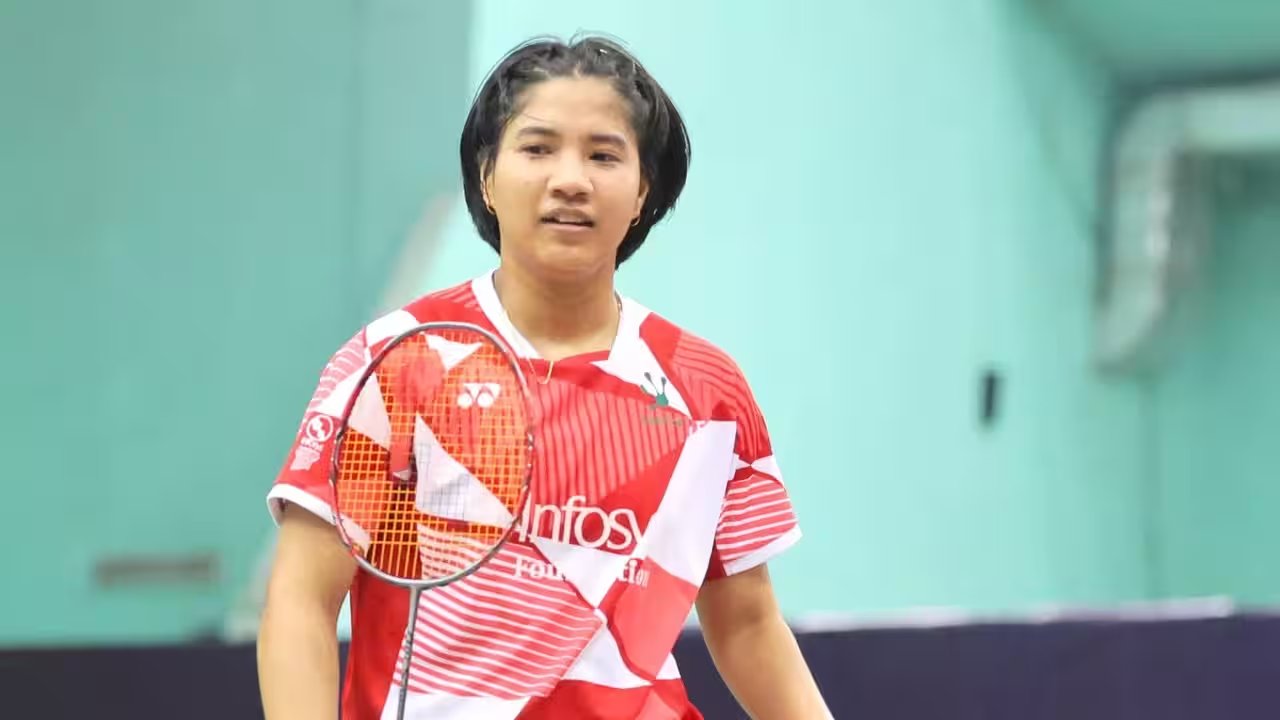
Isharani Baruah’s name just popped up in the squad list for Aichi‑Nagoya, and it felt like a victory in itself. She’s 22, hails from Dibrugarh, and has worked her way up from local courts to the national spotlight.
The path to this point was almost accidental. A neighbour spotted her energy on the neighbourhood fields and nudged her mother to try badminton. No family pedigree, no fancy academies, just a racquet, a dream, and a lot of grit.
Now she’s up against a lineup that includes two‑time Olympic medallist PV Sindhu and the emerging duo of Treesa Jolly and Gayatri Gopichand. It’s a mix of seasoned experience and fresh talent, and Isharani is the bridge between the two.
She told us that reaching the Super 750 and Super 1000 events is a ladder: you start in the 100s and 300s, earn points, and then face the big guns. “Beating Chinese and Japanese players there builds confidence before the bigger tournaments,” she says.
What’s changed for her isn’t just technique; it’s mental. She used to tighten up after a mistake, but now she smiles, talks to her coaches, and treats composure as a core part of her game plan. “Enjoy the play,” she says, “and never let a mistake turn into tension.”
Her selection doesn’t just add depth to the squad; it sends a clear message that India’s badminton future is being forged in places like Assam. Next up: the Asian Games opening day, where she will be on the court, ready to test herself against the continent’s best.