Corn buntings, red-listed in the UK and down 83% since 1967, are staging a dramatic comeback on working farmland. Over the past decade, their population around Martin Down, on the Hampshire-Dorset border, has surged by 346%. Grey partridges in the same cluster are up 147%. Butterfly abundance has climbed 183%. It's a stark reversal for a landscape that has typically seen species disappear.
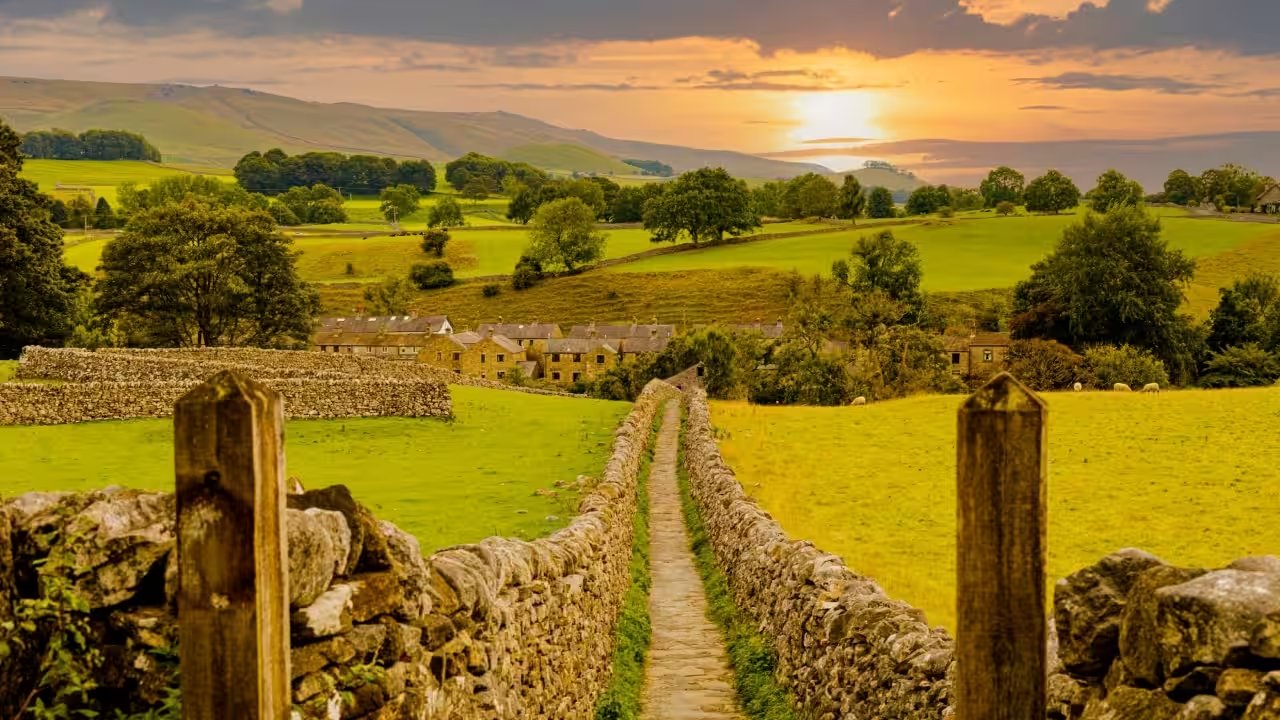
This isn't happening in a nature reserve. It's happening on 13,500 hectares of active agricultural land—roughly 1.3 times the size of Paris—managed by the Martin Down and Allenford Farmer Clusters. The Game & Wildlife Conservation Trust (GWCT) developed this model in 2012, recognizing that wildlife ignores farm boundaries. If one farmer plants a flower strip, it's useless without neighbors doing the same. The clusters coordinated to create connected habitats, ensuring the landscape works as a single unit for pollinators and birds.
The collaboration extends beyond just planting flowers. At Martin Down, farmers have established over 100 hectares of new grass and flower margins and doubled the number of water scrapes for turtle doves. They also manage 600 hectares specifically to support grey partridges, with gamekeepers handling predation. At Allenford, spanning Hampshire and Wiltshire, grey partridge breeding pairs jumped from seven in 2016 to 26 by spring 2025, a 271% leap. Bumblebee species are up 25%, and two nationally scarce species were recorded.
Megan Lock, the GWCT senior farm environment adviser who facilitates both clusters, emphasizes that this model is the only viable solution to the biodiversity crisis. "Biodiversity recovery on a national scale will only be achieved with the right support for the farmers who together manage 72% of the UK," Lock told the report. She warned that nature reserves, covering just 8% of the country, cannot do the job alone. "There is currently no financial support for monitoring," she added. "Without it, we can’t see if the measures put in place..."
The farmers are funding much of this themselves, though agri-environment schemes provide critical support. Will Dickson, chair of the Allenford Cluster, called the results "encouraging" and said the group's enthusiasm is "contagious." Cathy Shepherd, chair of the Martin Down Cluster, praised Lock's "trusted relationship" with the farmers, noting that a top-down approach would have failed. The next step is clear: securing dedicated funding for long-term monitoring to prove this model can be replicated across the UK's 72% farmed landscape.