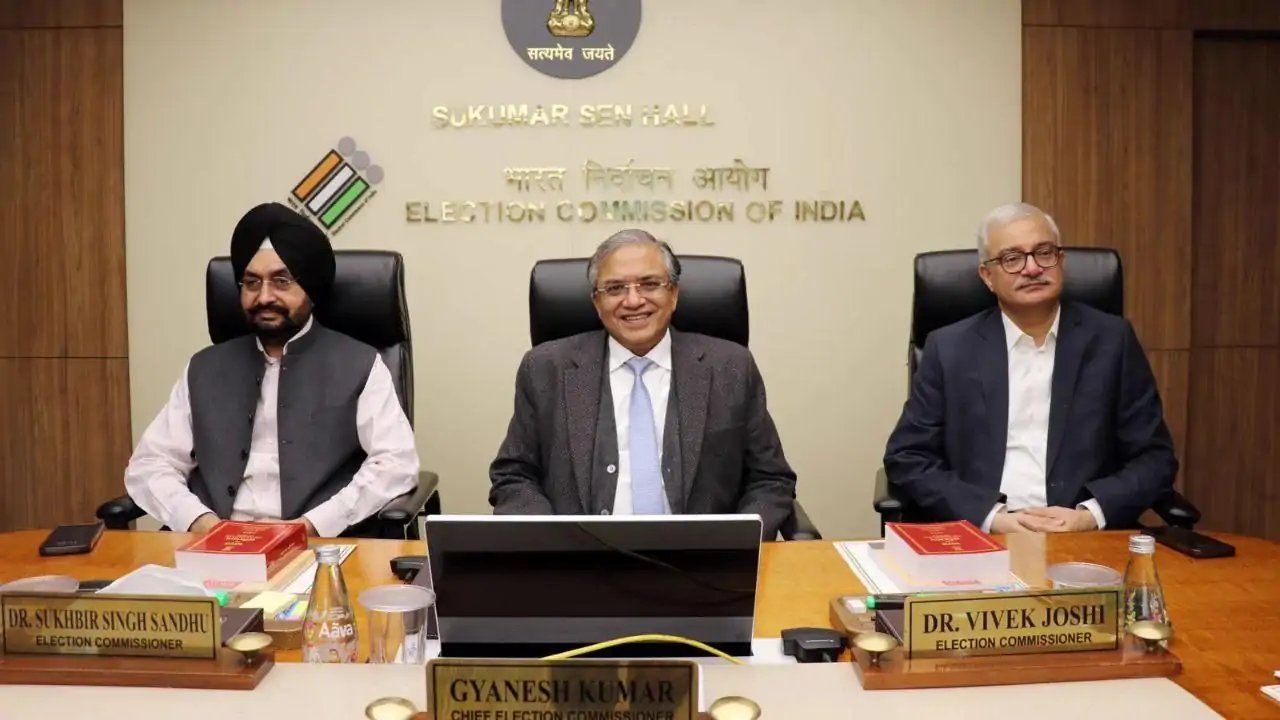
Rakesh Kumar Singh filed a petition on Monday in the Supreme Court, challenging Chief Election Commissioner Gyanesh Kumar’s recent directives that were issued without the assent of Commissioners Sukhbir Singh Sandhu and Vivek Joshi. The complaint contends that such unilateral orders violate the constitutional requirement that the three‑member Election Commission act only by consensus or majority.
The petition follows a similar appeal filed by Supreme Court advocate Shailendra Mani Tripathi earlier this week, which sought an inquiry into the Commission’s handling of the Special Intensive Revision (SIR) of electoral rolls and the alleged procedural lapses in updating Form 6. Commissioner Sandhu had previously recorded objections to changes made to the Form 6 template, questioning whether the revisions were carried out with adequate oversight.
Under the Election Commission Act, any decision that affects voter registration must receive unanimous approval from the Commission’s members. If a dissenting view exists, the body must follow the majority rule, ensuring transparency and accountability. The petition argues that Gyanesh Kumar bypassed this framework by enacting software modifications and filing appeals without notifying the other commissioners.
The Supreme Court has scheduled a hearing for next week, where it will decide whether the Commission’s procedural breach warrants an independent audit of the SIR process. If the court finds merit in the petition, it could order a comprehensive review of all recent electoral‑roll changes, potentially leading to reforms in how the Election Commission documents and approves its directives.