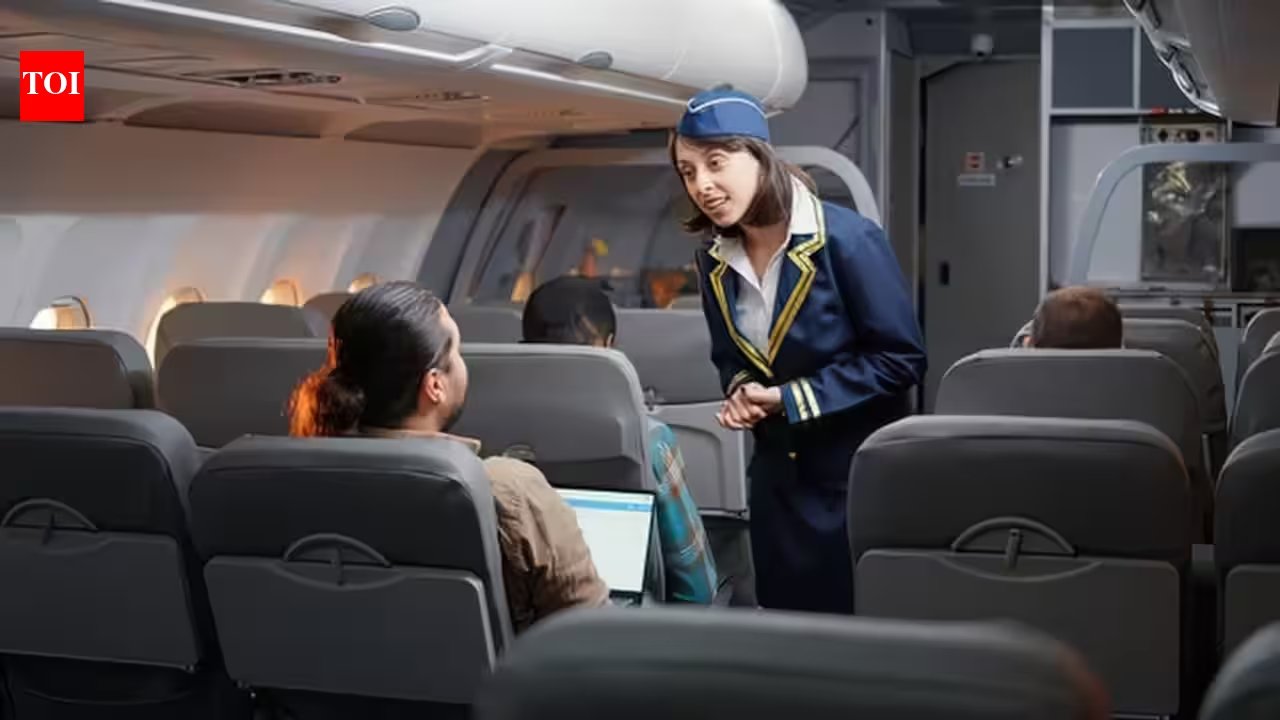
Cabin crew members do far more than hand out meal trays or check boarding passes. They scan the cabin. From the very second travelers cross the aircraft threshold, flight attendants execute rapid operational assessments to keep the journey secure.
Safety dictates every glance.
Veteran flight attendant Claude Burgniard long documented how silent observation underpins cabin management during high-stress operations. Every interaction at the cabin door serves as an initial safety filter. Crew members watch hands, eyes, and posture as passengers move down the narrow aisle.
The first physical checkpoint happens above the seat cushions. Attendants watch travelers hoist bulky roll-aboards into overhead lockers, stepping in when bags prove too heavy or when bins jam. Loose baggage creates severe cabin hazards during sudden turbulence, and crew members must verify that every overhead door clicks shut before the aircraft pushes back from the gate.
| Observation Focus | Crew Assessment Priority |
|---|---|
| Overhead Bins | Heavy baggage weight, stowage limits, and door closure clearance |
| Safety Compliance | Fastened lap belts, upright tray tables, and pre-departure protocol |
| Physical Demeanour | Signs of pale skin, distress, and early medical requirements |
| Travelling Families | Seating coordination, boarding support, and child assistance |
| Passenger Demeanour | Rudeness, compliance with instructions, and courtesy to crew |
And they monitor routine compliance without breaking stride. Crew members sweep the rows to confirm lap belts remain locked low and tight across hips. They scan tray tables to ensure latch hooks hold them flush against seatbacks before taxiing begins. These rapid inspections guard against impact injuries during critical phases of flight.
Attendants also run silent medical screenings. A traveler looking unusually pale, clammy, or visibly distressed immediately draws crew attention. Flight attendants train to recognize early symptoms of panic attacks, cardiac issues, or motion sickness before the aircraft leaves the tarmac, arranging medical assistance or oxygen gear while ground support remains alongside.
Families travelling with toddlers or infants receive immediate operational focus. Cabin workers identify parents juggling diaper bags, strollers, and restless children to arrange functional seating configurations and secure car seats quickly.
Politeness changes the entire cabin dynamic.
Hostile passengers who snap at staff or ignore safety briefings signal operational trouble early. Yet small acts of patience make demanding turnaround shifts manageable. Travelers who stow their bags swiftly, click their belts shut, and extend basic courtesy help flight attendants secure the cabin on schedule for departure.