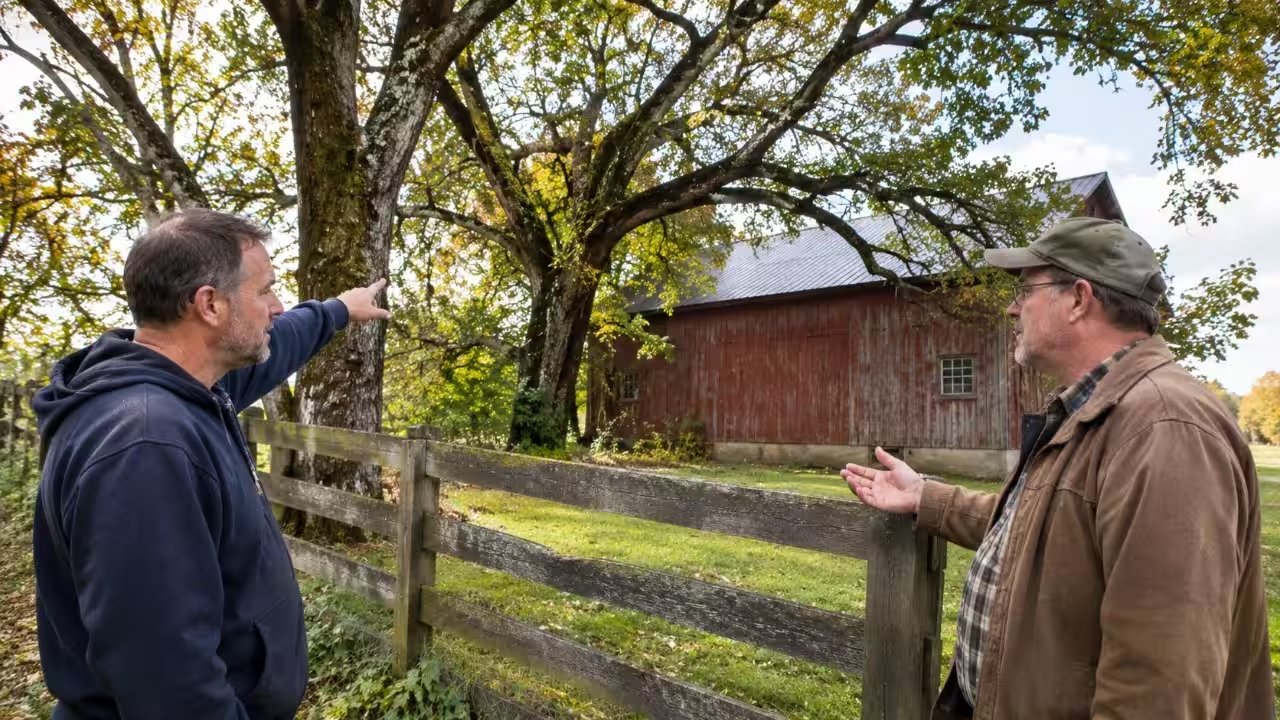
Seth Merle lost his legal battle on September 23 when the Michigan Court of Appeals struck down his attempt to sue neighbor Richard Hagopian for the second time over a cluster of trees. The judges ruled that Merle had already litigated the core issue—Hagopian's alleged negligence in maintaining the vegetation—in a previous small claims case, barring him from relitigating the same complaint. This decision effectively closes the courthouse door on Merle’s claim that the overhanging branches pose an imminent threat to his Livingston County barn.
The dispute began with a handshake deal gone wrong. Both men agreed to split the cost of tree removal, with Merle handling the logistics and each contributing $2,000. When the trees remained standing and Hagopian demanded his money back, the first lawsuit resolved the financial split but also adjudicated Merle’s claim that Hagopian was negligent. The lower court ordered Merle to return the $2,000 and rejected the allegation that Hagopian failed to care for the trees.
Merle argued in his appeal that the danger persisted because the trees were still there, essentially claiming that every passing day created a new cause of action. The appeals court dismissed this logic, noting that Merle had already raised the maintenance issue in the initial trial. By failing to win on negligence then, he could not simply file a new case because the trees hadn’t magically disappeared. The court criticized Merle’s tone in his filings but stood by the legal principle that finality in judgments prevents neighbors from using the courts as a perpetual weapon.
The judgment carries a stark warning for Merle: if those trees do fall on his barn, he will bear the cost of the damage. Hagopian’s legal team can now rest, knowing the matter is dead. For Merle, the only option left is to look at the horizon from his barn roof and hope the wind holds steady.