In 2017, a small group of volunteers packed just 10 backpacks with nonperishable food for students at a single elementary school in Atlanta. The bags were discreetly delivered to the school so children could take food home without drawing attention to their financial circumstances. It was a quiet start to a crisis response, but the gap in nutrition over the weekend was glaring.
Nine years later, the math is staggering. The organization, which became a registered 501(c)(3) nonprofit in 2022, now serves 2,625 children across 53 schools. That’s a 262-fold increase in reach. In April 2025, they delivered their one millionth meal—a milestone that required years of logistical work behind the scenes.
But what’s actually in these bags? It’s not just random canned goods. The meals are designed to be kid-friendly and shelf-stable, covering proteins, vegetables, breakfast items, fruits, and snacks. The goal is to close the nutritional gap when school meals aren't available, ensuring kids don't start Monday on an empty stomach.
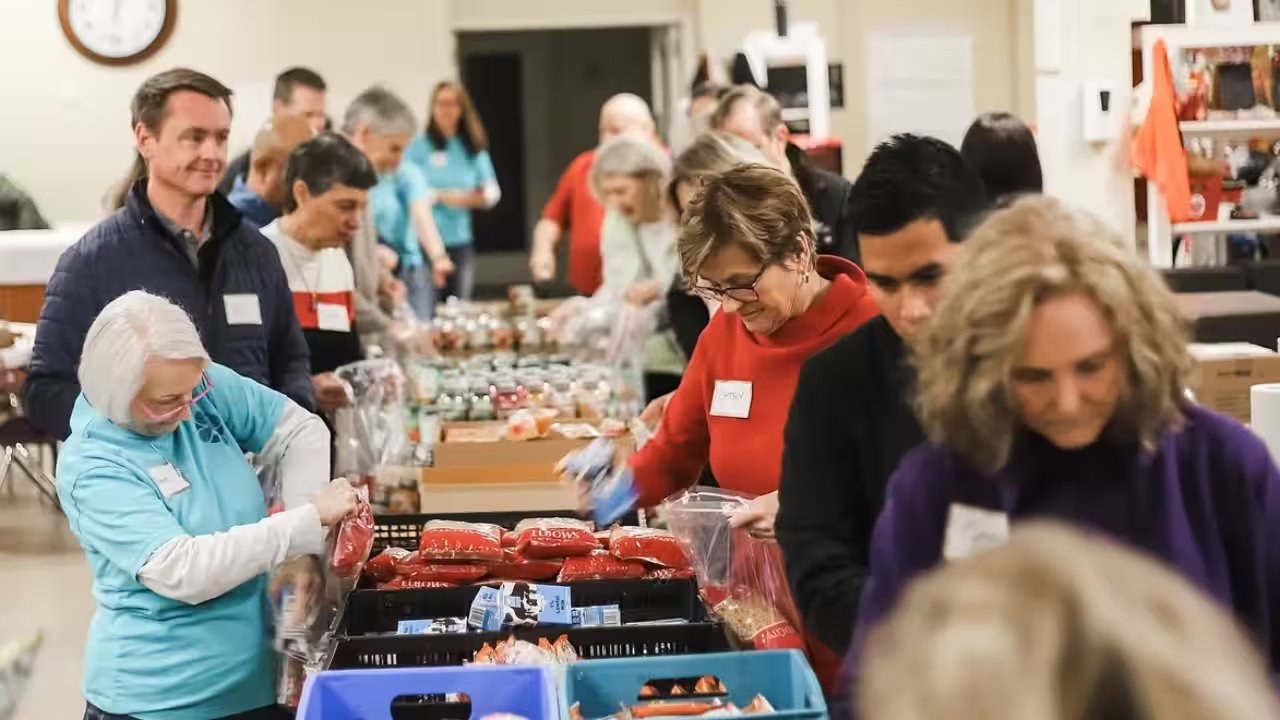
The operation runs on a decentralized model called "Community Buddies." Religious groups, civic organizations, and senior centers adopt specific schools, helping to pack and deliver these meals. This community-driven approach keeps the logistics manageable while spreading the financial and labor burden.
Scaling this network requires serious logistical muscle. With hundreds of volunteers working out of a warehouse in Dunwoody, the organization estimates that $250 can feed one child for every weekend of the school year. As demand grows across metro Atlanta, the need for new partnerships and funding remains the primary challenge to keeping these backpacks full.