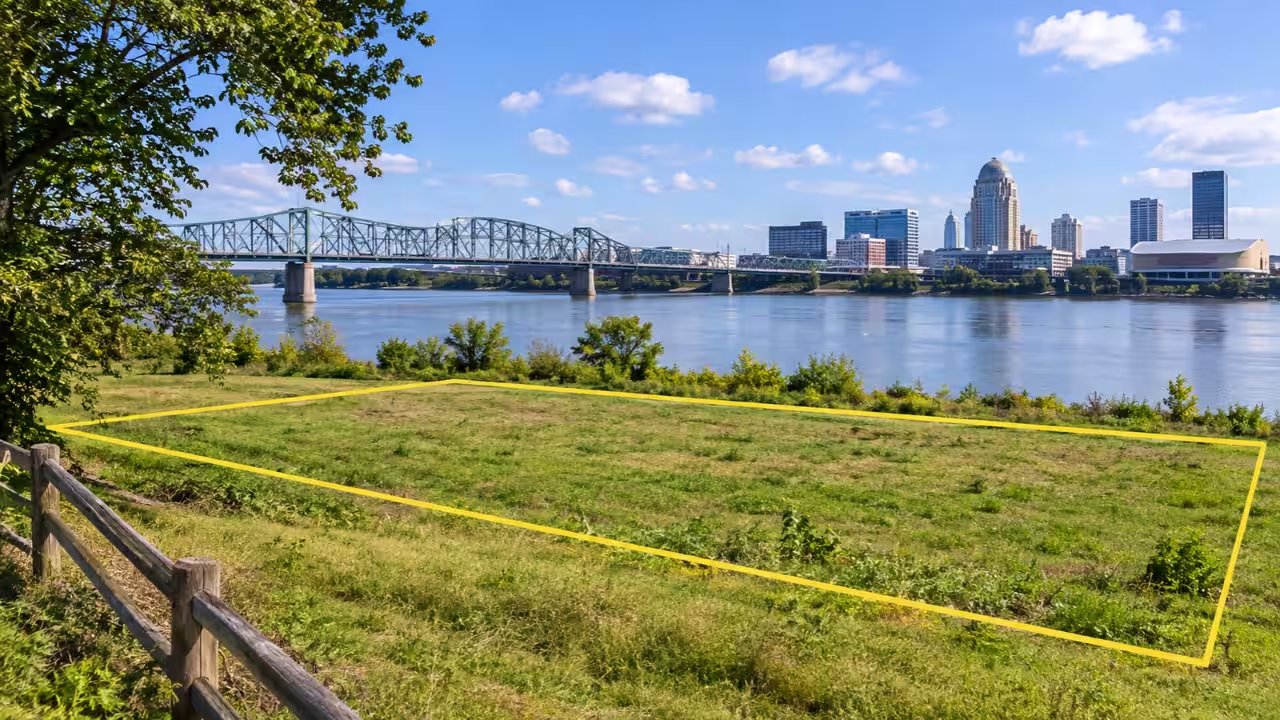
Lampton Securities Partnership lost its bid to recover $800,000 for a two-acre Ohio Riverfront tract in Jefferson County, Kentucky, after the state’s appellate court ruled on October 30, 2026, that the company’s lawsuit was procedurally defective. The court affirmed a Jefferson Circuit Court summary judgment in favor of the Louisville-Jefferson County Metro Government and the Metropolitan Sewer District (MSD), rejecting the partnership’s claim that floodplain regulations effectively took its property without compensation.
The dispute traces back to 1998 when Lampton purchased the land for $800,000, just one year after Louisville enacted strict floodplain ordinances following catastrophic flooding. The regulations restricted construction within the river’s conveyance zone, where the two-acre plot sits. While Lampton argued the rules stripped the land of all economically beneficial use, the court noted the partnership never applied for a variance through the MSD’s Floodplain Board.
Instead of navigating the administrative process, Lampton filed an inverse condemnation suit in May 2020, alleging a regulatory taking. The appellate panel found this strategy fatal. A regulatory taking claim is not ripe for judicial review until the government has made a final decision on how the property can be used. Lampton possessed no such final decision; an informal opinion from MSD staff counsel did not constitute an official determination.
The court also dismissed Lampton’s argument that seeking a variance would have been futile. The Floodplain Board retained the authority to grant exceptions, and property owners are generally required to exhaust these reasonable administrative procedures before claiming their economic value has been extinguished. The ruling underscores a critical risk for developers in regulated zones: buying property without verifying development feasibility can leave owners holding the bag when restrictions bite.
With the appeal dismissed, Lampton has no further recourse in this specific action. The Kentucky Court of Appeals’ decision stands as a cautionary precedent for investors along the Ohio River, confirming that administrative compliance is a prerequisite for seeking judicial compensation against local zoning and floodplain controls.