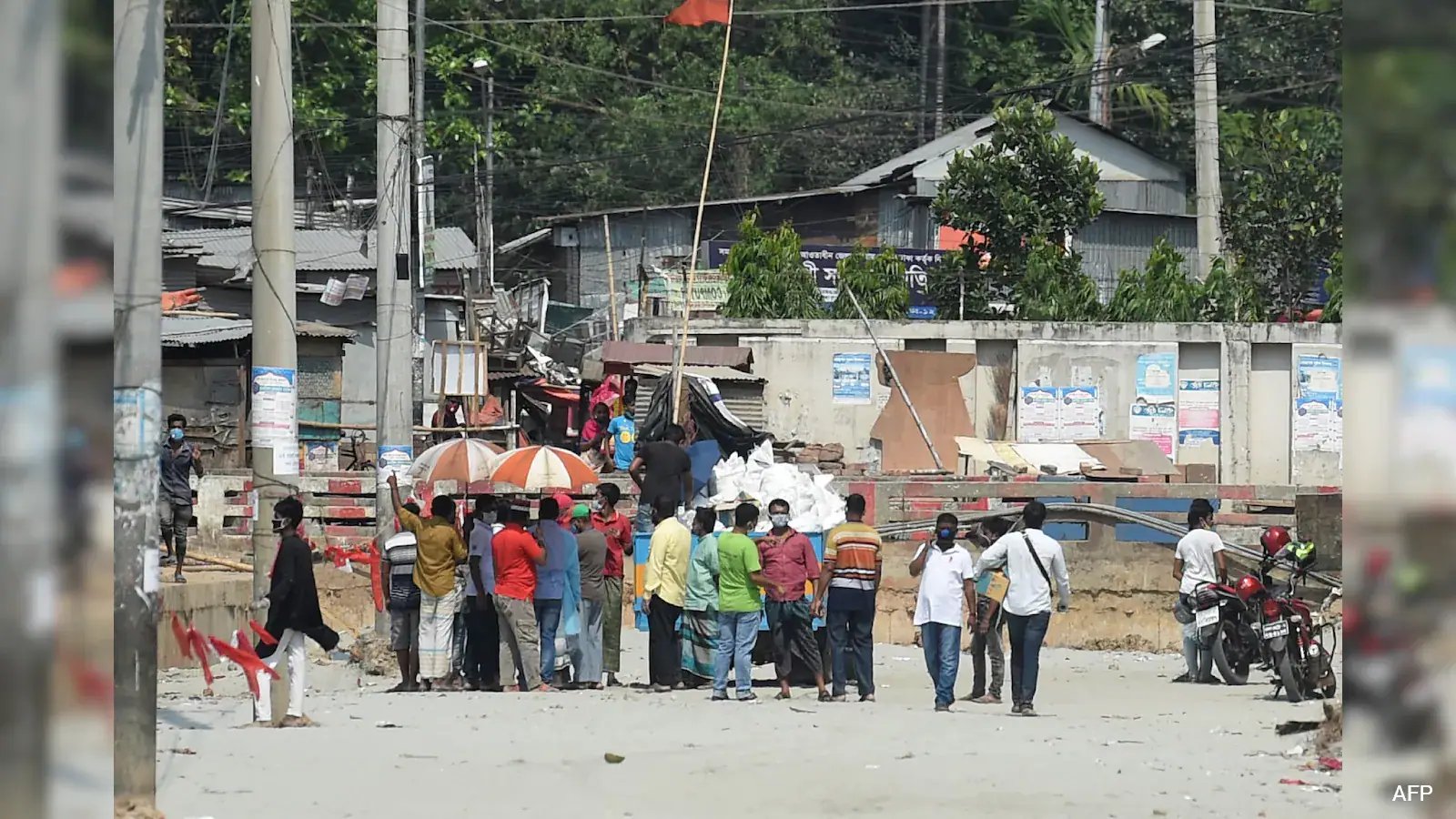
They prowl the narrow mud alleys carrying two mobile phones each. At least 150 Chinese nationals have set up coordinated livestream operations across Dhaka's poorest settlements, filming local families and telling viewers on mainland digital platforms that they are broadcasting live from New Delhi. The deception is deliberate. Armed with ring lights and tripods, the vloggers stream for hours from Tekpara and Uttara's Sector 12, pumping out derogatory narratives about Indian living standards while standing on Bangladeshi soil.
The operation relies on a dual-screen setup—one device broadcasts video to domestic platforms such as Douyin and WeChat, while the other feeds scripts and manages audience tips. During a broadcast on November 1, a streamer identified as Mianmian, who claimed origins in China's Sichuan province, panned her camera across a canal in Sector 12. "This is New Delhi," she told tens of thousands of viewers. "Their homes are filthy. There isn't even a fan inside the tin-roofed houses."
The slurs escalated along the canal banks. In another broadcast, a streamer identified as Wang Wei filmed an open-air tea stall in Tekpara, ridiculing patrons drinking spiced tea. He told his audience the stall was serving "cow urine tea" mixed with contaminated river runoff. Yet the broadcasts are not entirely derision—they are also commercial showcases. Another vlogger, Li Yang, spent an afternoon highlighting Chinese-manufactured air conditioning units bolted to brick tenements, offering cash bounties to viewers who could correctly identify the brands.
Local fixers drive the entire enterprise. Ritu Akhter, a Tekpara resident who works as a guide for incoming foreign crews, confirmed she earns between Tk 700 and Tk 800 a day escorting Chinese nationals through low-income lanes. Several other neighbourhood women draw identical wages. Akhter revealed that the visitors target impoverished settlements specifically to maximize sensationalism and extract viewer donations on Chinese payment gateways. Confronted in the alleys on November 3, one streamer identified as Fangyou claimed the broadcasts were merely "product promotion activities." He refused to explain why product marketing required six-hour broadcasts from open sewers.
And the local community has reached its breaking point. Filming has spilled out of public roads and straight through private doorways without permission. "Sometimes they enter our homes and start filming," said Rozina Khatun, a local resident. "We are not always properly dressed inside our houses. Imagine how it feels when someone suddenly walks into your home and starts recording." Another resident, Papia Begum, caught foreign streamers broadcasting inside private residential bathrooms, only for the operators to smile, mutter apologies, and return hours later. Local police acknowledge the ongoing activity as community elders demand immediate monitoring of foreign nationals operating commercial broadcasts without media accreditation.