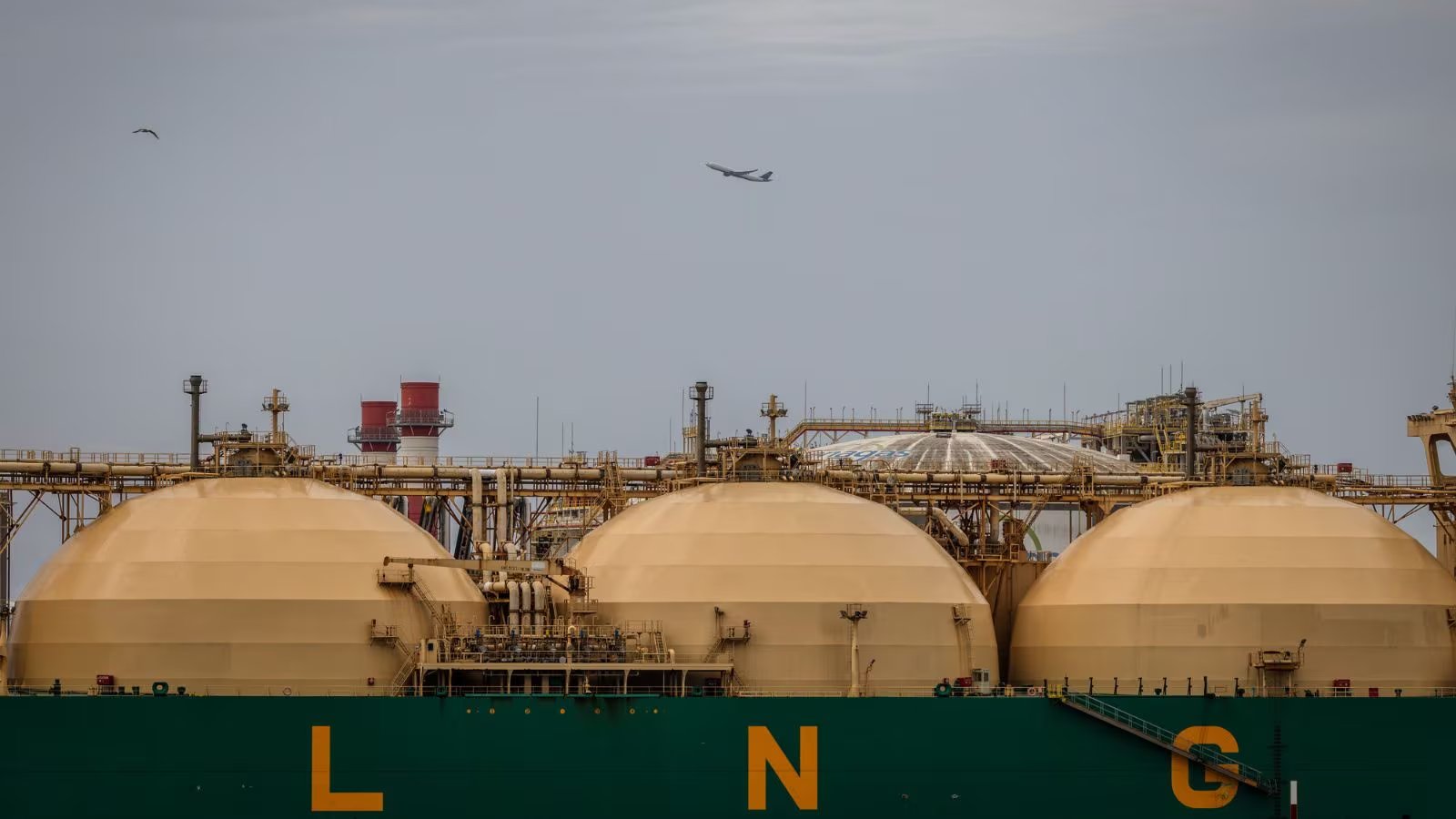
Poland’s largest energy group Orlen terminated one of its two cornerstone liquefied natural gas supply contracts with QatarEnergy on Tuesday after months of missed cargoes and unresolved force majeure declarations. The canceled deal covered 1 million metric tons of LNG annually through 2034. It marks the first verified cancellation of a long-term supply agreement with the Doha-based exporter since wartime disruptions paralyzed shipments out of the Persian Gulf.
The contract will officially lapse in 60 days. Qatar’s reputation as an unshakeable base-load supplier took an unprecedented hit.
QatarEnergy declared force majeure in March after Iranian drone strikes battered liquefaction infrastructure at Ras Laffan and naval threats choked off commercial tanker traffic through the Strait of Hormuz. Orlen had expected deliveries to resume by mid-November following a months-long cargo halt. Those shipments never materialized. Facing frozen supply lines, the Warsaw-listed refiner pulled the plug.
Underneath the logistics crisis lies a glaring pricing imbalance. Orlen signed the original sales-and-purchase agreement in 2009 under legacy pricing architecture tied directly to crude oil—a formula market desks estimate at roughly 16% of Brent. With crude elevated, that formula saddled European buyers with uncompetitive feedstock.
US export contracts tell a radically different story. Long-term liftings from Gulf Coast terminals trade at approximately $6 to $7 per million British thermal units. That is less than half the landed cost of the legacy Qatari formula.
| Contract Parameter | Terminated QatarEnergy Deal | Retained QatarEnergy Deal | Active US Supply (Venture Global) |
|---|---|---|---|
| Annual Volume | 1.0 Million Metric Tons | Up to 1.0 Million Metric Tons | Long-term off-take agreement |
| Contract Expiration | 2034 (Terminated early) | 2034 | Multi-year commercial operation |
| Pricing Benchmark | Oil-linked (~16% of Brent) | Gas market hub benchmarks | Henry Hub + liquefaction fee ($6–$7/mmBtu) |
| Supply Origin | Ras Laffan, Qatar | Ras Laffan, Qatar | Plaquemines, Louisiana (Phase 1) |
| Contract Status |
Market Context: Qatar has historically defended long-term oil-linked contracts to safeguard state revenues and secure multi-billion-dollar field expansion capital. Orlen's walkaway sets an uncomfortable precedent for Middle Eastern sellers as legacy off-takers weigh force majeure clauses against ballooning market spreads.
Orlen moved swiftly to reassure domestic industry that European storage levels and balance sheets will absorb the break cleanly.
The decision to terminate the Agreement does not affect the security of gas supplies. Gas production from the Company's own fields, together with its long-term gas supply agreements, ensures full coverage of Orlen Group's gas requirements," according to a statement issued by the company.
Capital did not scramble. Orlen built substantial pipeline buffers on the Norwegian continental shelf and locked down diversified flexible volumes out of North America. Earlier this month, Venture Global shipped inaugural commercial cargoes from Phase 1 of its Plaquemines export facility in Louisiana, where Orlen holds primary customer liftings.
Yet Warsaw is not severing ties with Doha entirely. Orlen confirmed it will continue to take delivery under its second long-term QatarEnergy contract. That agreement also covers up to 1 million metric tons per year through 2034. Crucially, its price structure tethers to competitive European gas market benchmarks rather than Brent barrels, insulating the Polish refiner from crude price spikes.
QatarEnergy did not immediately return requests for comment outside regular business hours. Attention now shifts to European trading desks as counterparties watch whether Asian and Mediterranean utilities attempt similar legal exits on impaired Persian Gulf volumes over the coming quarter.
| 60-day notice served |
| Active and operational |
| Commercial deliveries underway |