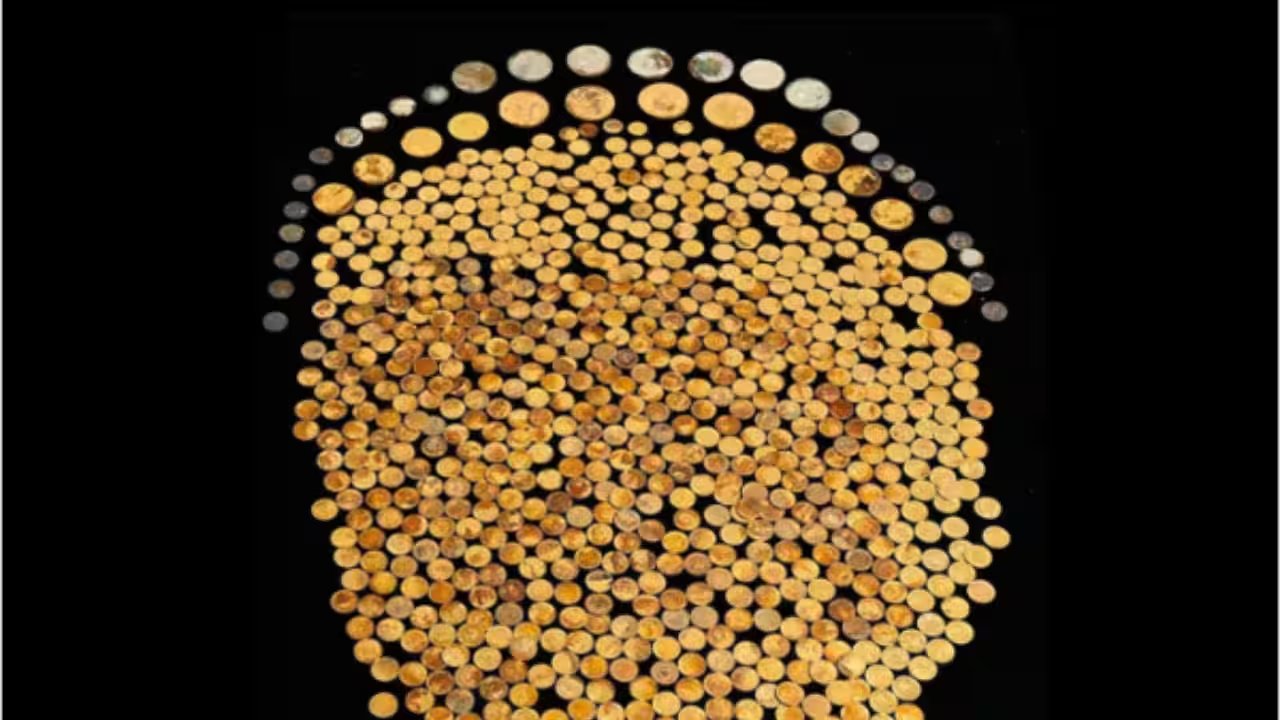
The dig started with a single 1856 Seated Liberty half dollar, a glint in the dirt that signaled something larger. Within an hour, the farmer had turned over clumps of earth to reveal more than 700 gold coins and dozens of silver pieces. He described the moment he pulled out an 1860s $20 Double Eagle as a dream made real, realizing the scale of the discovery almost immediately.
The collection, now dubbed the "Great Kentucky Hoard," passed through the hands of the Numismatic Guaranty Company (NGC) for authentication. Jeff Garrett, a coin expert from Mid-America Rare Coin Galleries, called the find a career-defining moment. The hoard contained 18 1863-P $20 Gold Liberty Double Eagles, a rarity because the US Mint produced only 3,607 of these coins during the Civil War.
Historical context points to the summer of 1863 as the likely burial date. Confederate General John Hunt Morgan’s raids through Kentucky, Ohio, and Indiana forced wealthy landowners to hide their assets. Many of these hoards were never recovered, buried by war and time. The Smithsonian Institution notes that such actions were common survival strategies for farmers and landowners during the conflict.
The farmer kept his identity and the farm’s location private to avoid trespassers. The coins were sold privately through GovMint, generating over $3 million for the finder. Each piece carried a label certifying it as part of the Great Kentucky Hoard. The sale closed the chapter on a mystery that had lingered in the soil for over 160 years.