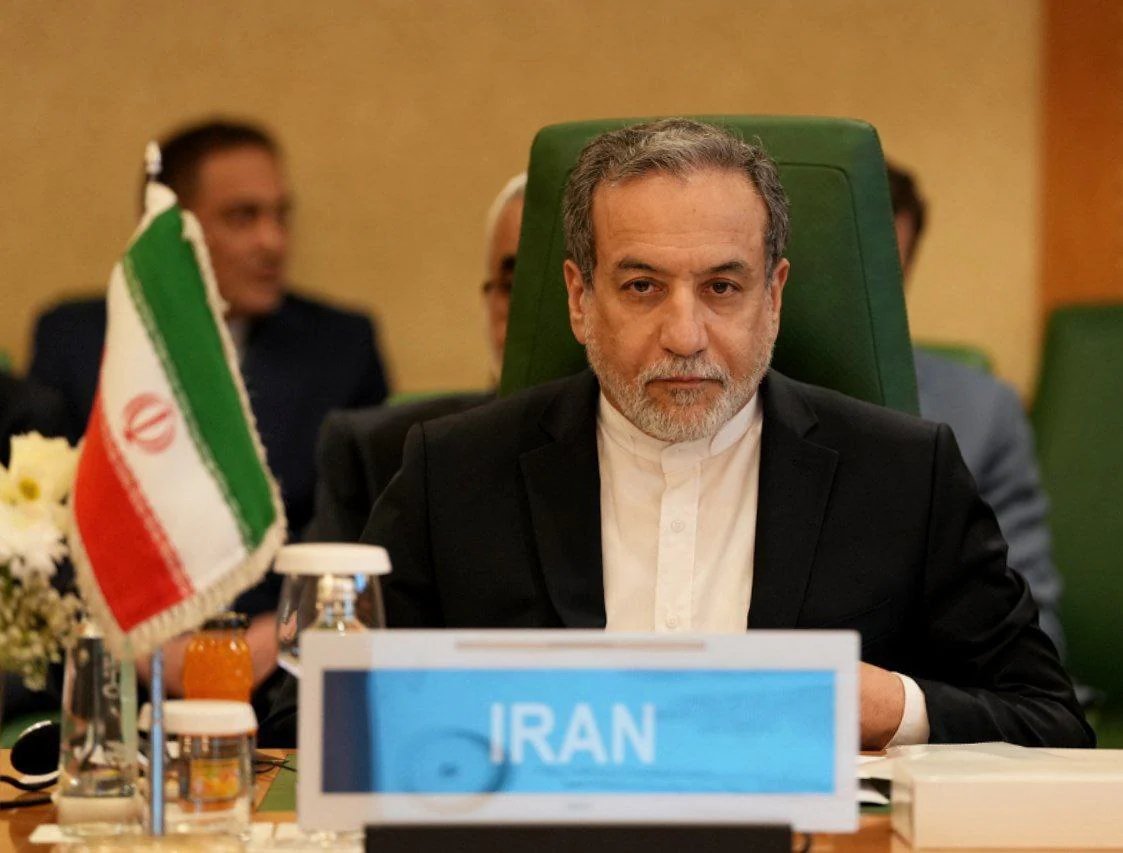
Araghchi met Qatari mediators in New York on Monday, pressing the United States to respond to Tehran's conditions for reopening the Strait of Hormuz. He reiterated Iran's demand for a seven‑day ceasefire across the Middle East, the unfreezing of Iranian assets, lifting sanctions on its oil sector, and an end to the U.S. naval blockade. Trump had publicly rejected Iran's proposal on Saturday, but said he expected talks to resume in the coming days, according to a report from Axios on Sunday. Iran's delegation, which is headed back to Tehran Tuesday, said it would wait for a formal U.S. reply before deciding its next steps. The Strait of Hormuz, which carries roughly 25% of the world's oil, has been closed by Iran since the war began, forcing shipping companies like Maersk to reroute their vessels—an ordeal that left a family of fishermen in Bandar Abbas without a steady income. Iran now hopes the United Nations General Assembly next week will provide a platform for further indirect talks, while Washington is preparing a formal response.