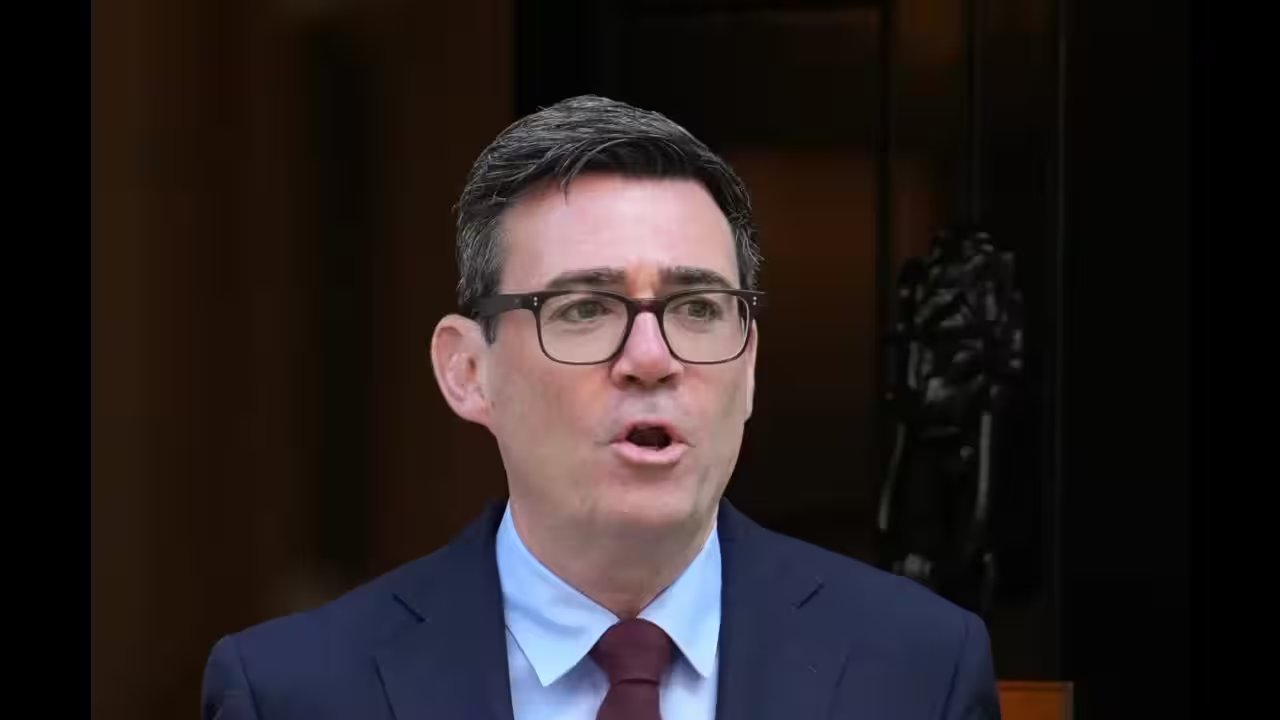
Andy Burnham killed the speculation dead on arrival. Speaking to BBC regional political editors ahead of the Labour Party conference in Liverpool, the Prime Minister explicitly rejected the idea of an early general election. "No, not particularly. No, I’m not," he said, shutting down reports that advisers were floating a poll as early as next year.
The dismissal was blunt. When pressed on whether a vote might coincide with council elections in the East Midlands in May, Burnham offered a flat "No." He argued that launching a campaign now would be a "backward-looking process" that distracts from his core mandate: stabilizing the economy. "I’m focused on the job as prime minister, doing what I said I would do," he told reporters.
Burnham took power in July, replacing Sir Keir Starmer, and polling has since shown Labour’s standing improving. Yet Reform UK and the Conservatives remain competitive, keeping the political landscape volatile. Despite this momentum, Burnham insists that chasing a fresh mandate is the wrong move. He wants to deliver tangible relief on the cost of living and support for businesses, rather than arguing with opposition parties again.
The Prime Minister’s first Labour Party conference this weekend will test his resolve. Some party members expect to push for a snap poll to secure a stronger mandate for priorities beyond the 2024 manifesto. But Burnham is betting on delivery over debate. He wants voters to "feel a bit of hope in their lives again" through action, not another cycle of political theater.
For now, the calendar is fixed. The next general election must happen by August 2029. Until then, the government’s attention turns to the ledger, not the ballot box.