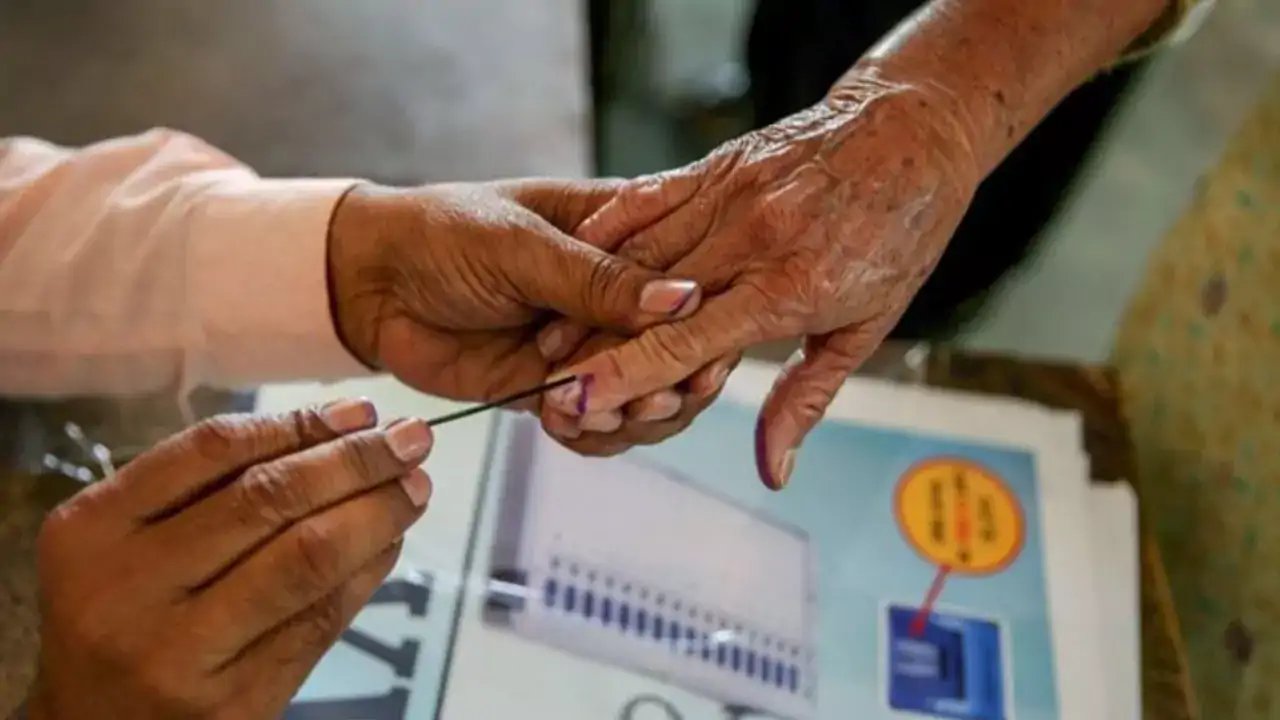
Chief Electoral Officer Rahul Sharma dropped the schedule on Friday, locking in November 21 as the day 38 voters in Leh and Kargil will choose their municipal representatives. It’s the first time these bodies will hold elections since 2018, the year Jammu and Kashmir reorganized and Ladakh was carved out as a separate union territory. The previous municipal committees have long since outlived their terms, leaving a governance vacuum that this poll aims to fill.
The logistical groundwork is already done. Electoral rolls for Leh’s 21 wards and Kargil’s 17 wards hit the public domain on Thursday. The qualifying date for registration was fixed at October 1. This means the list of eligible voters is now static. Any disputes over eligibility must be resolved within the strict confines of the Jammu and Kashmir Municipal Act, 2000, and the 2003 election rules.
The timeline moves fast from here. The official notification drops on October 29. Nominations close on November 5. Scrutiny happens the next day, November 6. Candidates get a final window until November 9 to withdraw or contest. Symbol allotment and the final candidate list publish on the same November 9 date. Then, the guns go silent for campaigning only to fire again for voting on November 21. The entire process concludes by November 30.
The Model Code of Conduct is already in force. It stays active until the last ballot is counted. Political parties, independent candidates, and local authorities face strict directives to adhere to the code. Violations won’t be ignored. The election machinery has been instructed to enforce the rules with zero tolerance for campaign excesses or administrative lapses.
For the residents of Leh and Kargil, this vote restores a direct line to local decision-making that has been absent for nearly a decade. The next milestone is October 29, when the formal notification is issued, marking the official start of the electoral clock.